Photo highlights from the 13th International Workshop – Get the Spirit!
Day 1
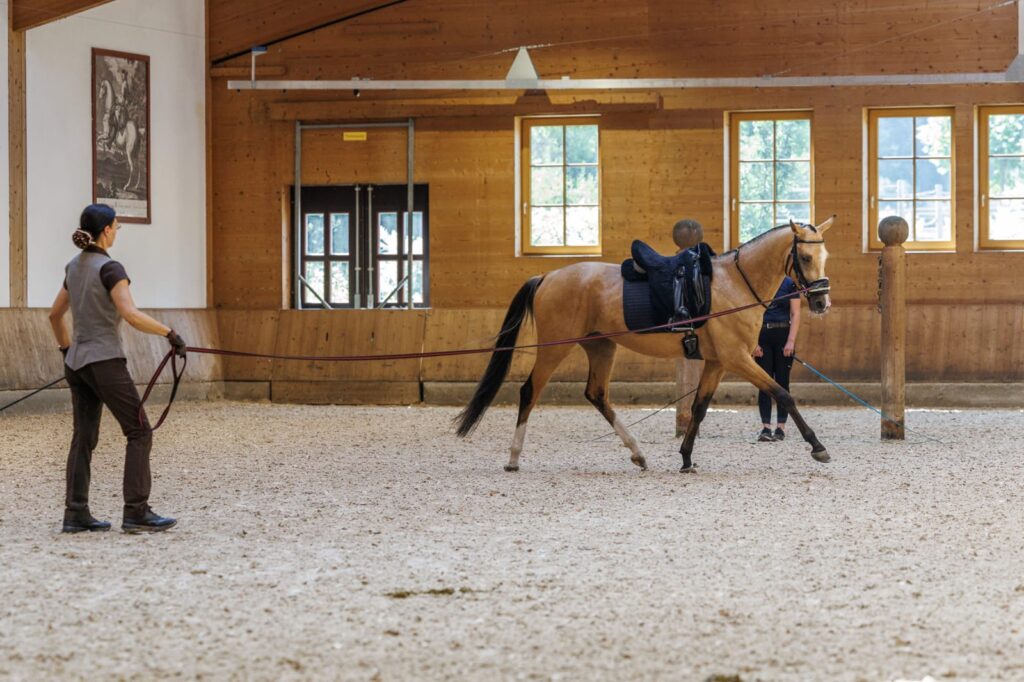
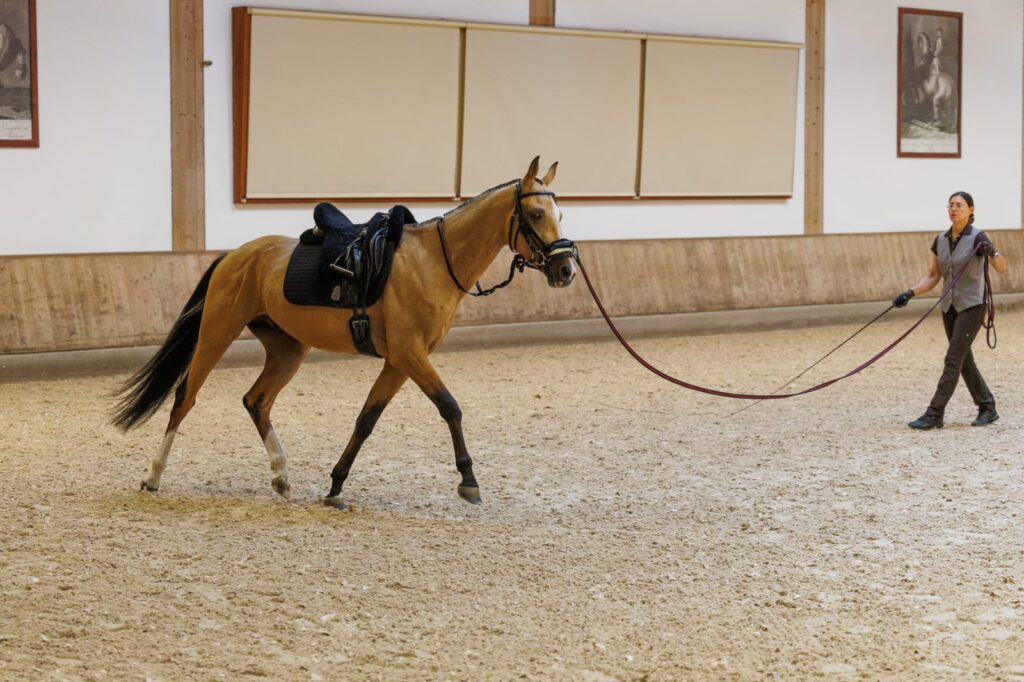
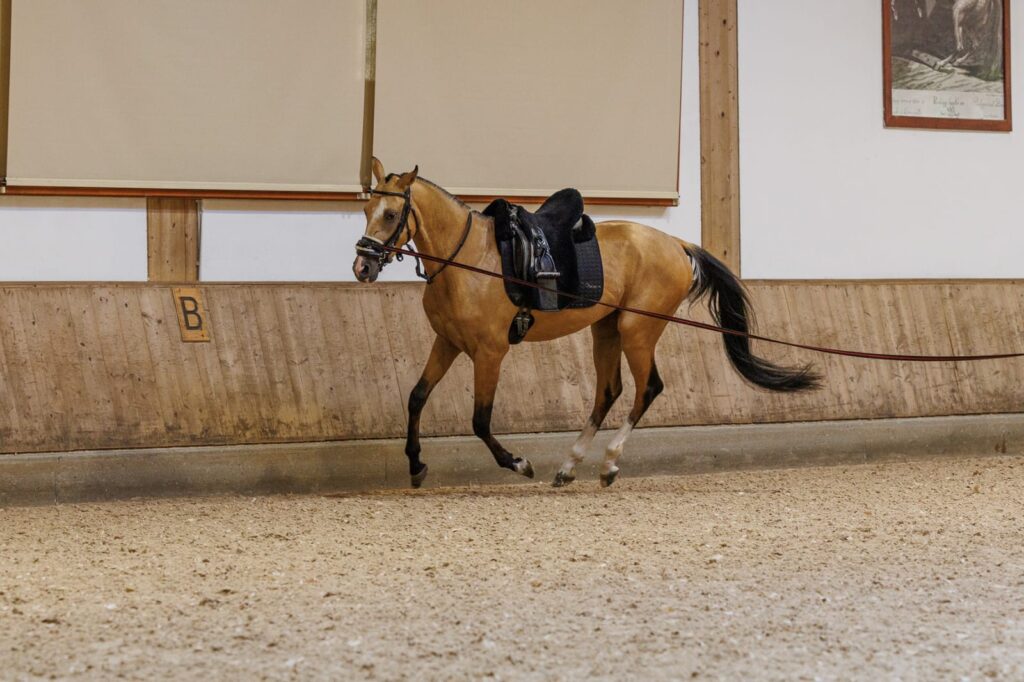
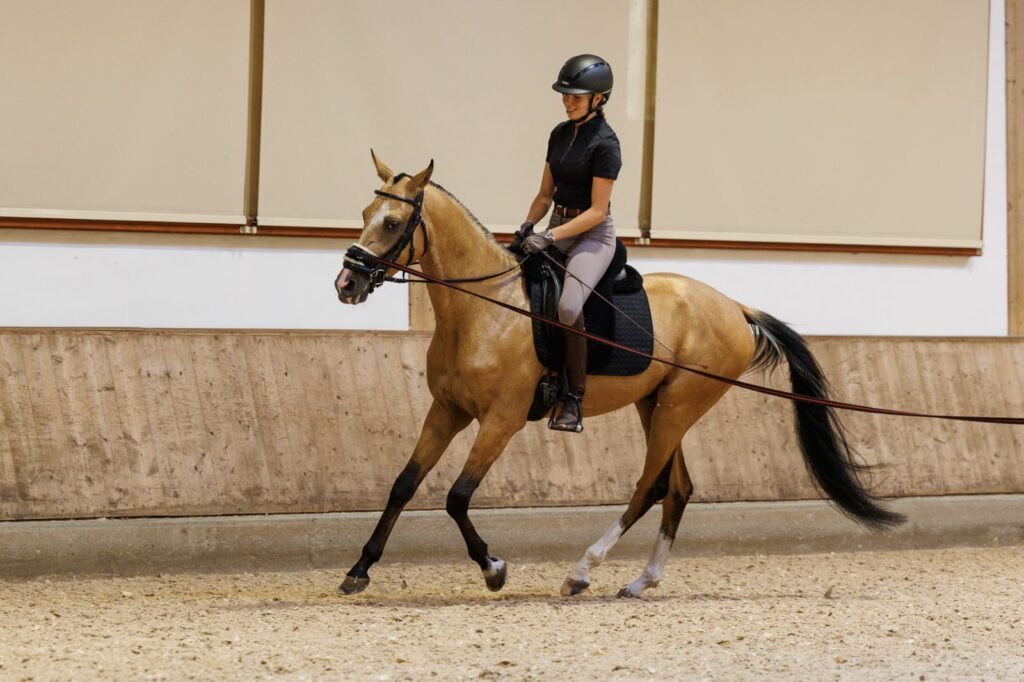
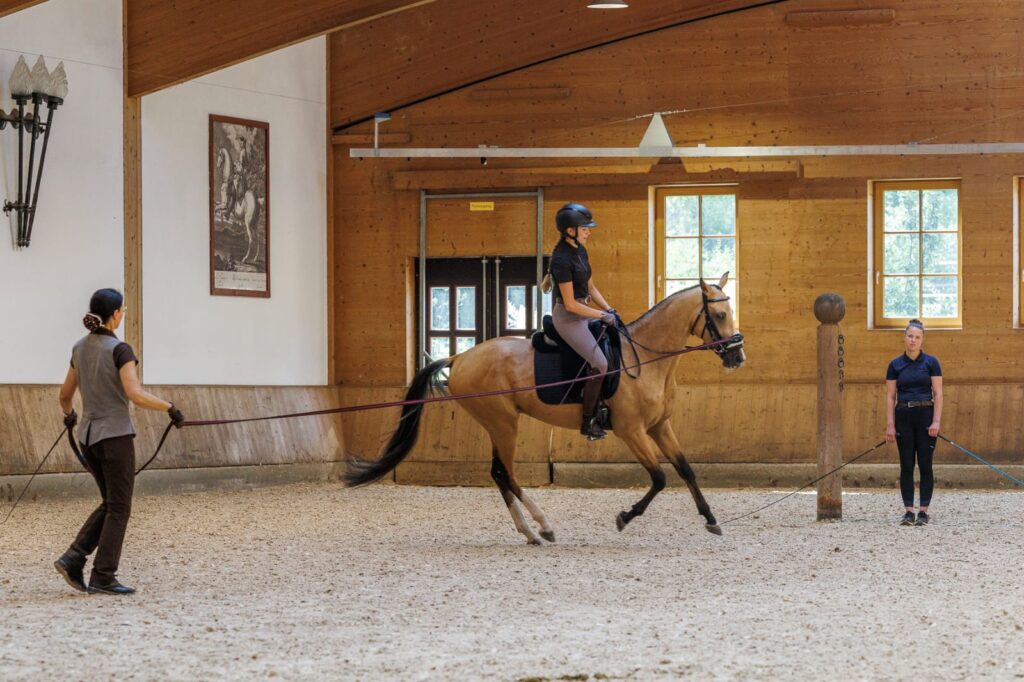
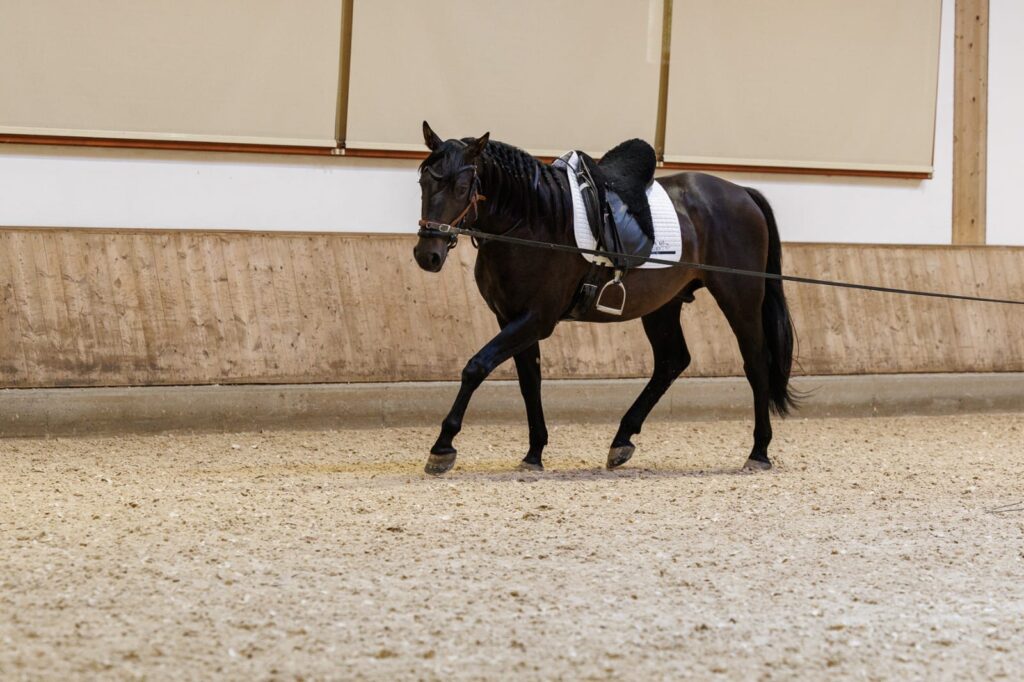
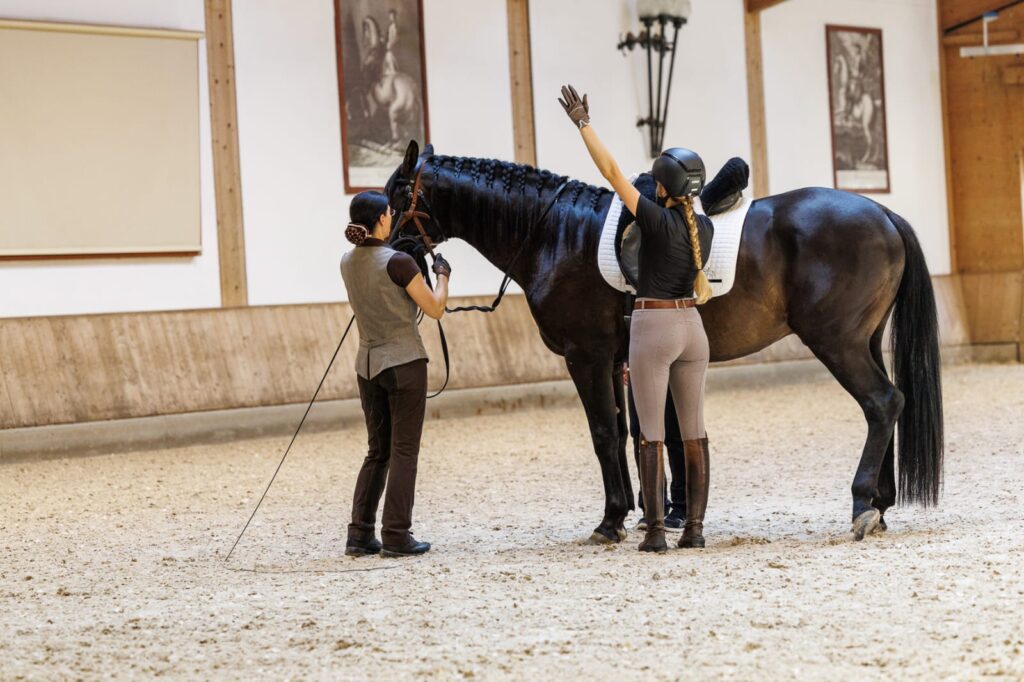
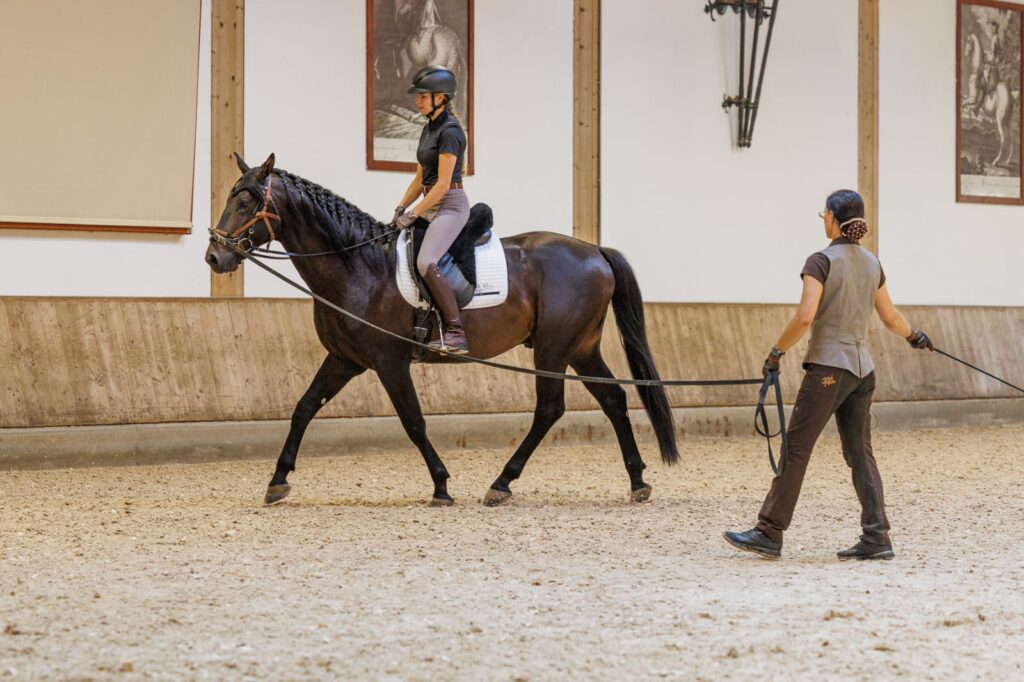
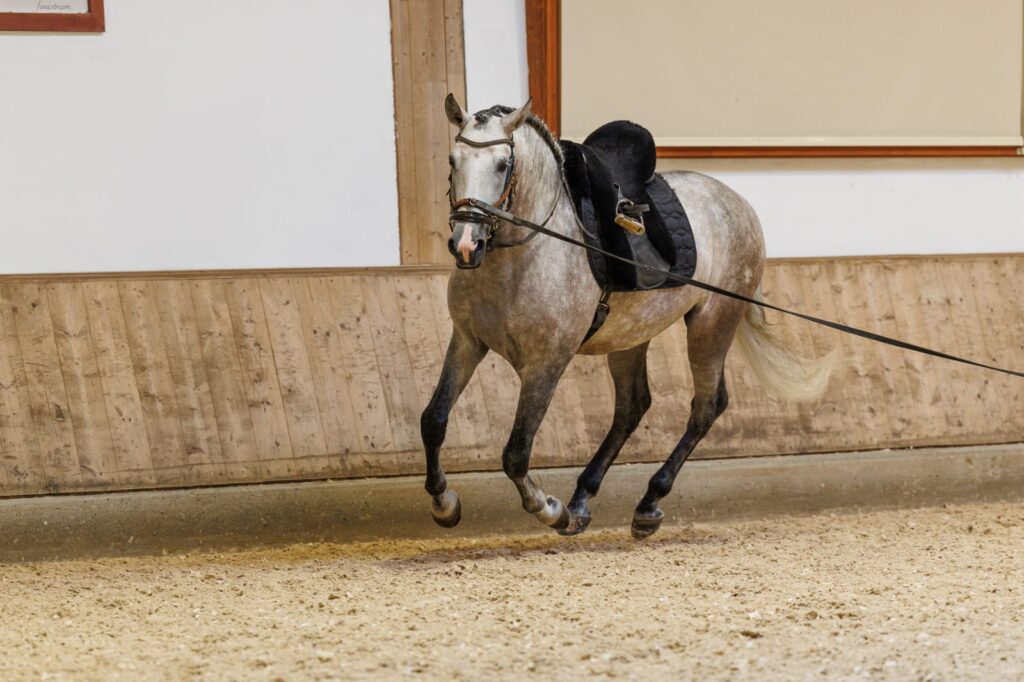
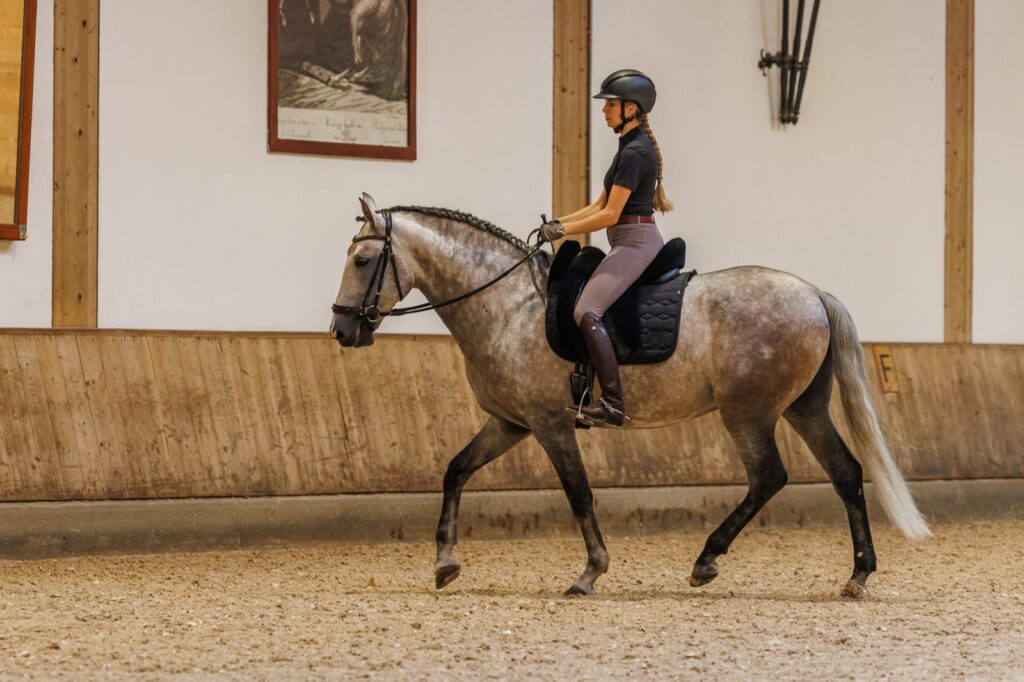
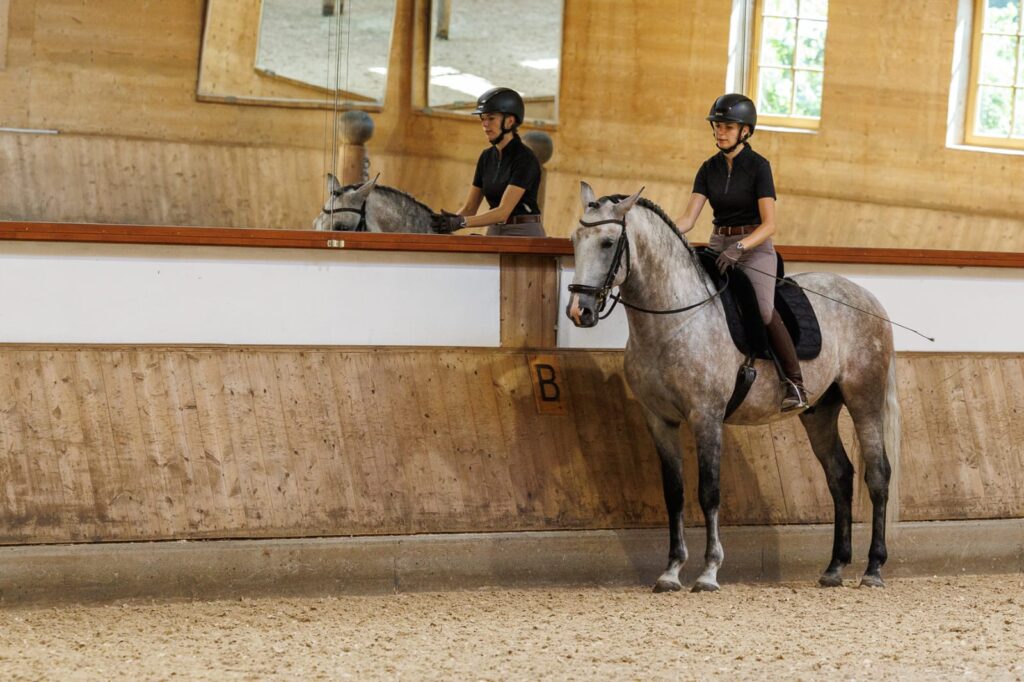
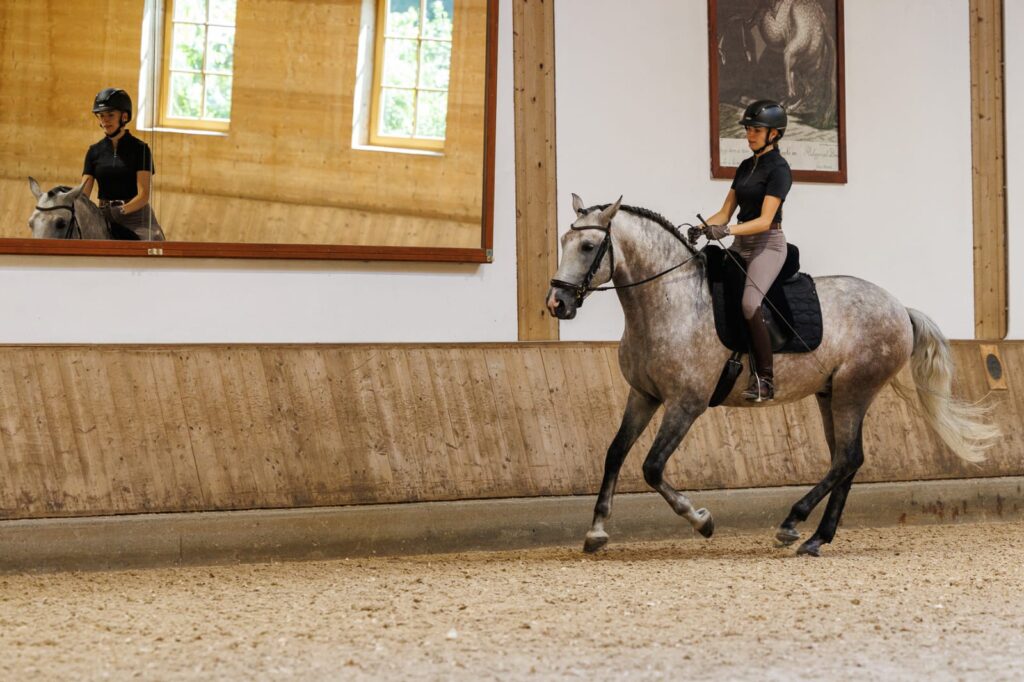
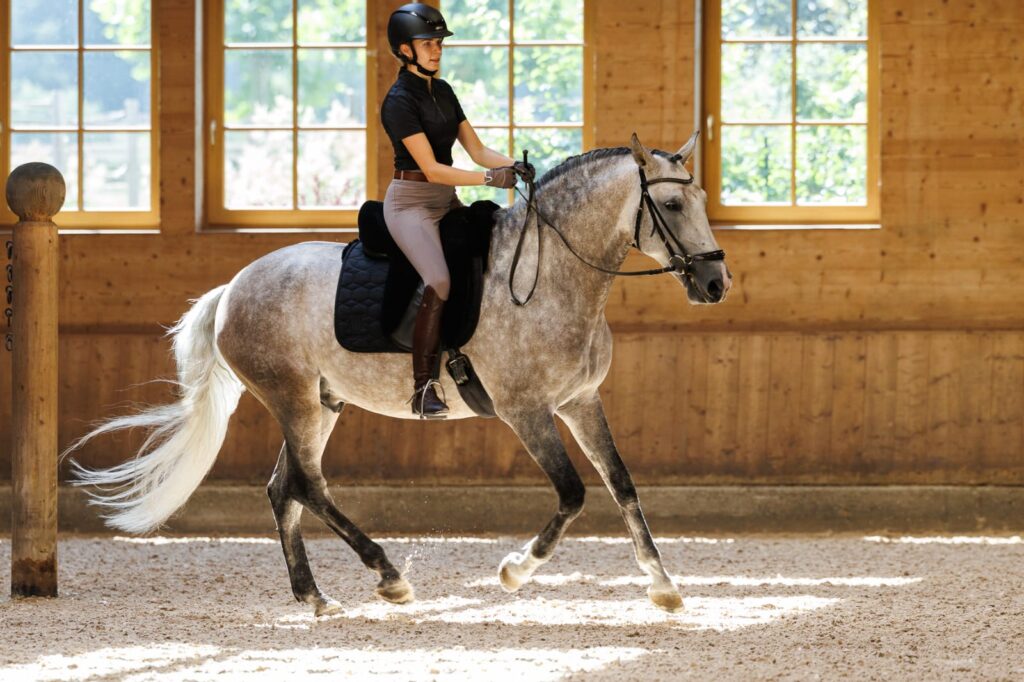
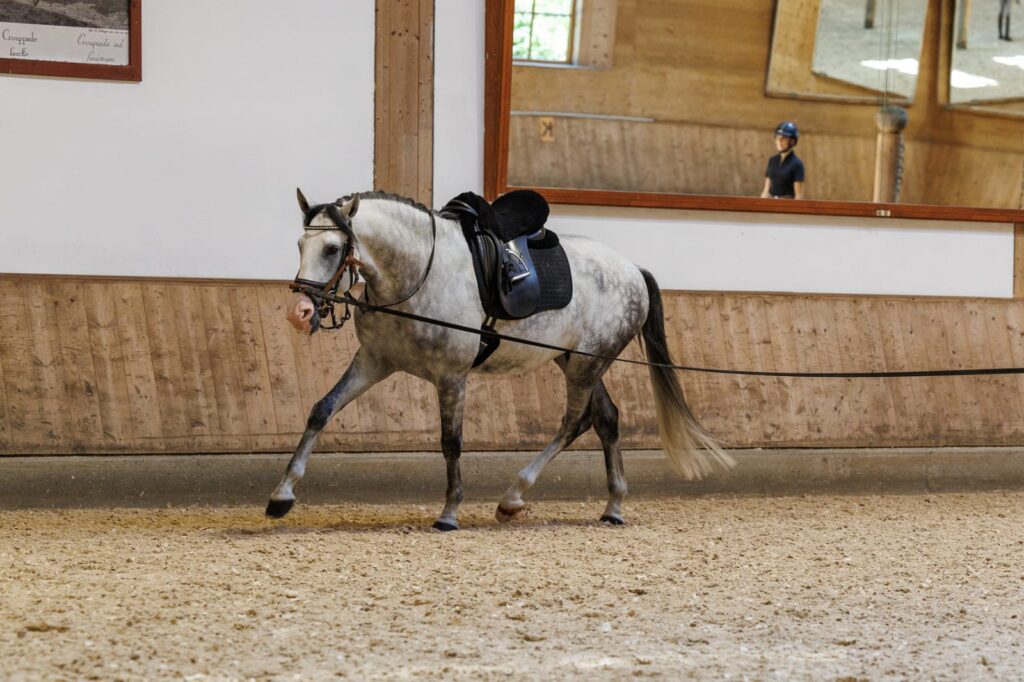
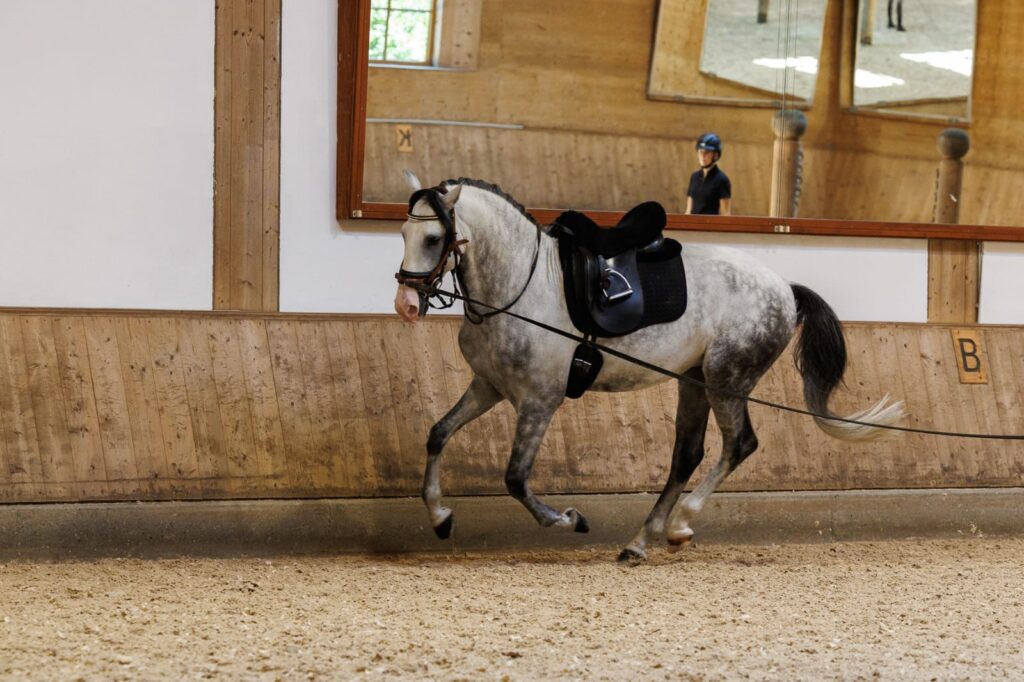
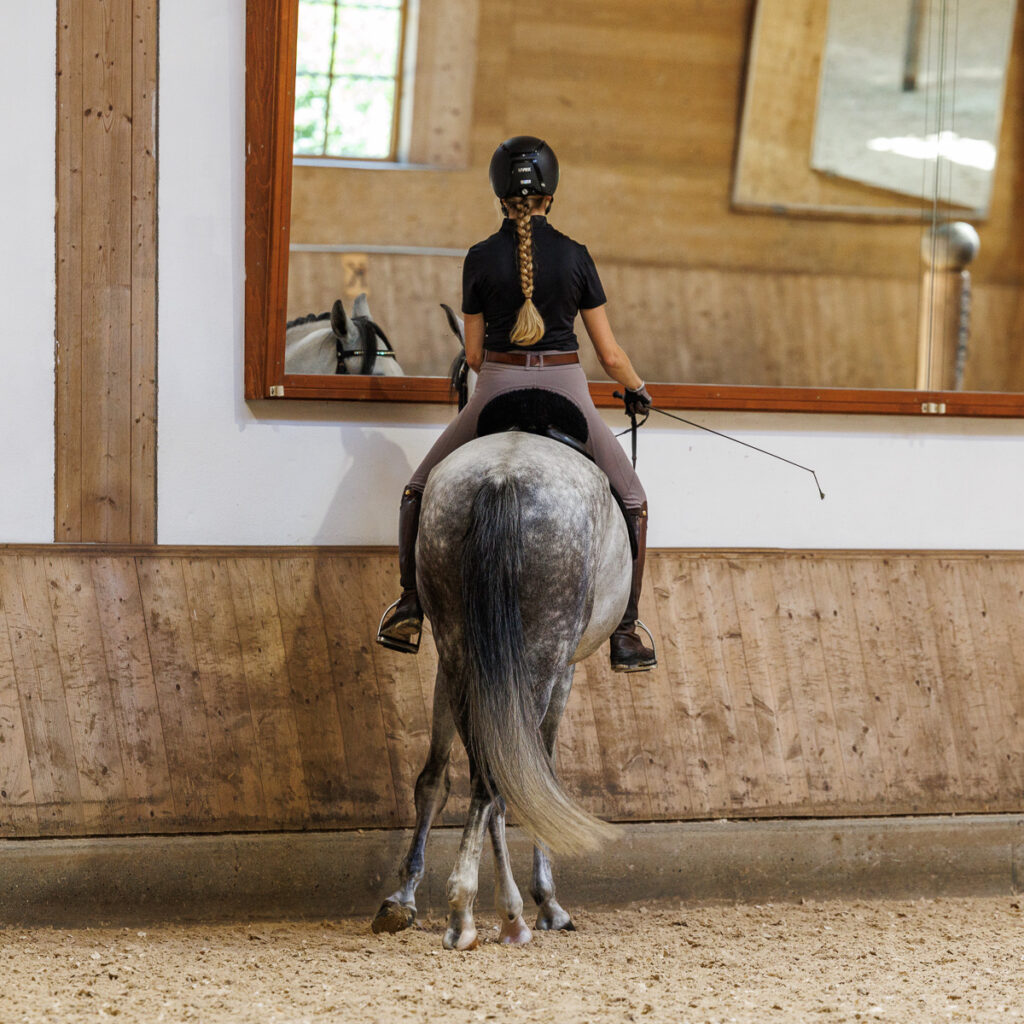
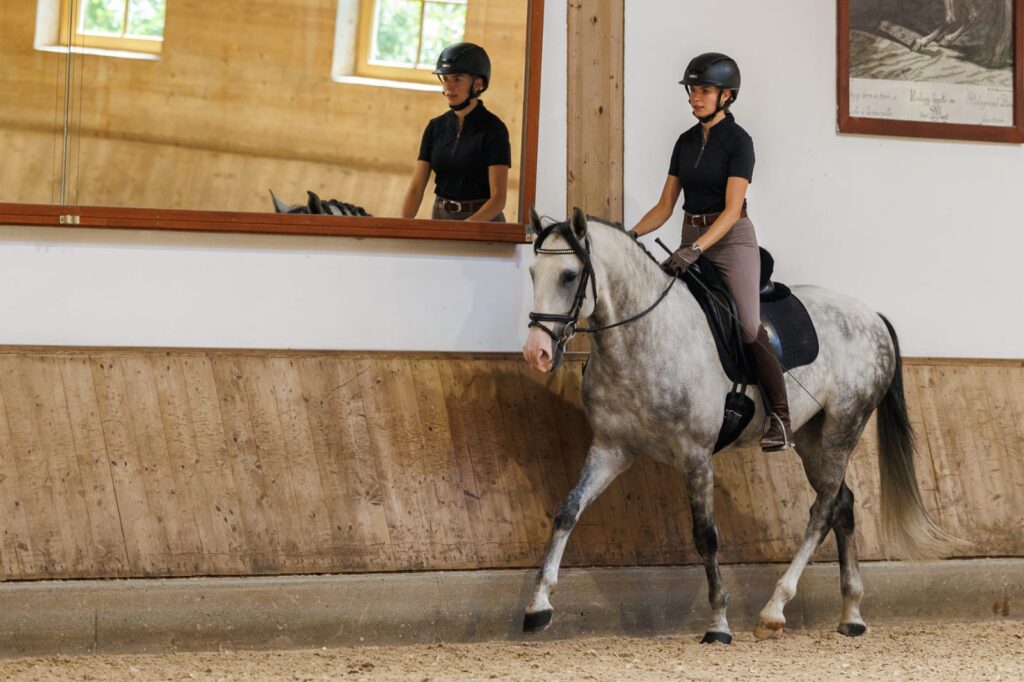
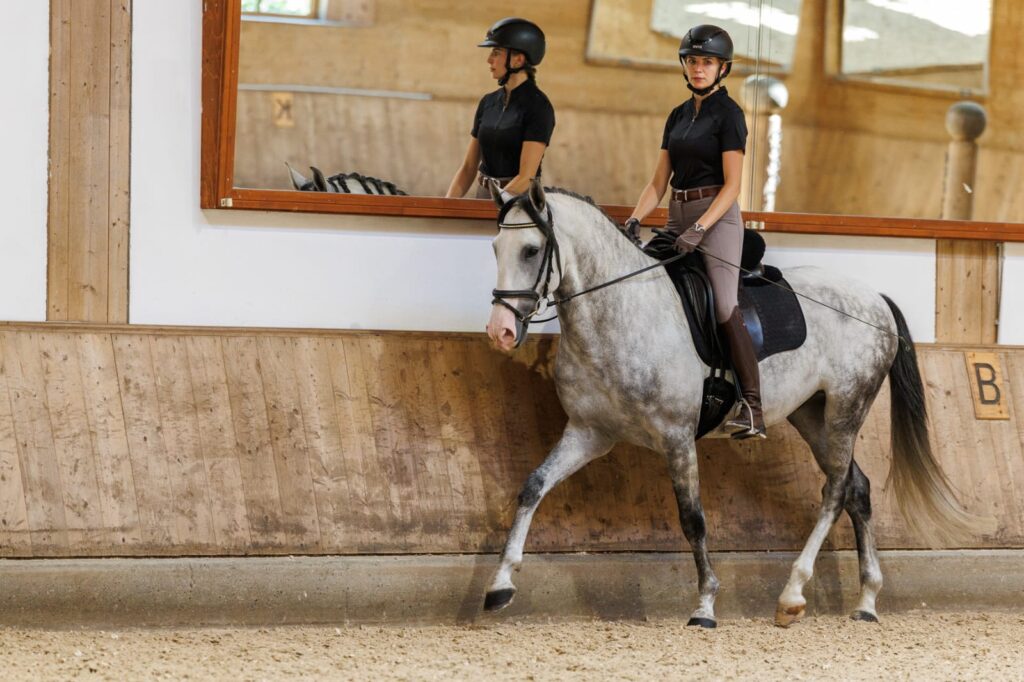
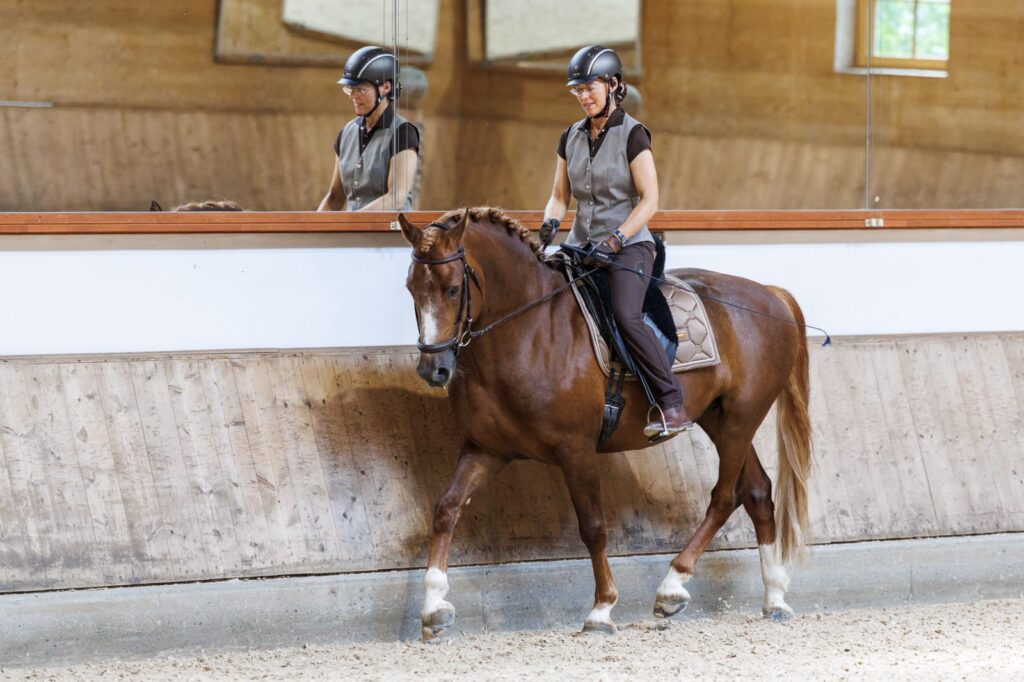
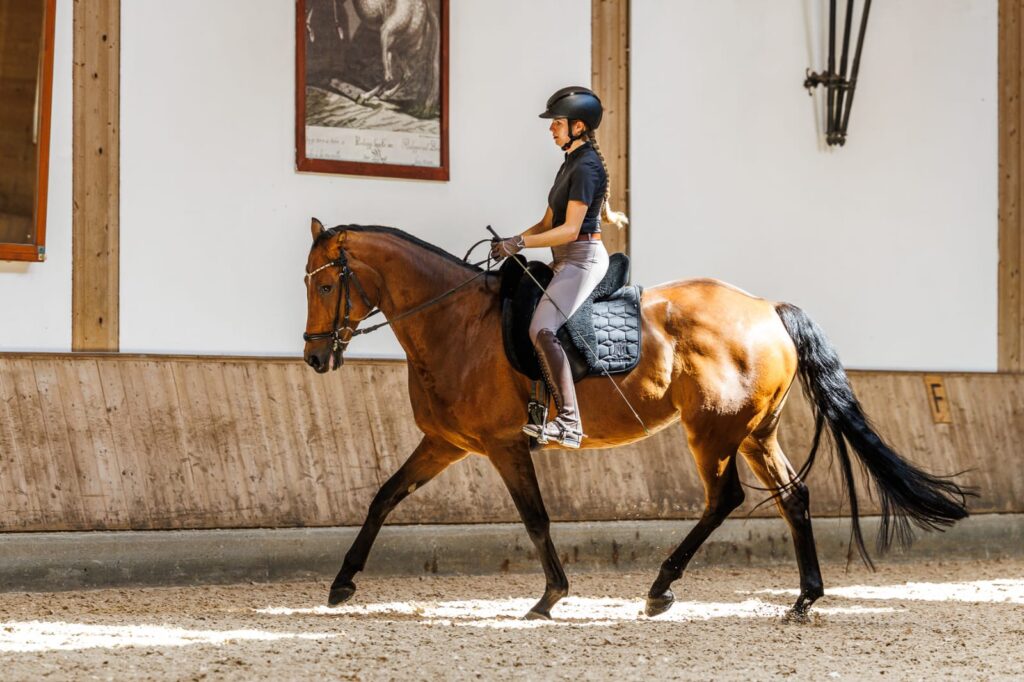
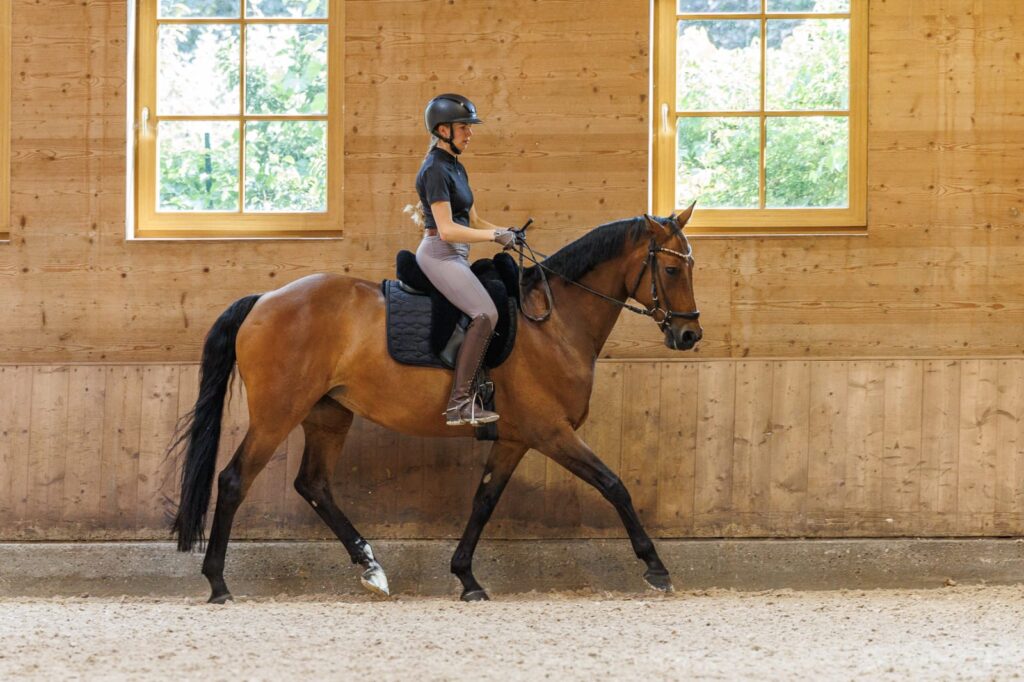
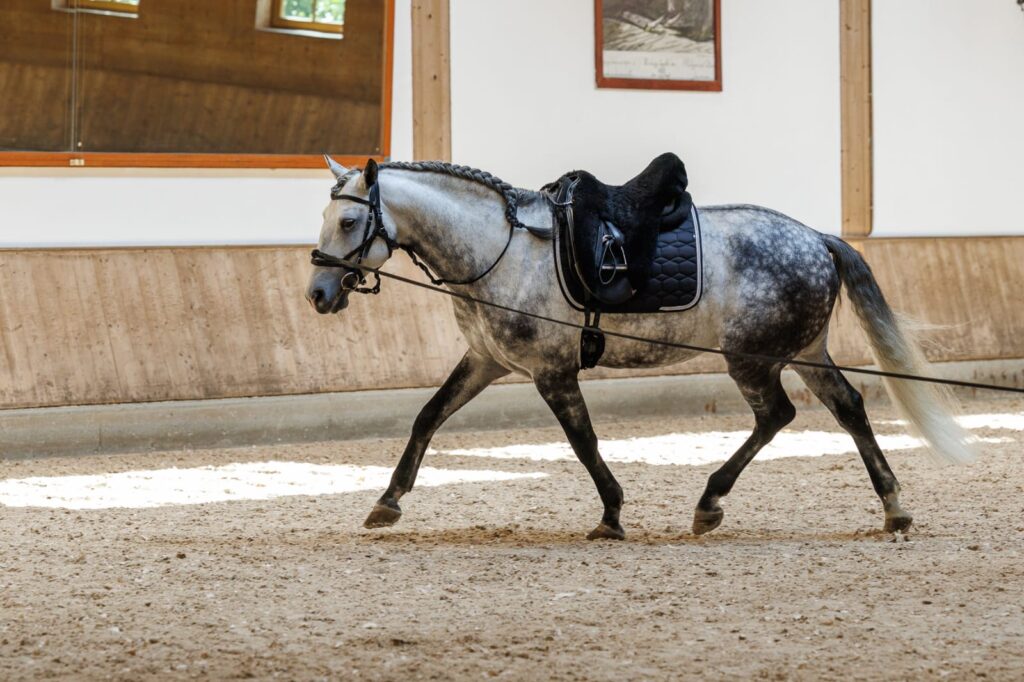
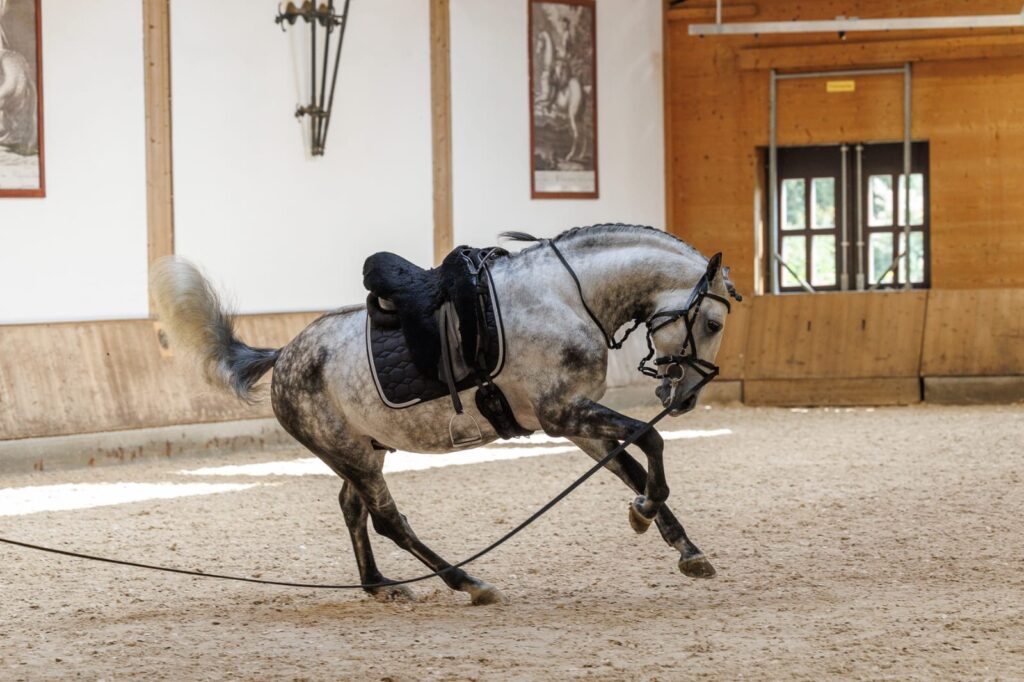
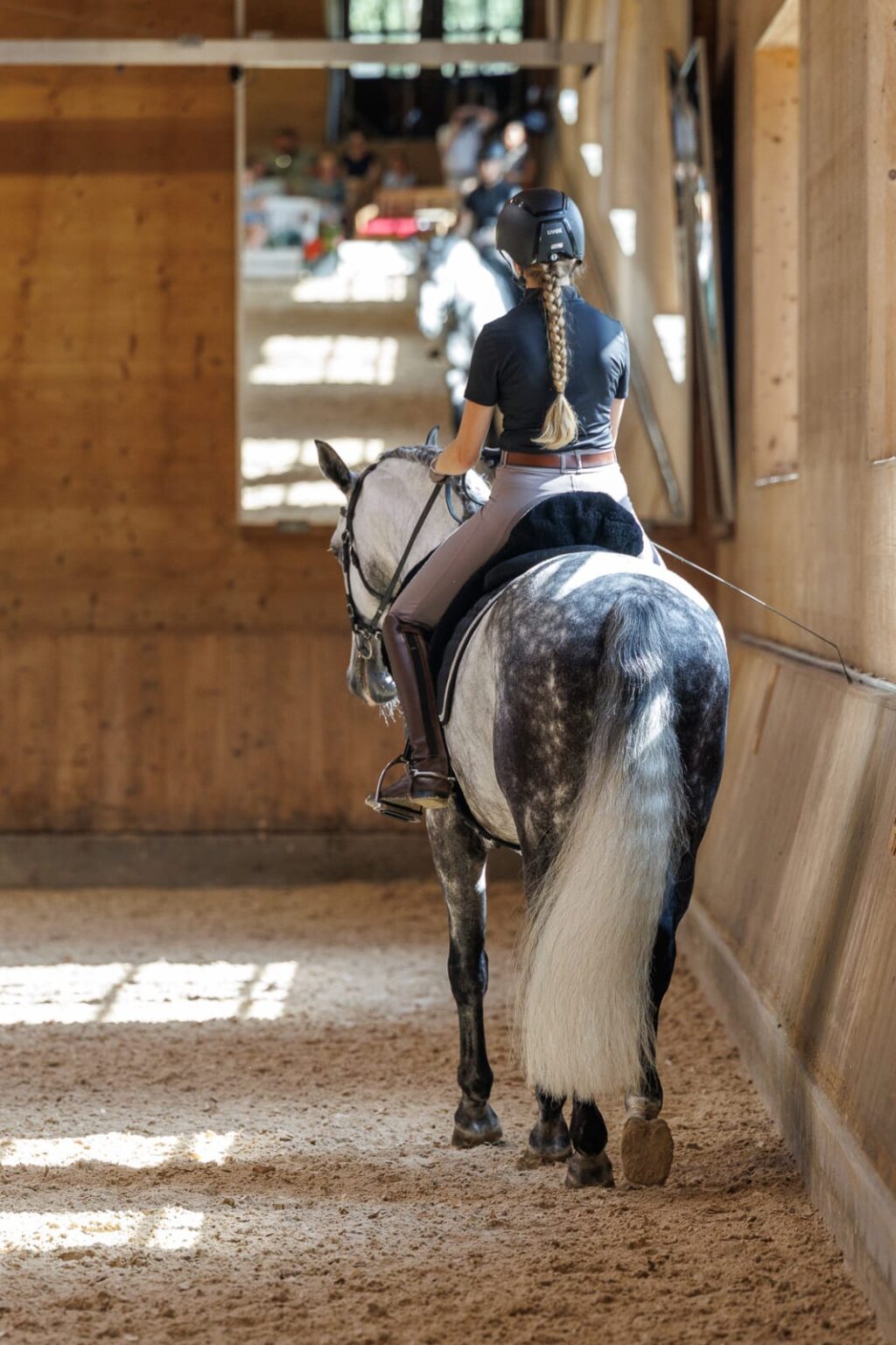
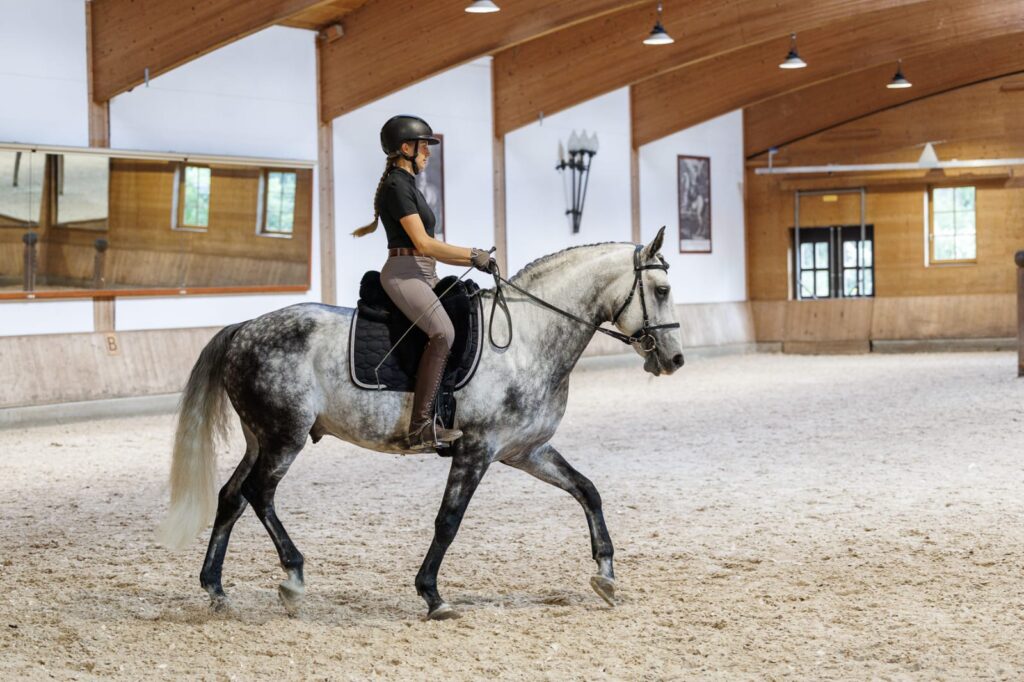
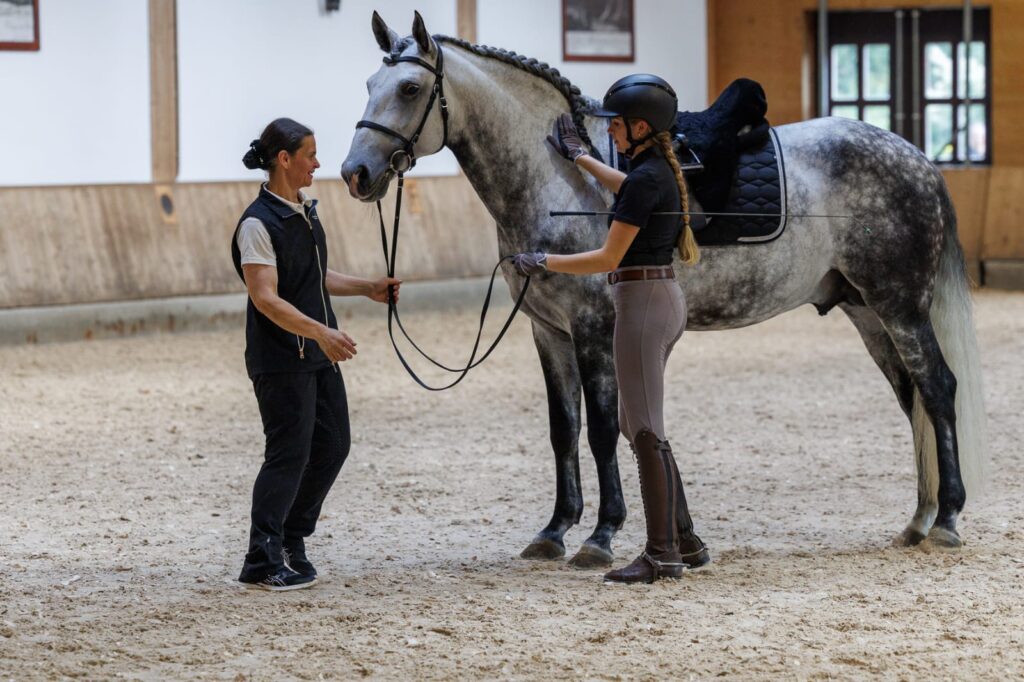
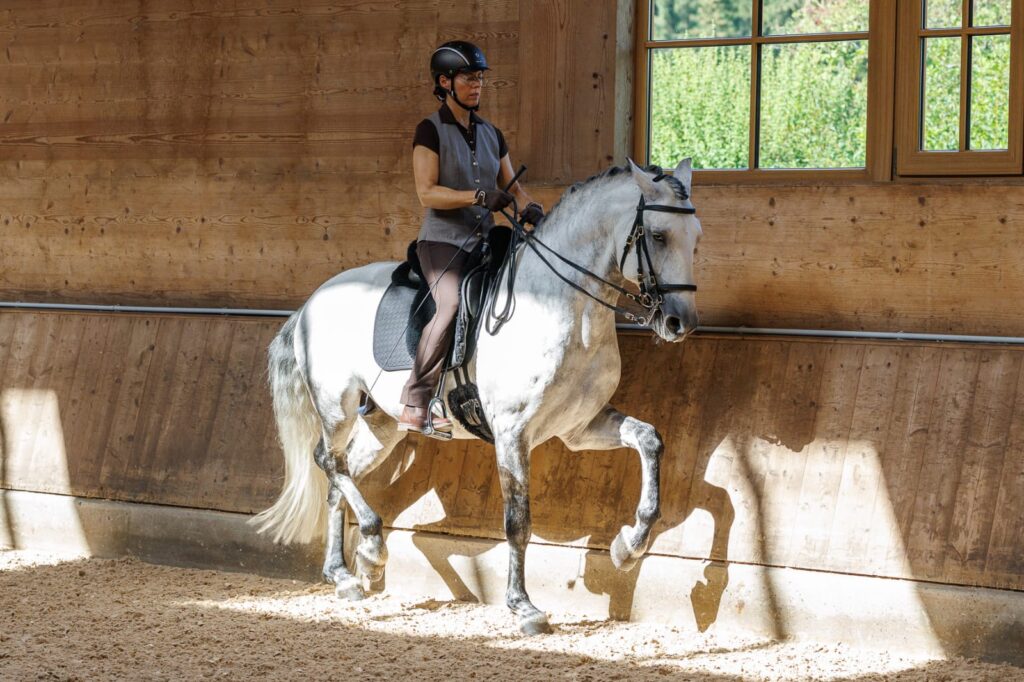
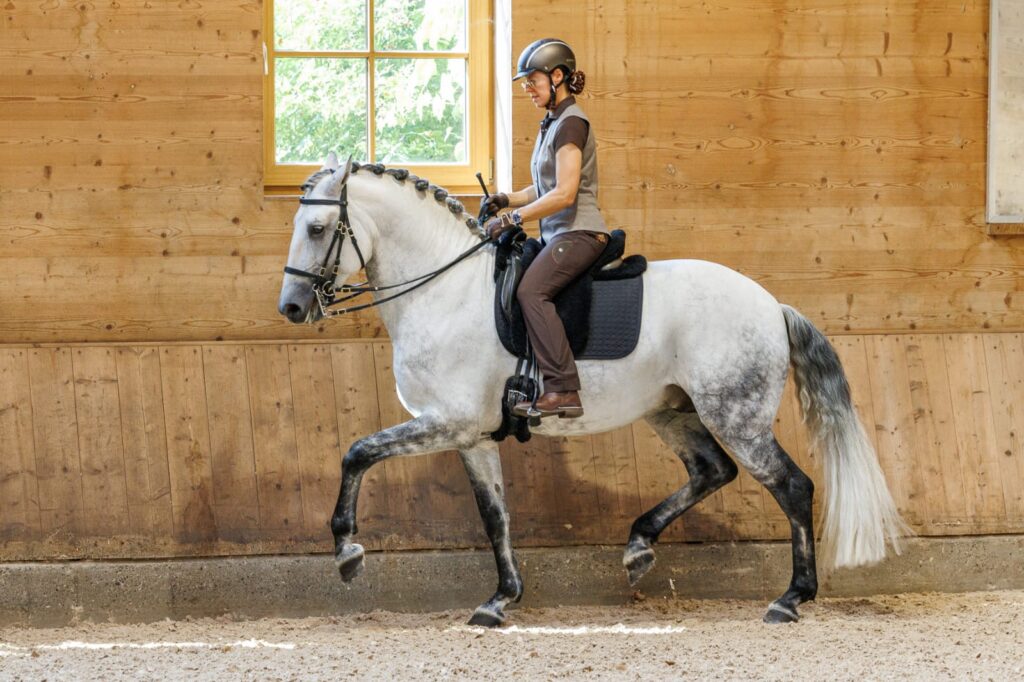
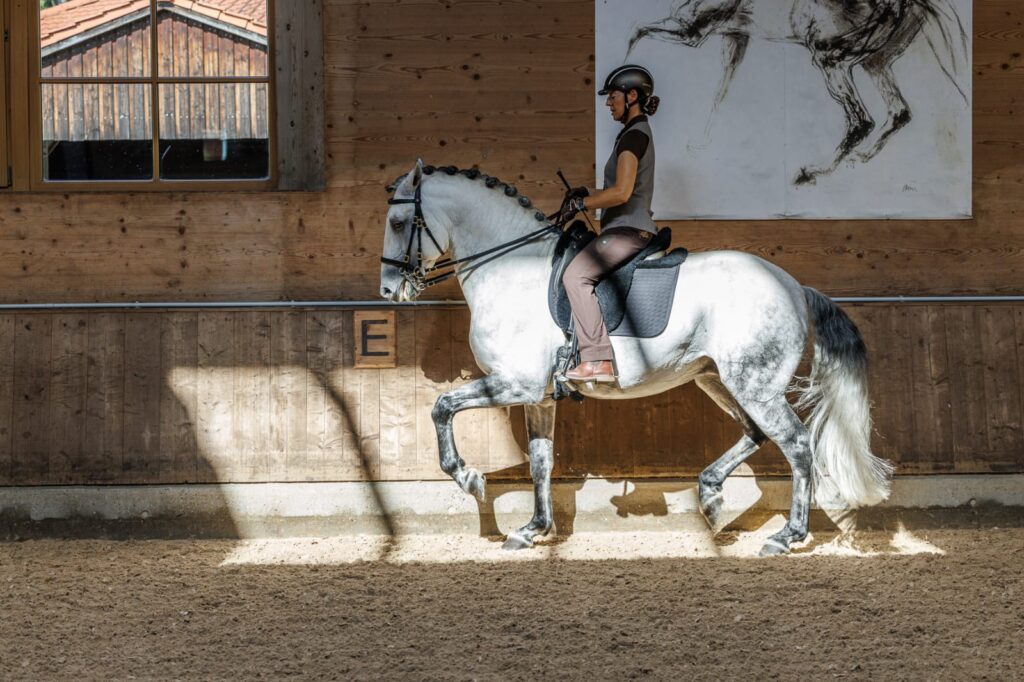
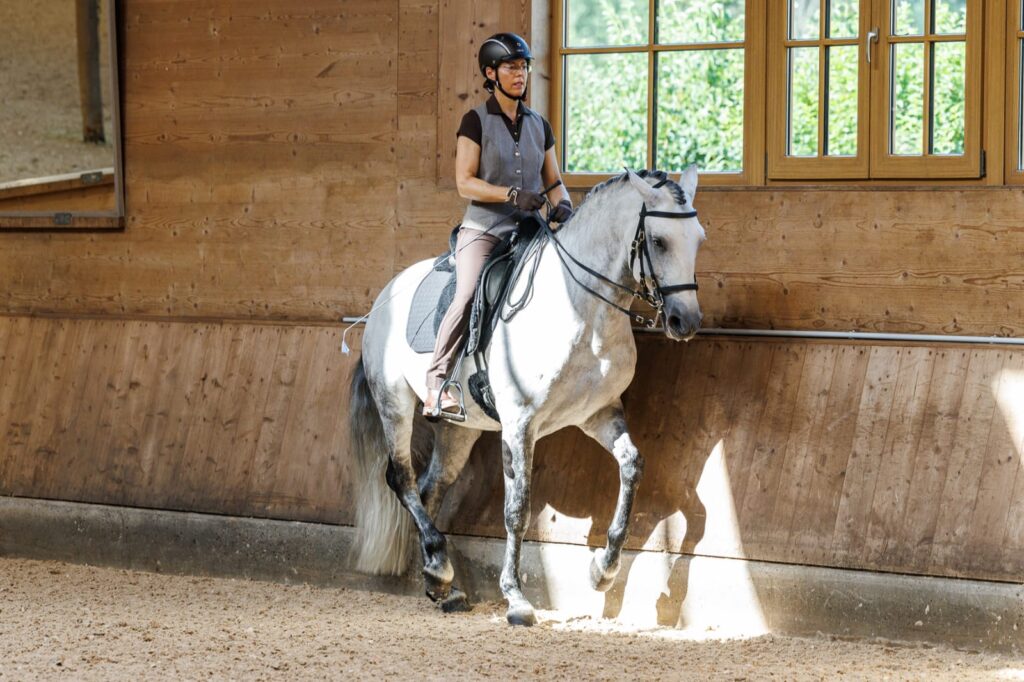
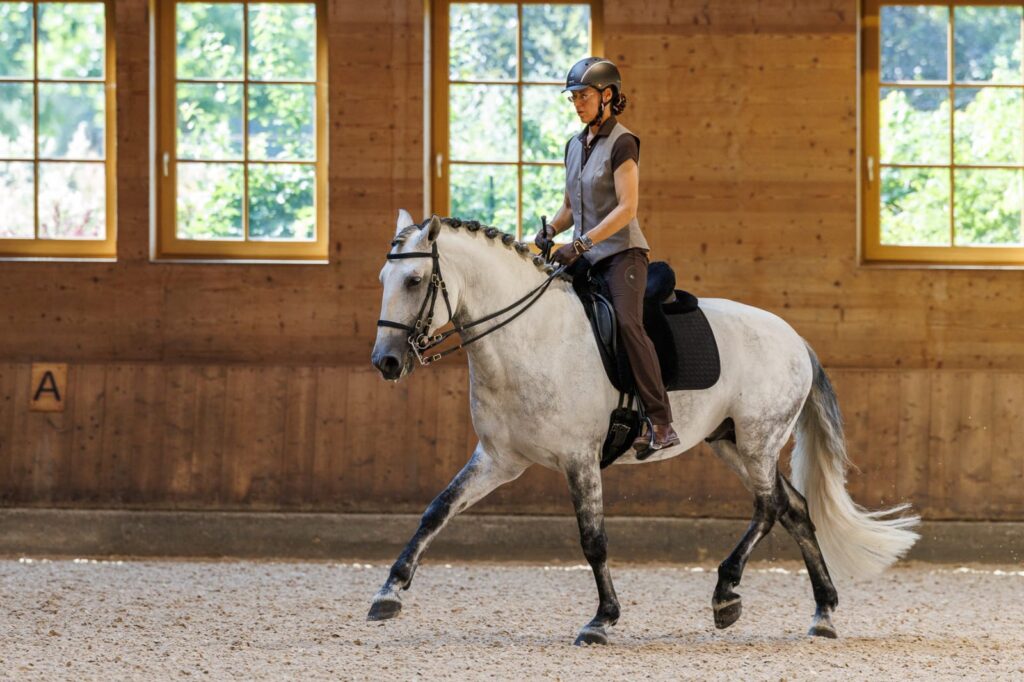
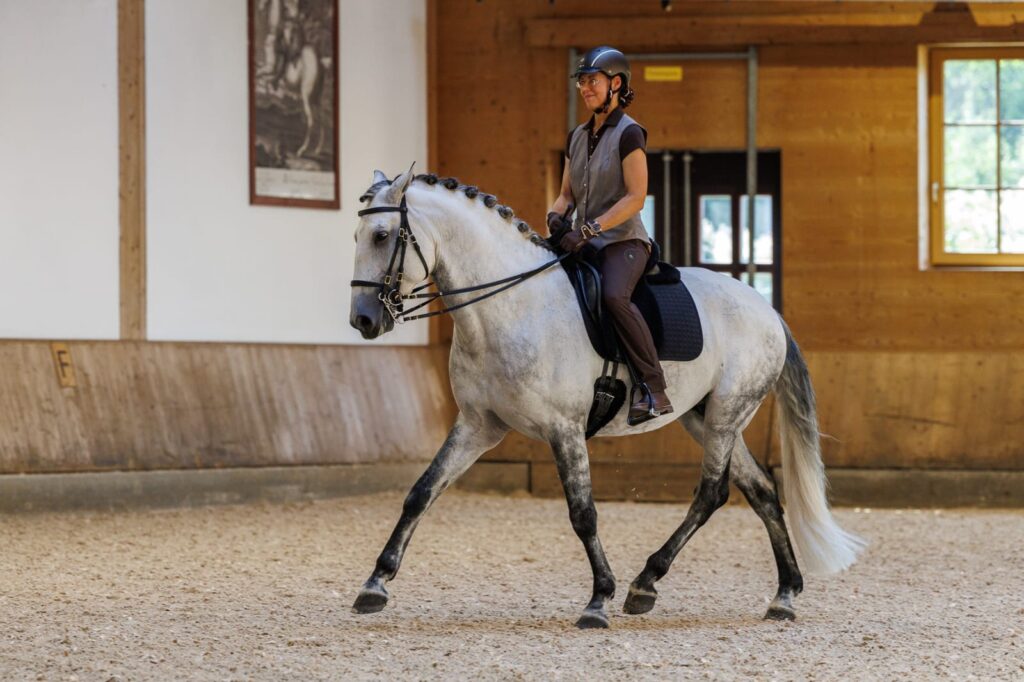
We dedicated the opening of our 13th International Workshop entirely to the training of young horses—and our up-and-coming talents could hardly have presented themselves better. Despite the unfamiliar setting and the large audience, all the horses remained focused, calm, and trusting. It was truly wonderful to see the confidence and ease with which these young horses carried themselves in such a unique atmosphere—a start that left us feeling proud and grateful.
The day’s topics included:
- What are the first steps with a young horse? How do you begin?
- Getting to know the horse and building trust is the top priority!
- The horse’s individual traits?
- Basic groundwork depends on the horse’s character and physical strength.
- For us, it’s about building a lifelong relationship!
Ernst Lorenz captured some lovely impressions of this first day.





Day 2
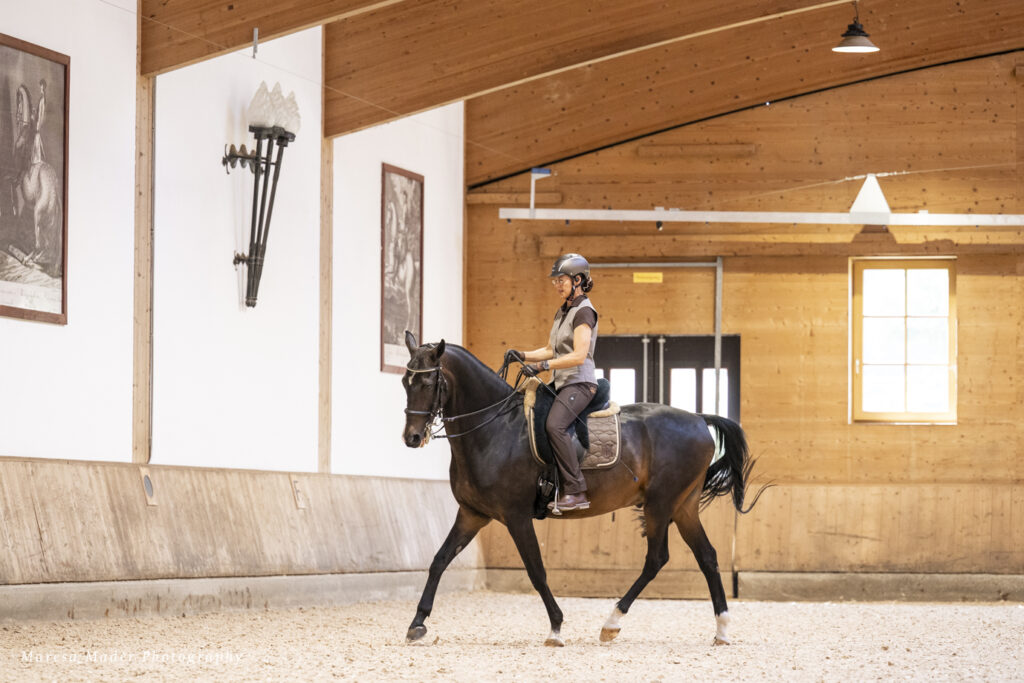
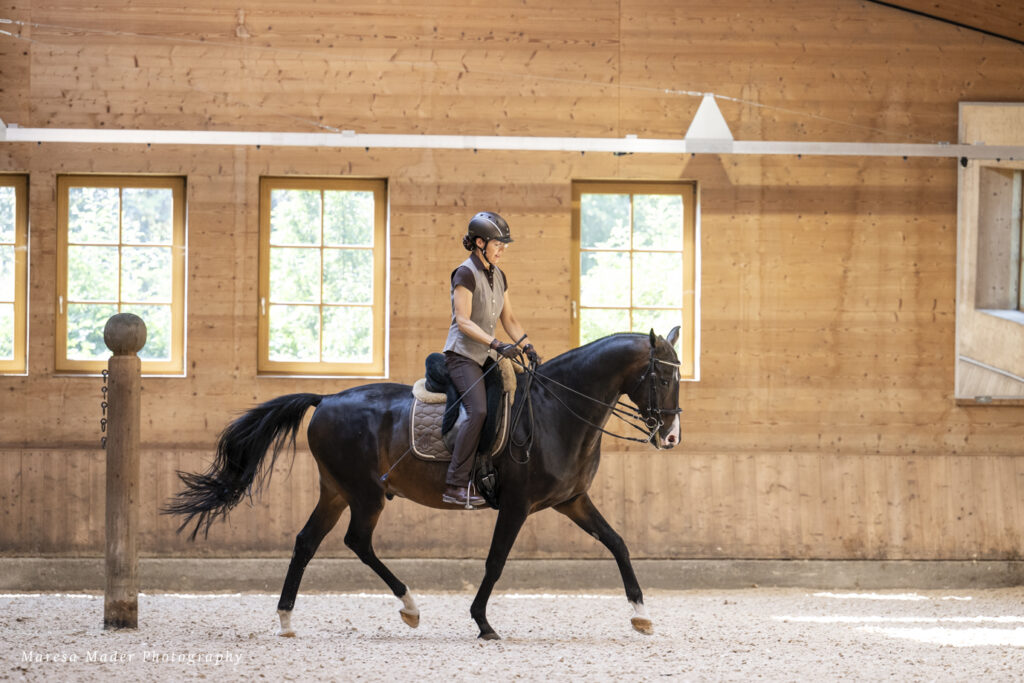
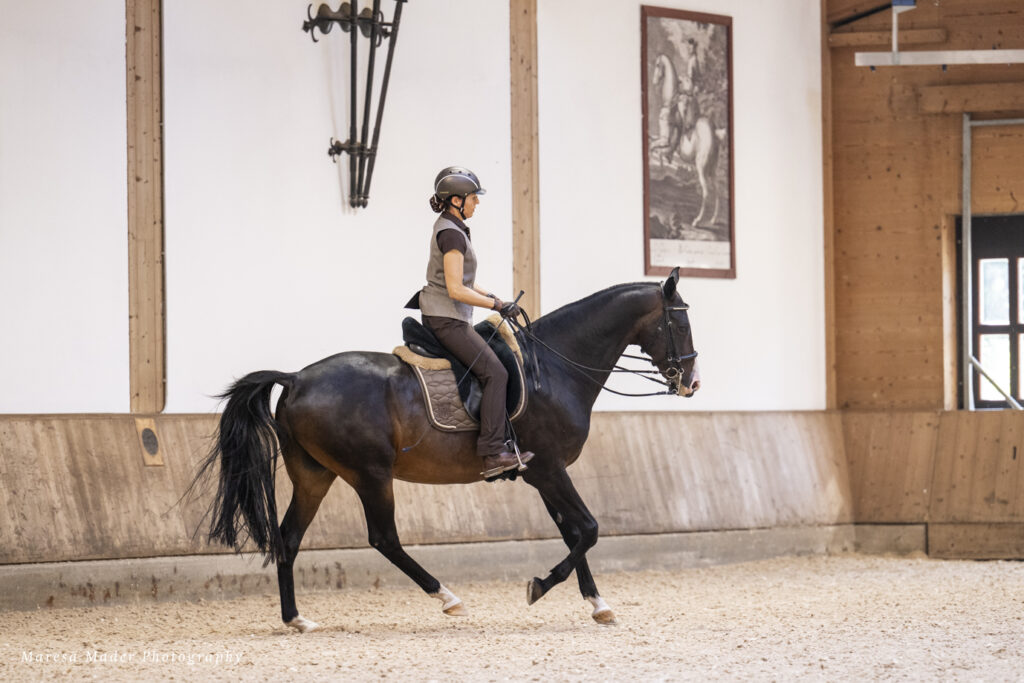
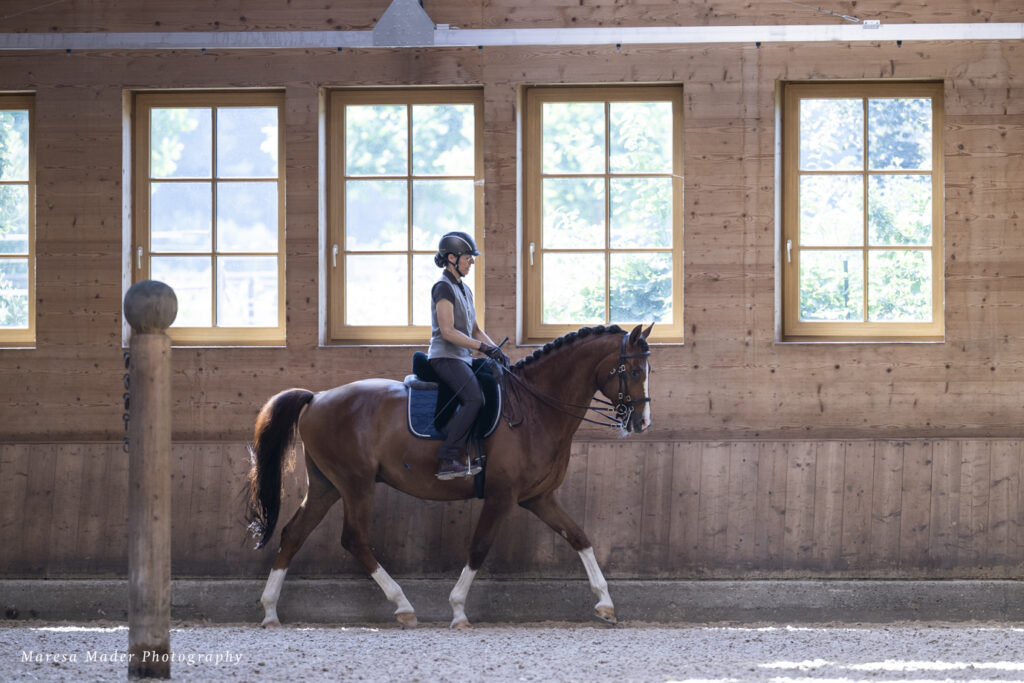
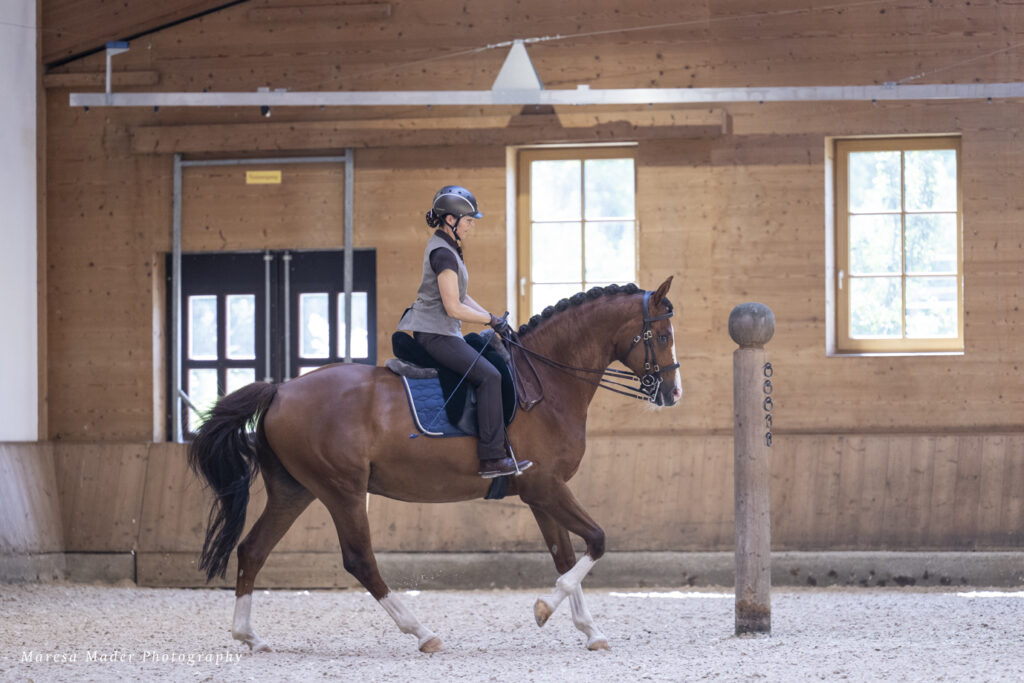
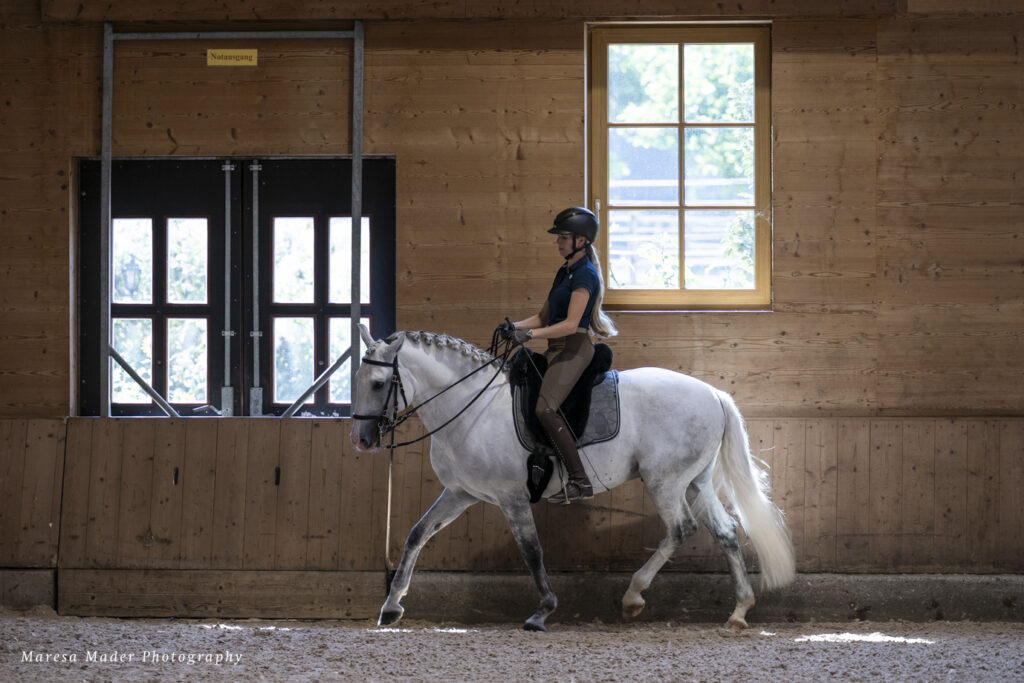
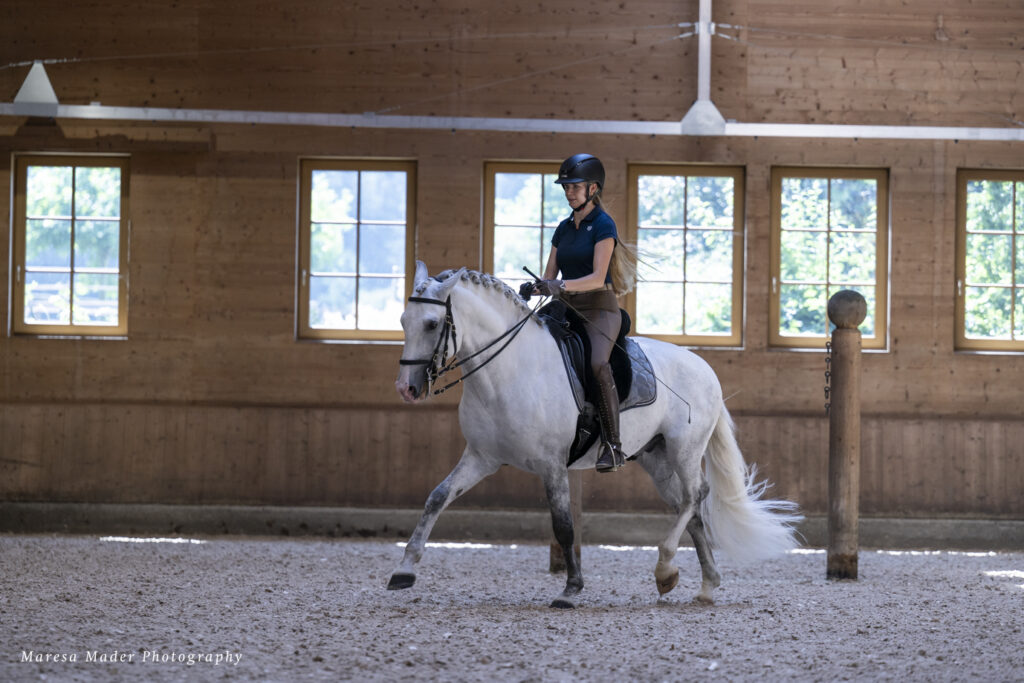
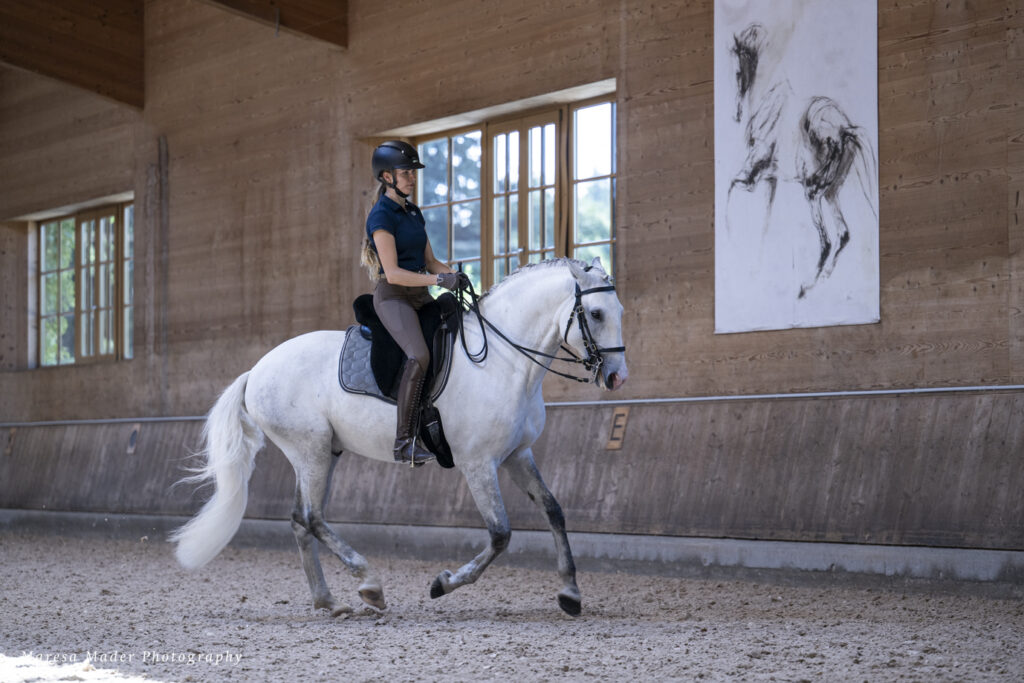
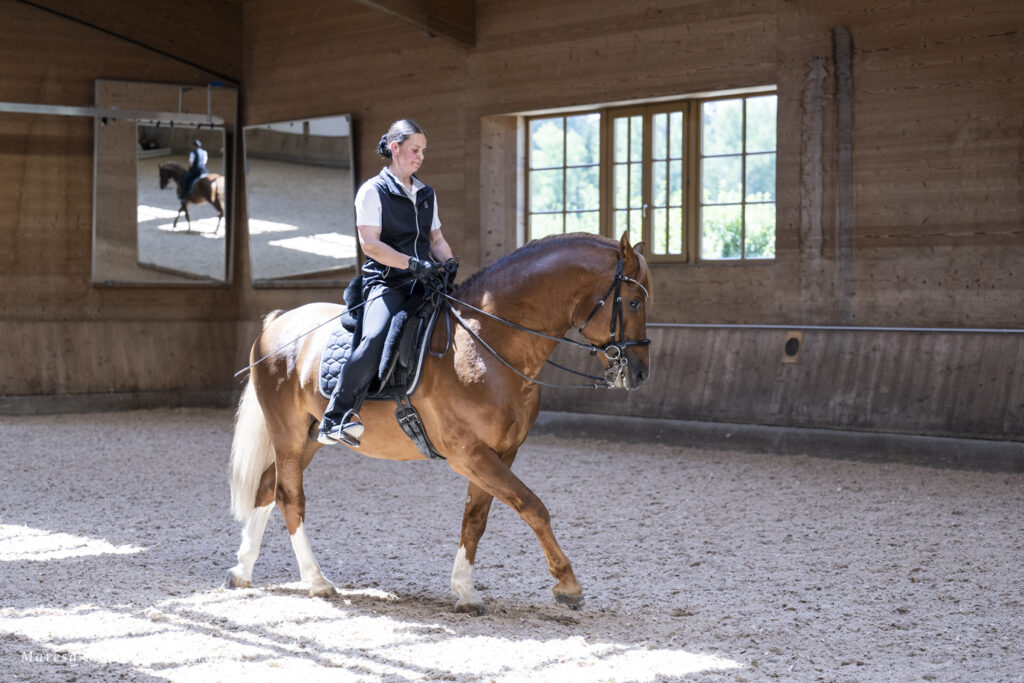
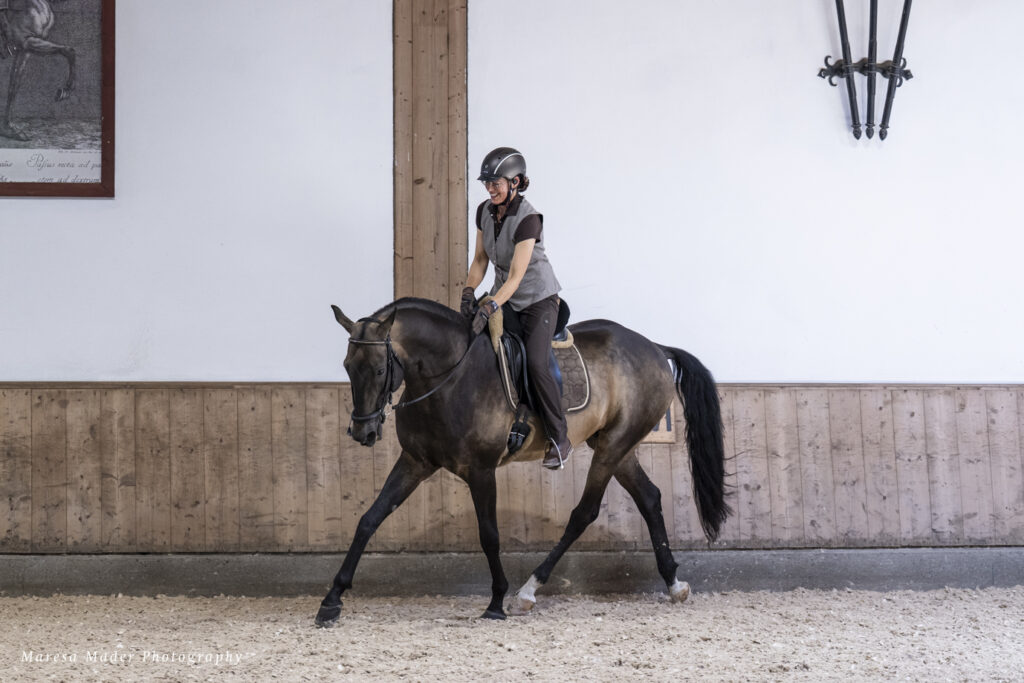
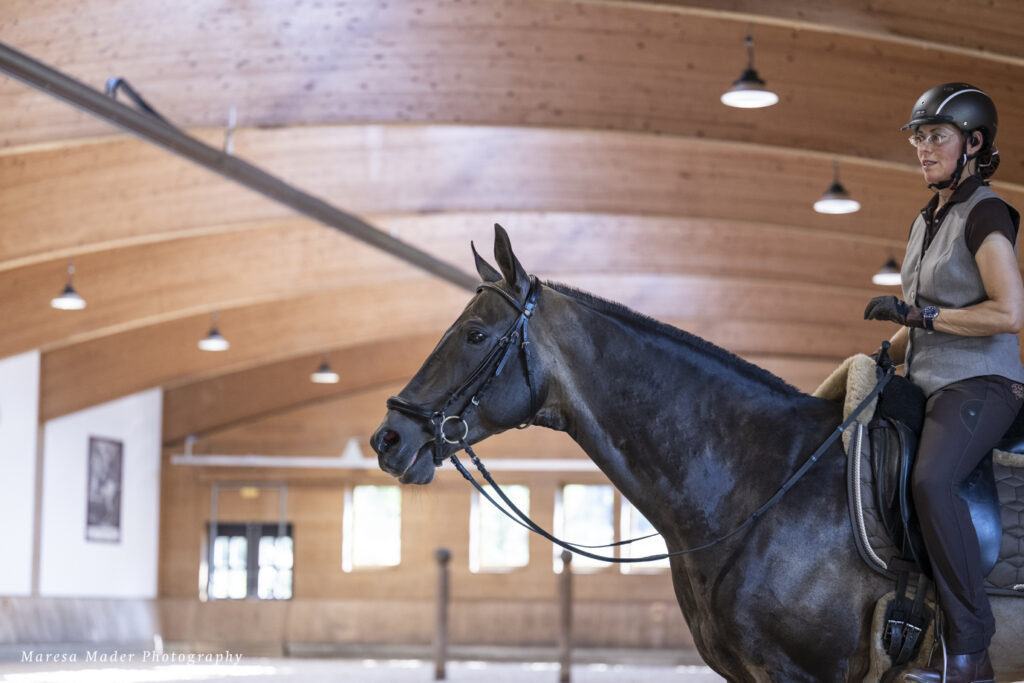
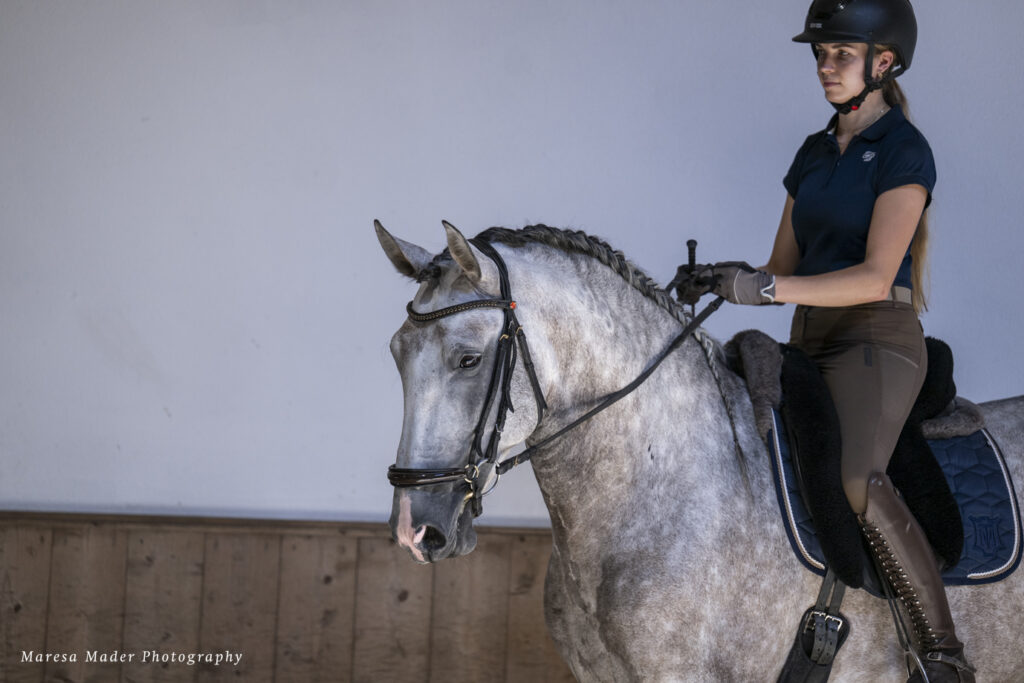
The second day of our “Get the Spirit” international workshop focused on one of the core tasks of classical training: how to successfully improve a horse’s balance and straightness through systematic work. After all, rhythm, balance, and well-developed musculature are far more than just training goals—they form the foundation for keeping a horse healthy and capable of performing over the long term. Through both theory and practice, it became clear how classical gymnastic exercises can help correct natural crookedness and guide the horse, step by step, toward greater physical balance.
The day’s topics included:
- Analysis of the horse regarding weaknesses, crookedness, and the selection of the next training steps – a list of priorities!
- What should be improved first?
- Don’t try to work on everything at once!
- How do I build up training and at what intensity?
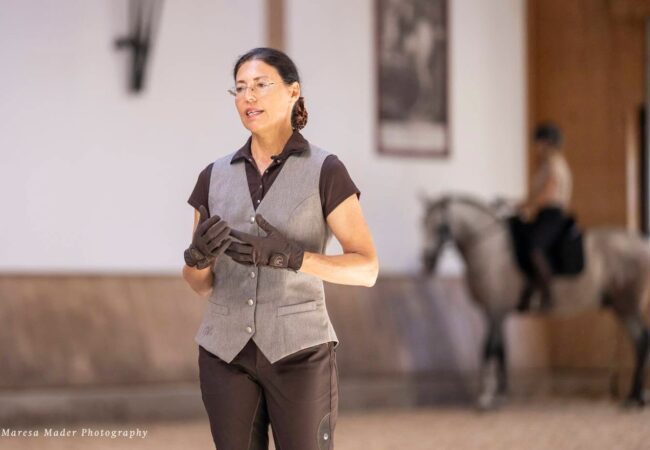
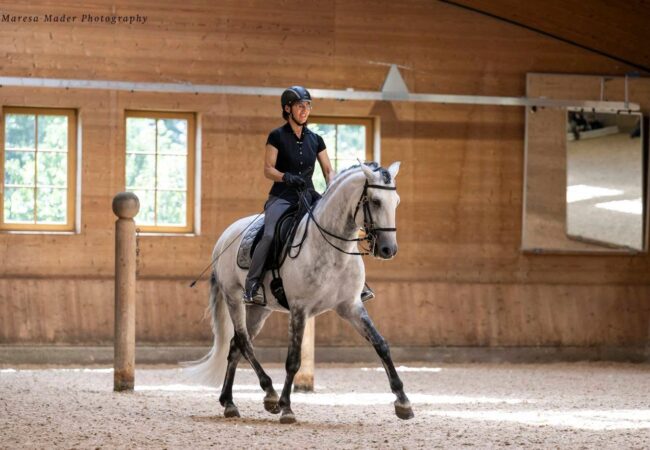
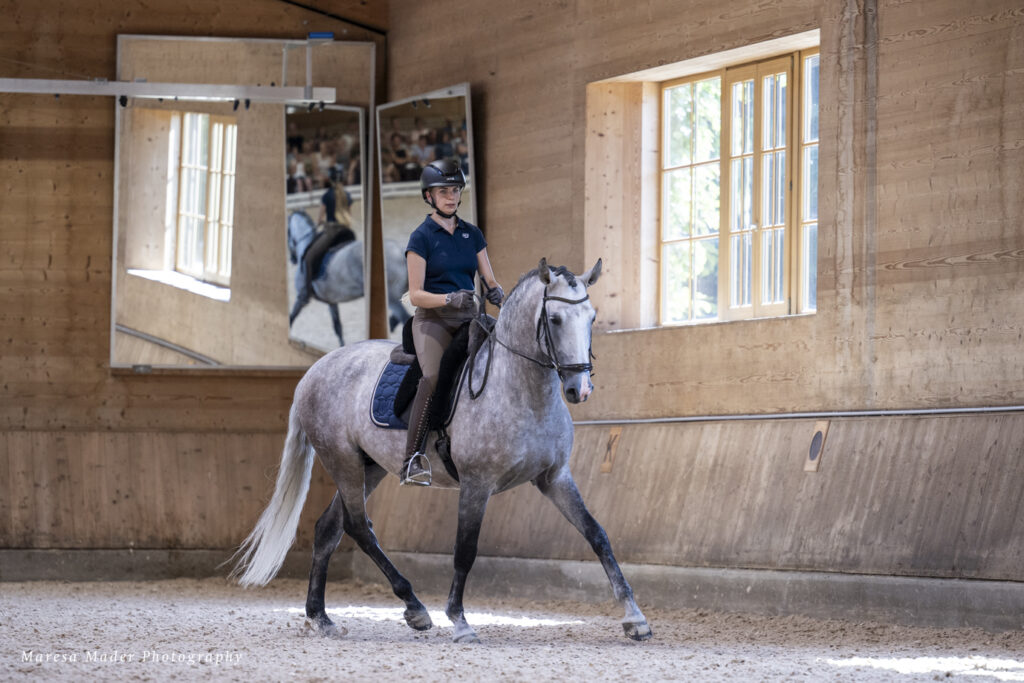
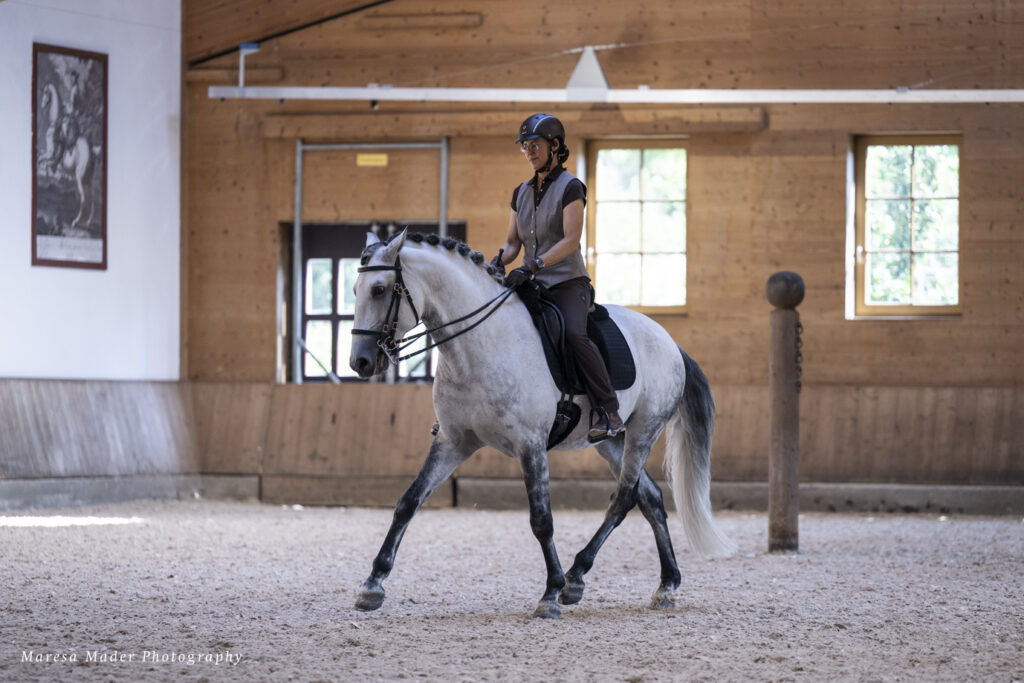
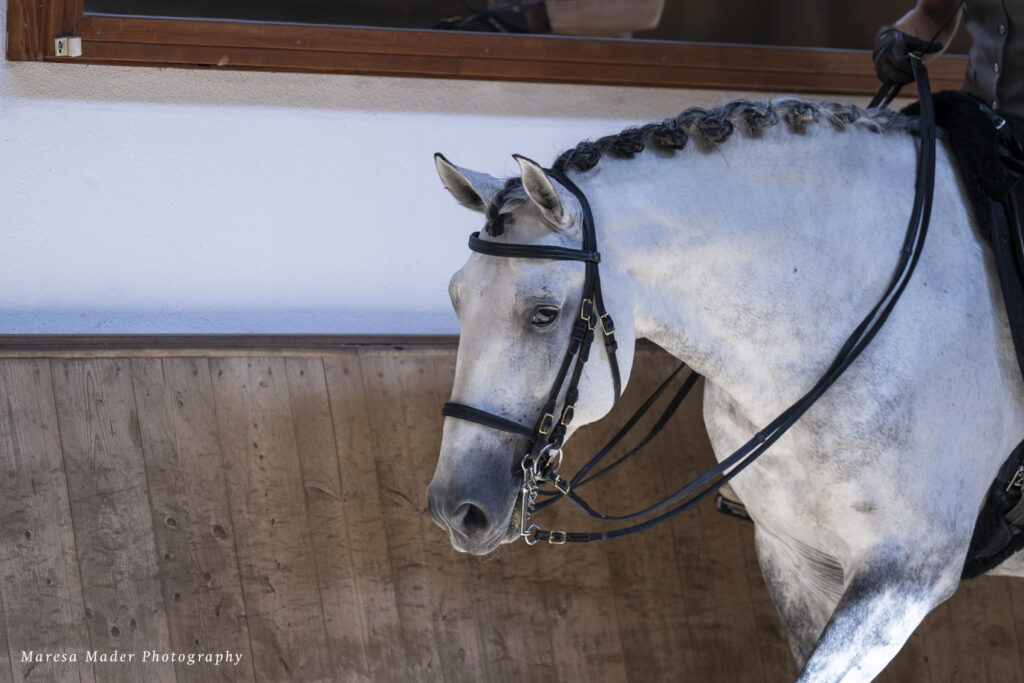
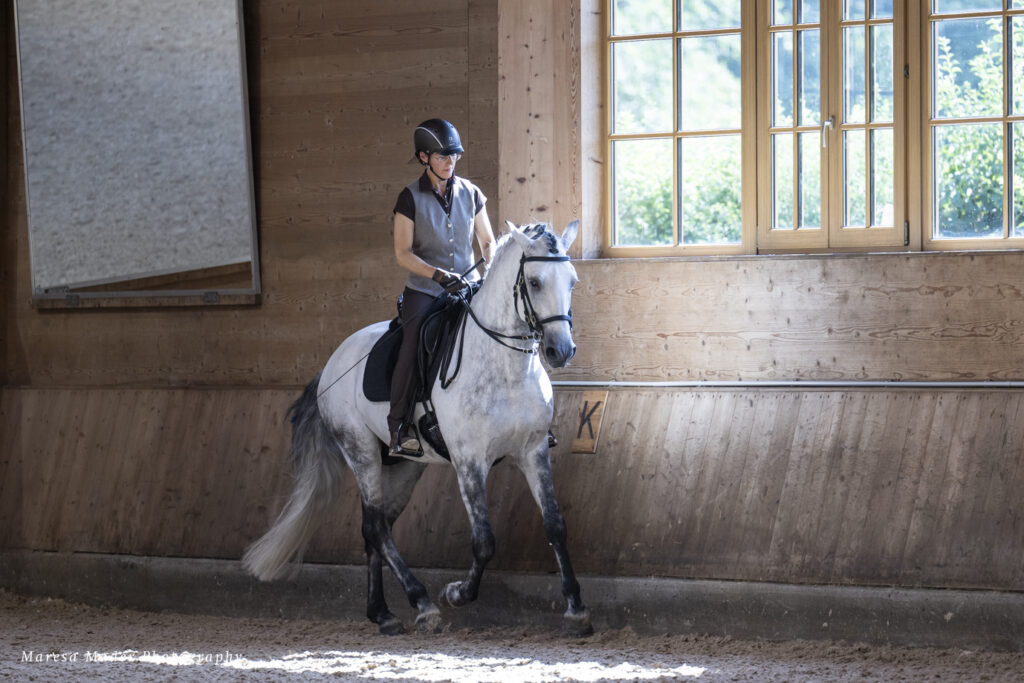
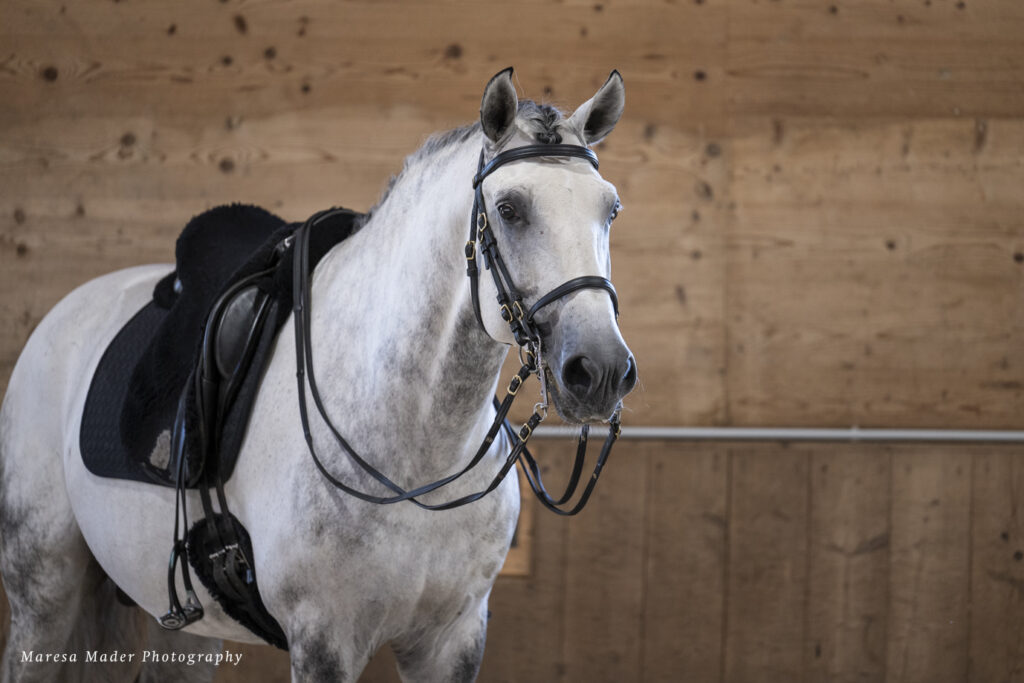
Maresa Mader accompanied us during this workshop day and captured many wonderful moments.
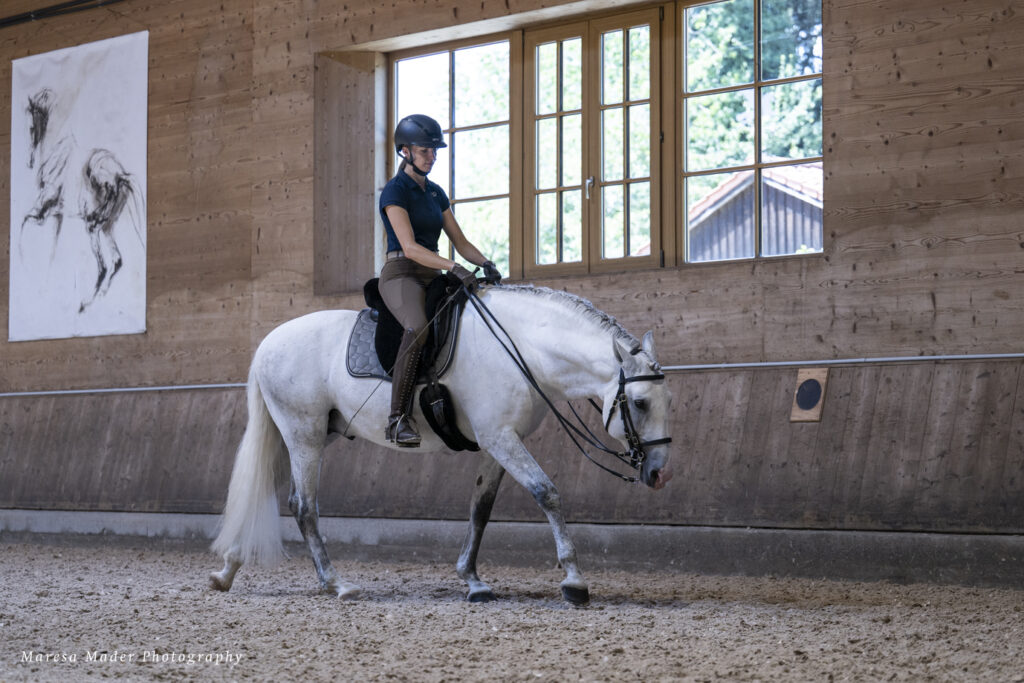
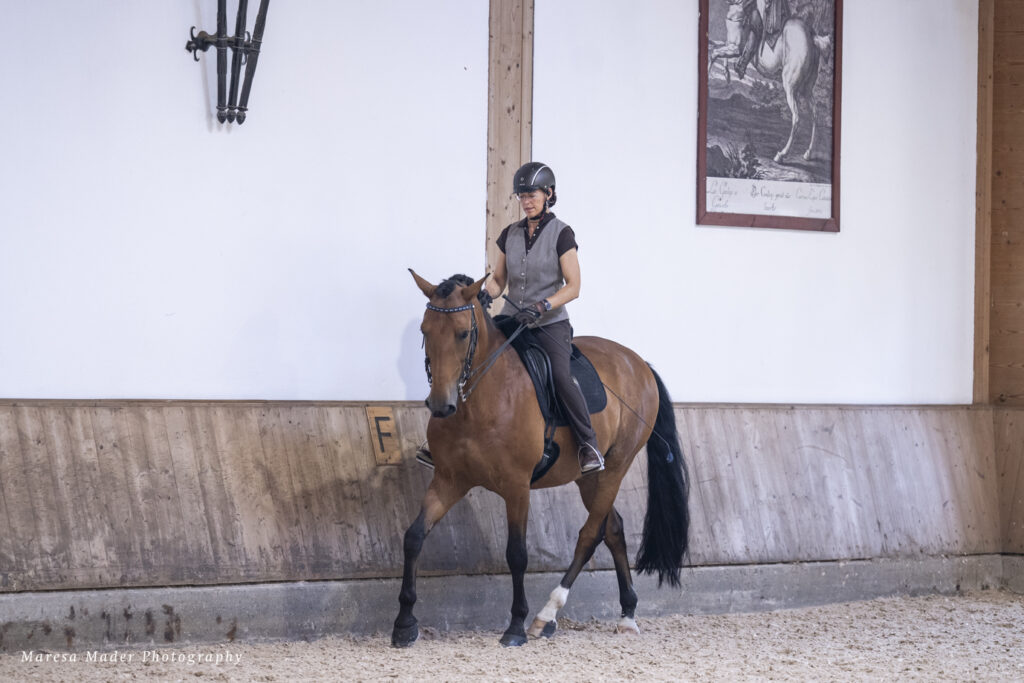
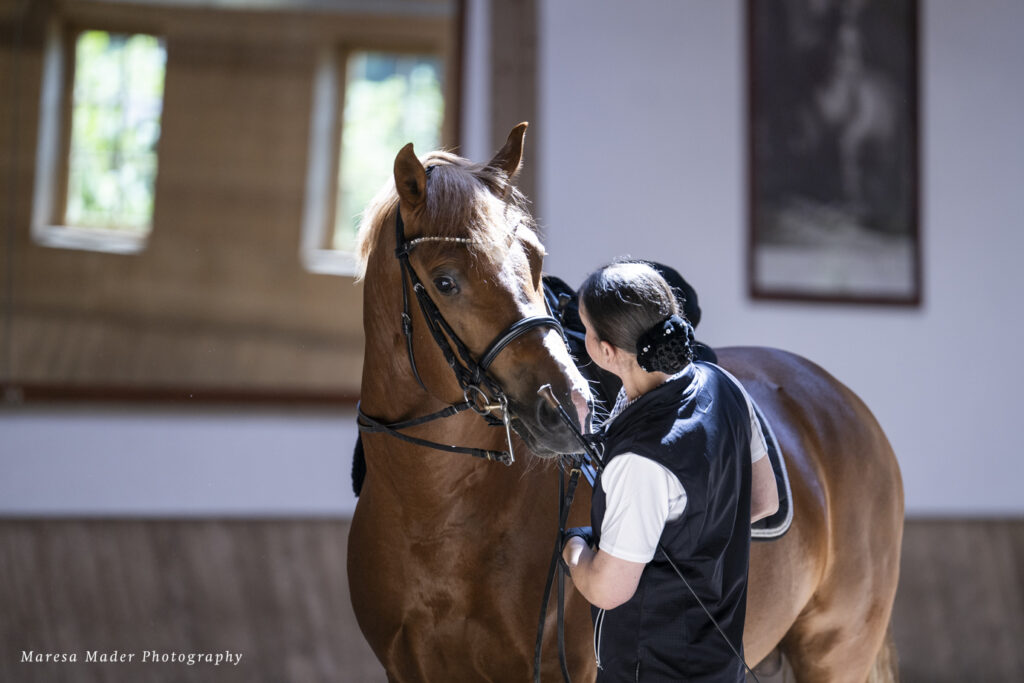
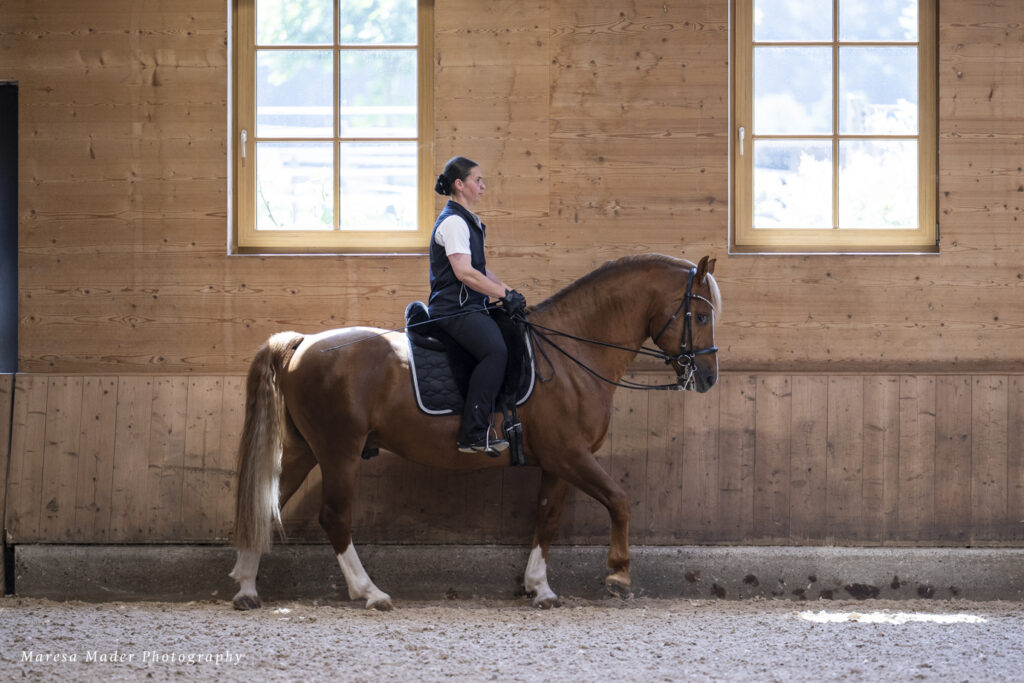




Day 3
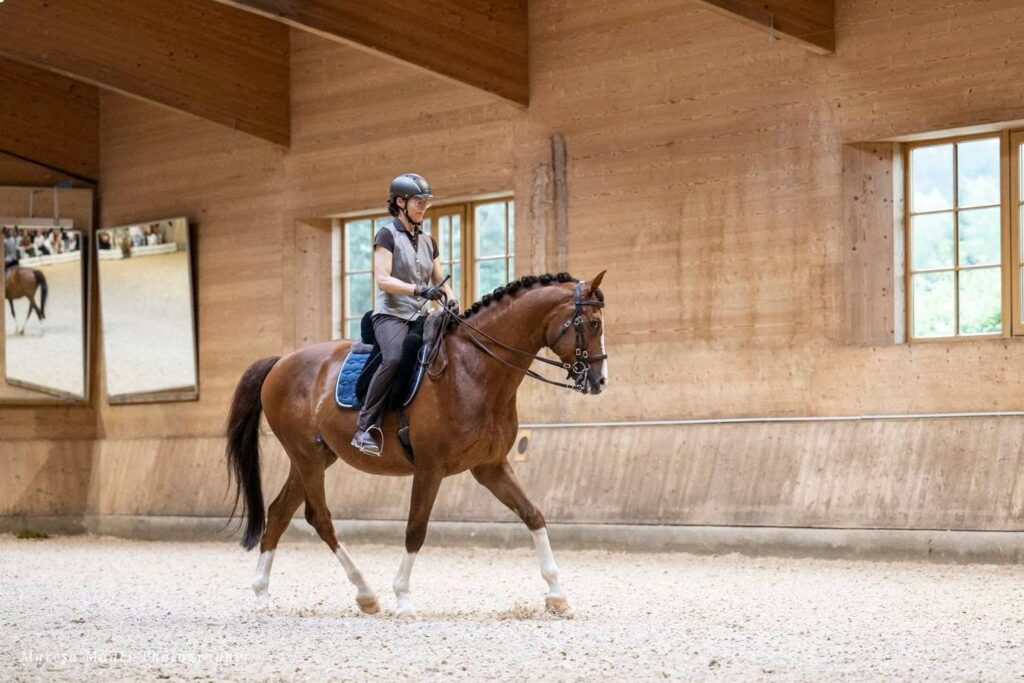
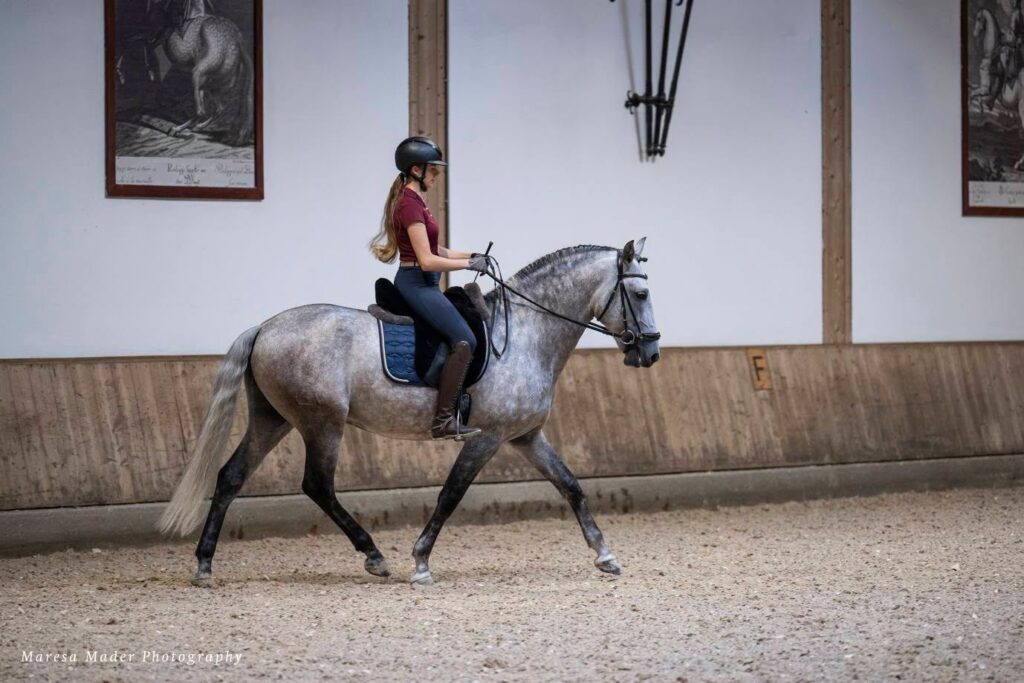
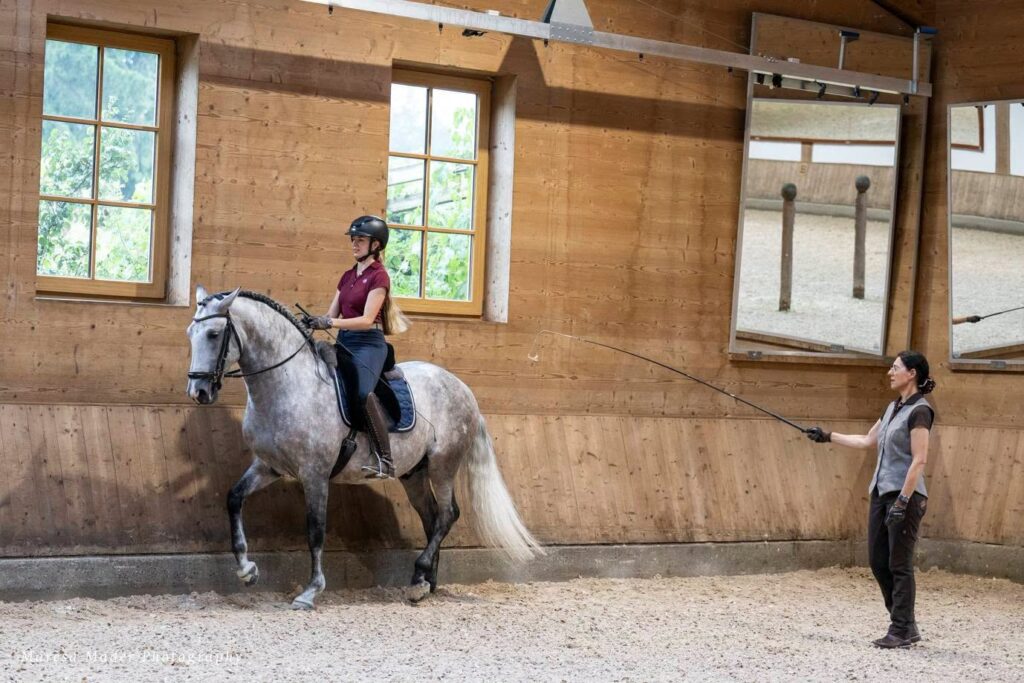
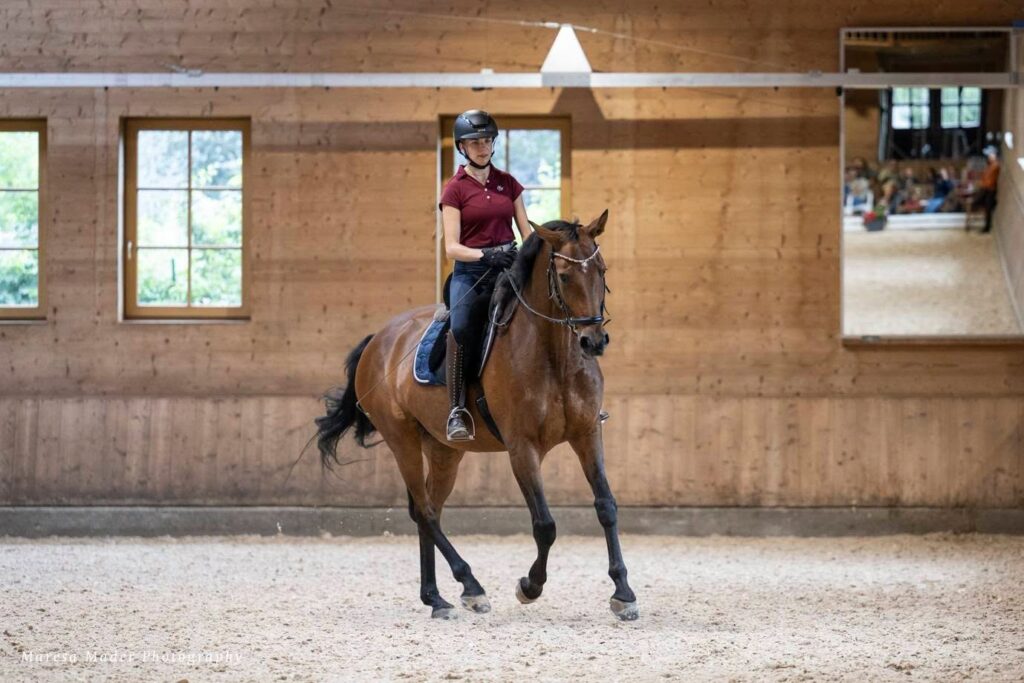
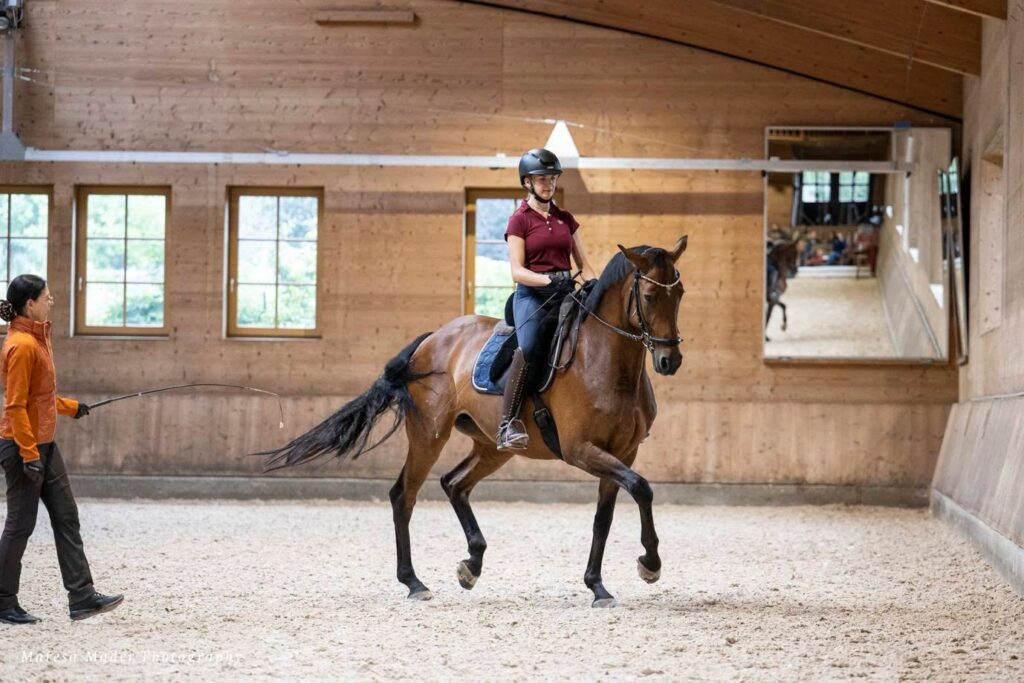
The third day focused entirely on the path toward collection, with our guests accompanying the various horses through the process. Collection develops as a logical outcome of classical training—achieved through consistent straightness, increasing mobility, and improved flexion of the hocks, which we cultivate particularly through lateral movements.
The day’s topics included:
- Which high school movements should I start with?
- What makes sense for the individual horse?
- When should certain exercises initially be left out?
- What can a logical training progression look like in general?
- Choice of bit?
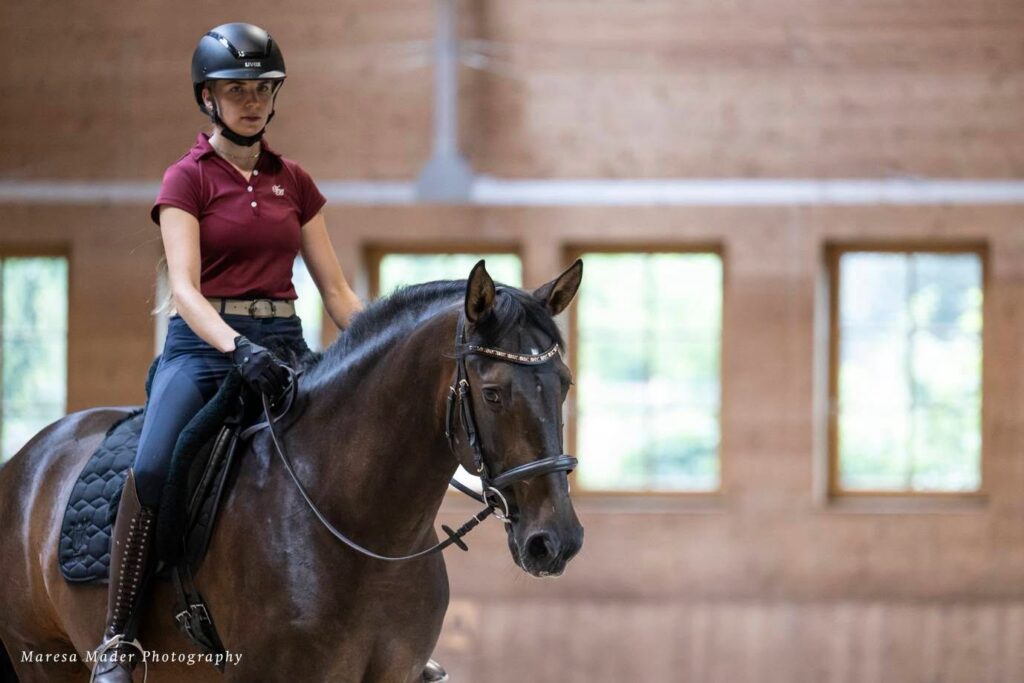
Maresa Mader accompanied us during this workshop day and captured many wonderful moments.
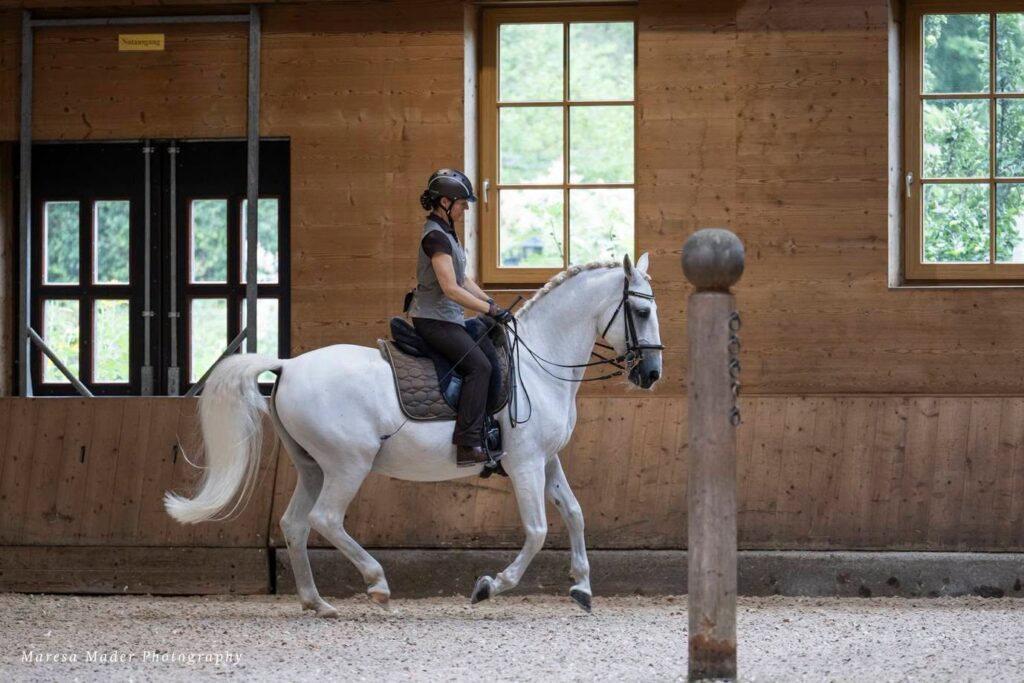
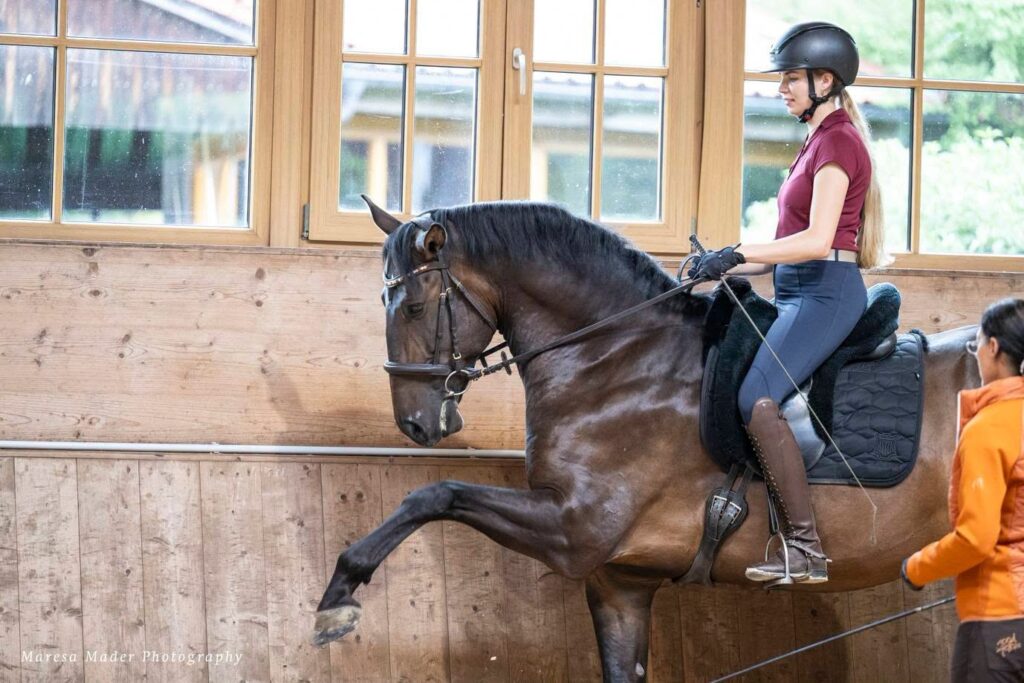
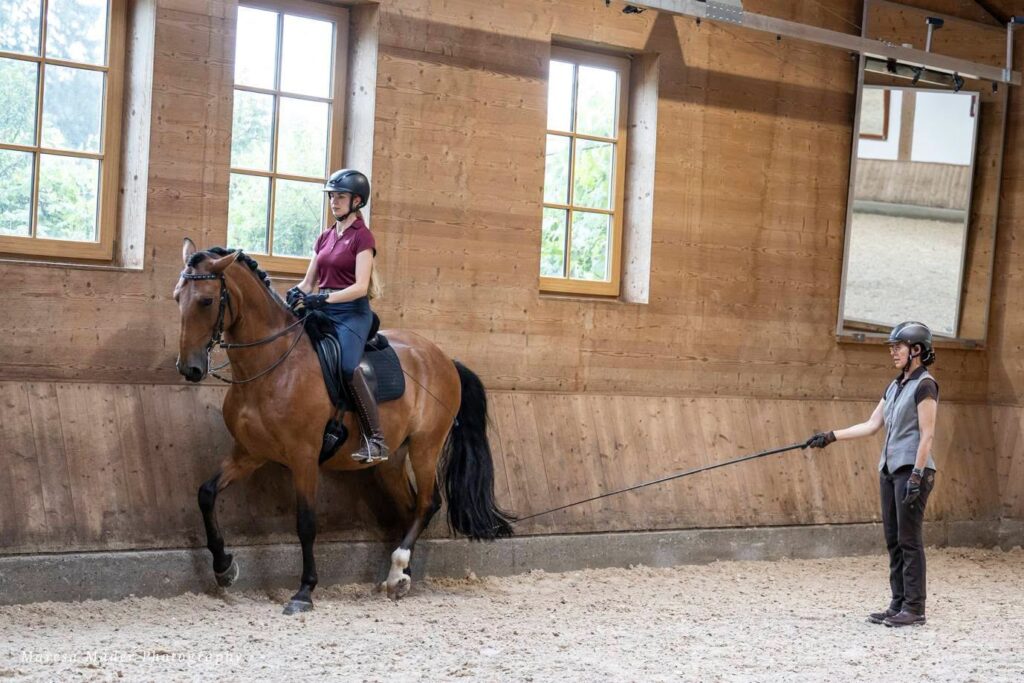
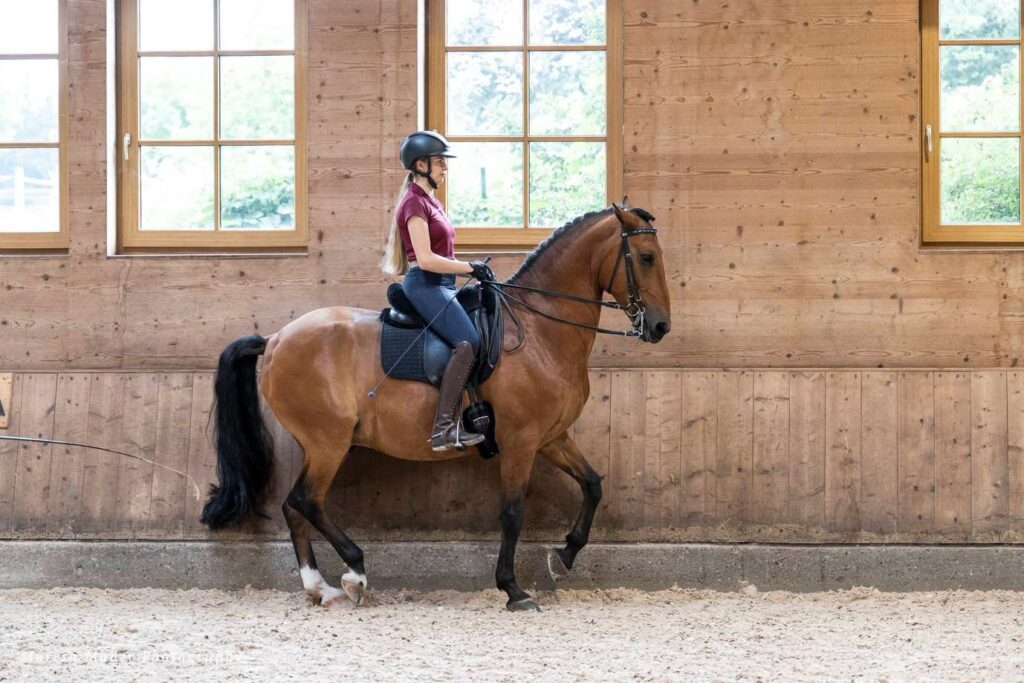
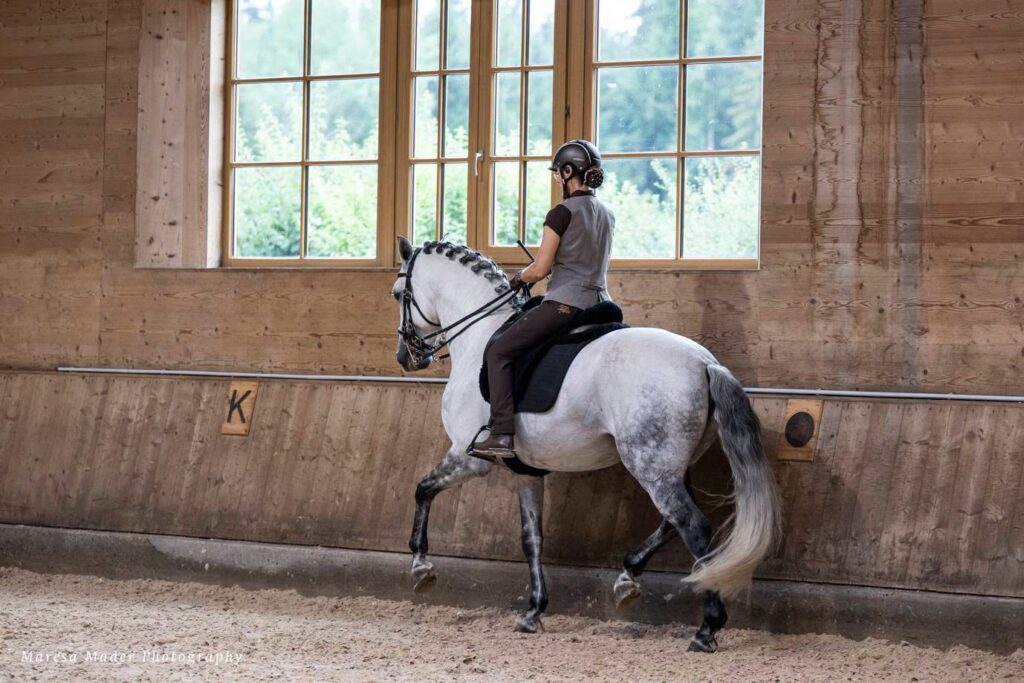
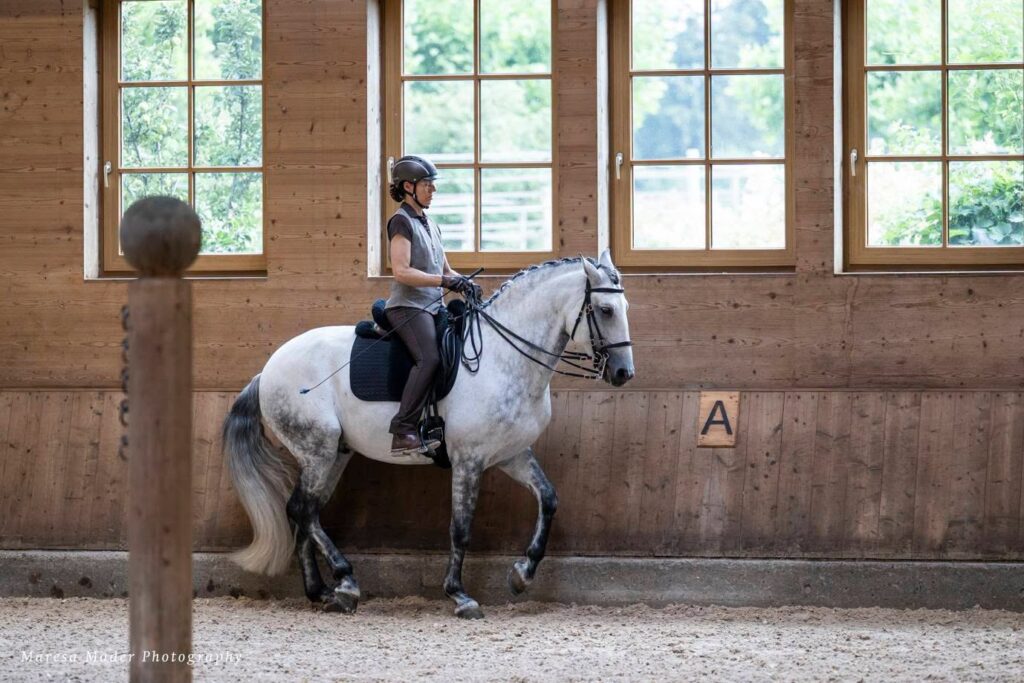
Favory Toscana
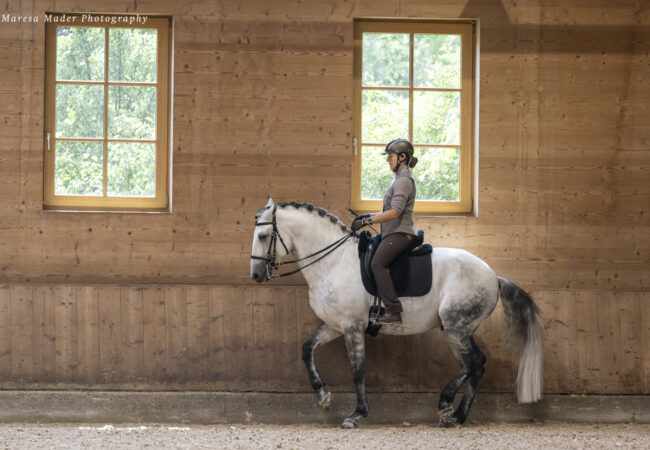
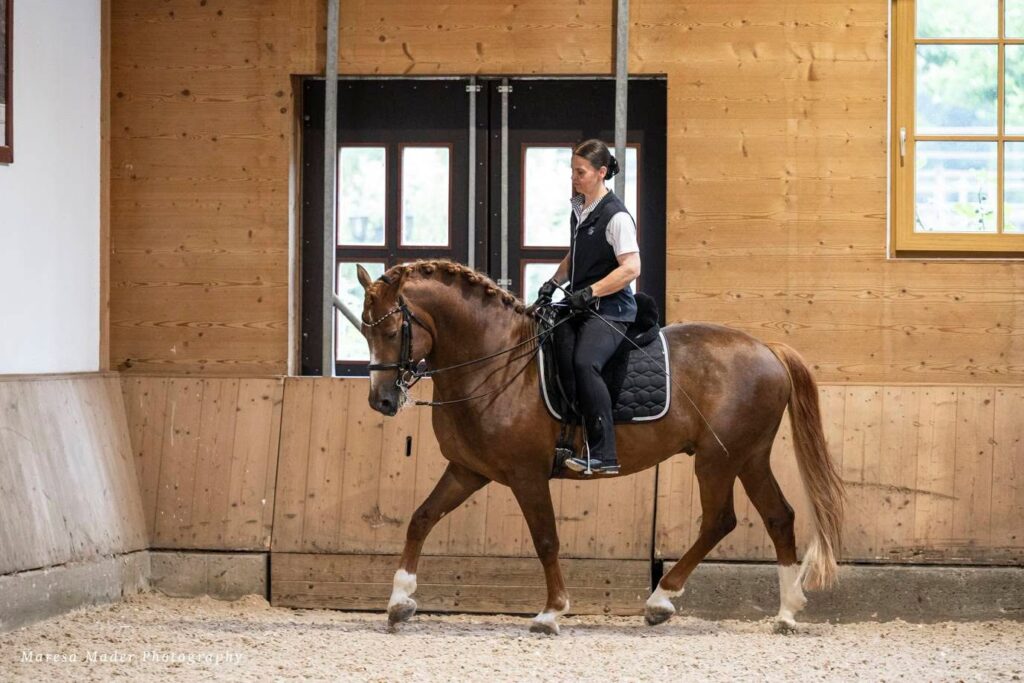
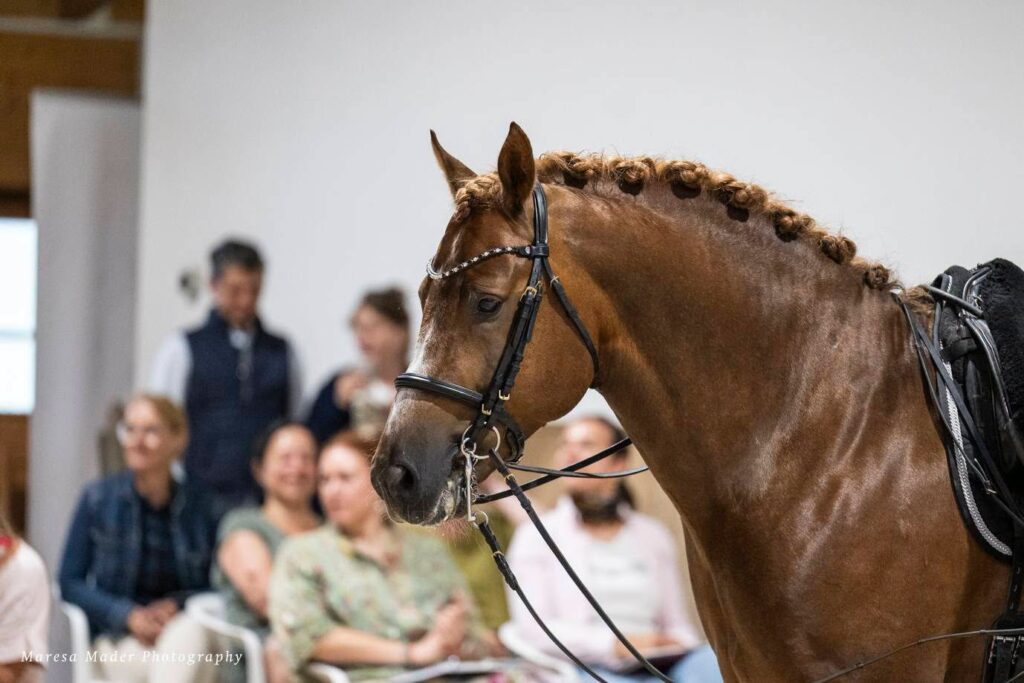
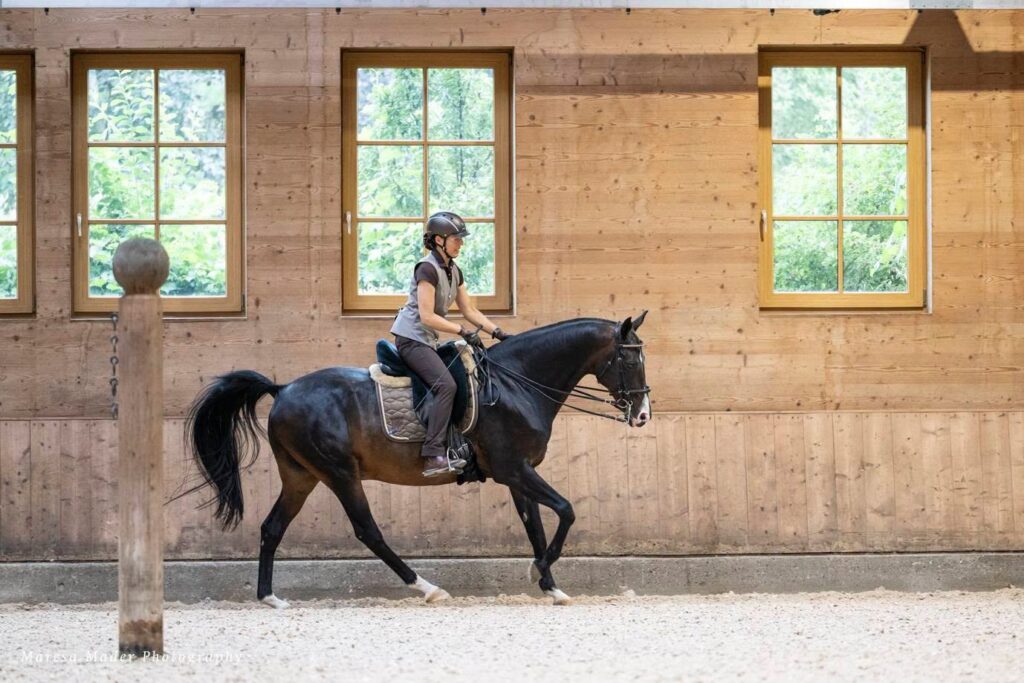
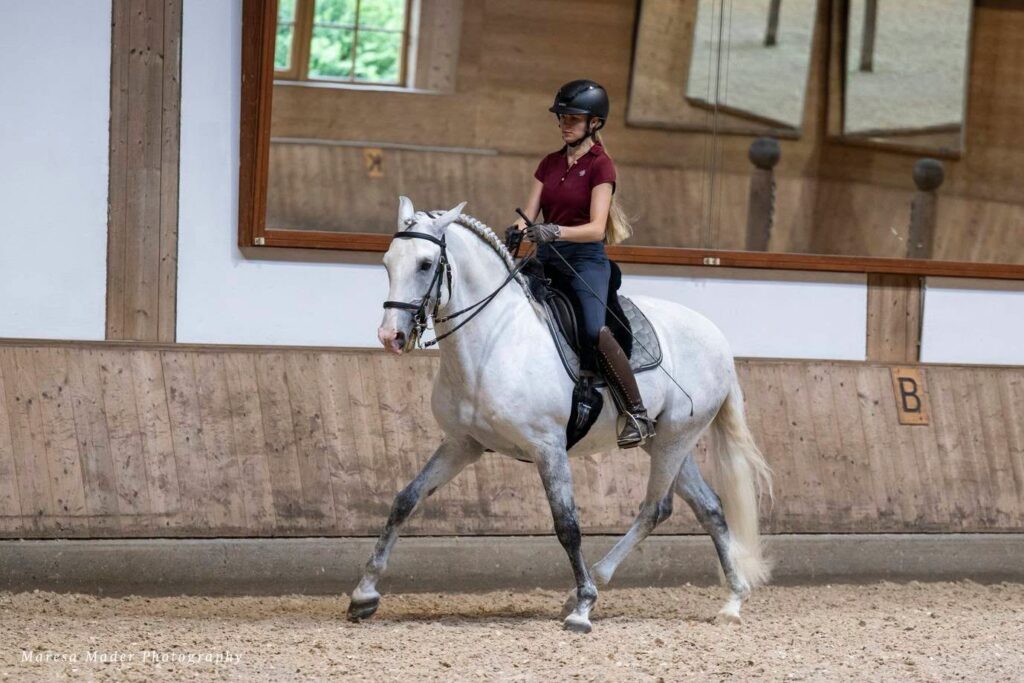
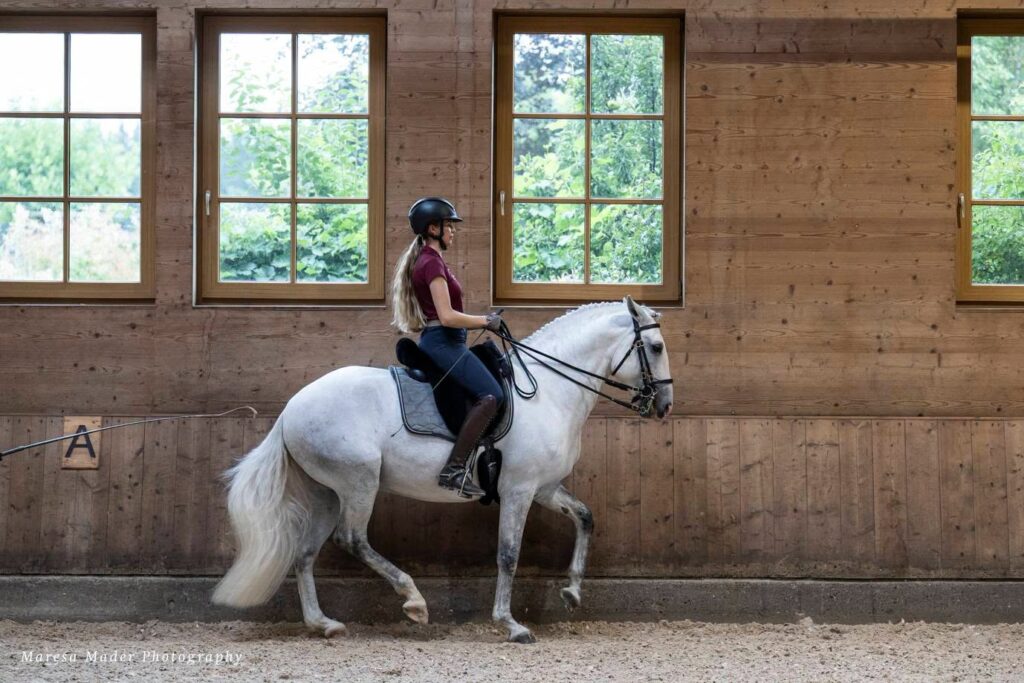
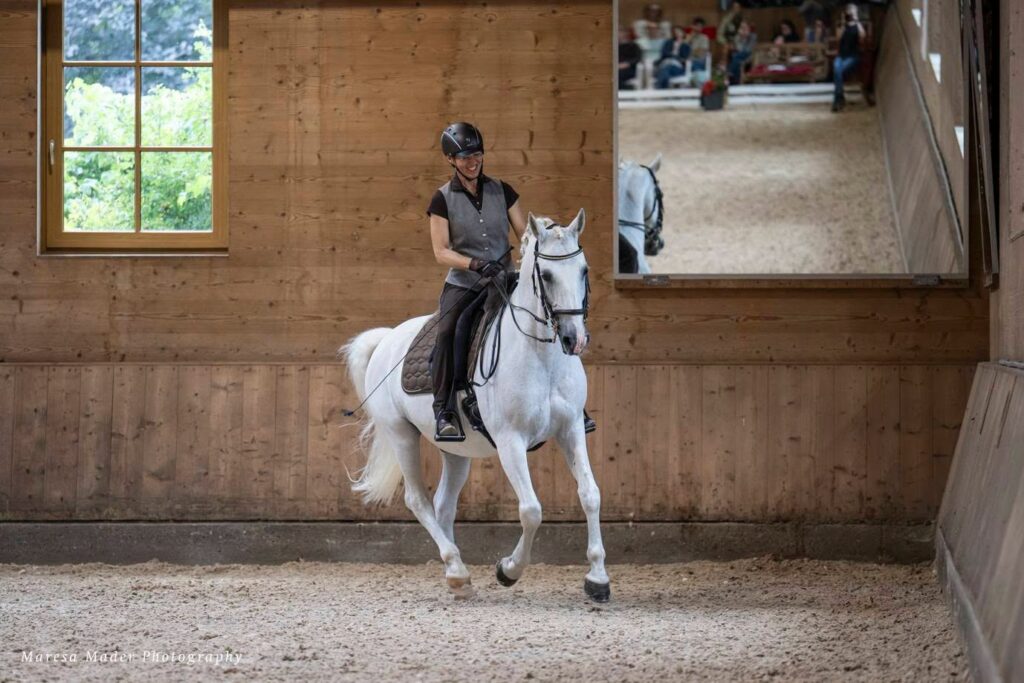
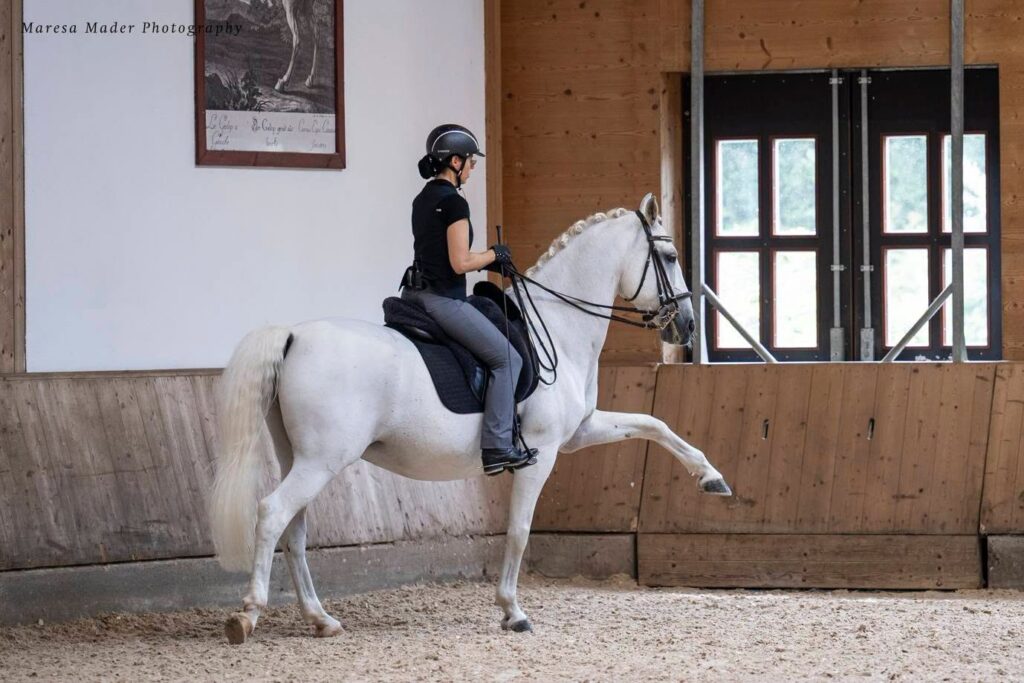
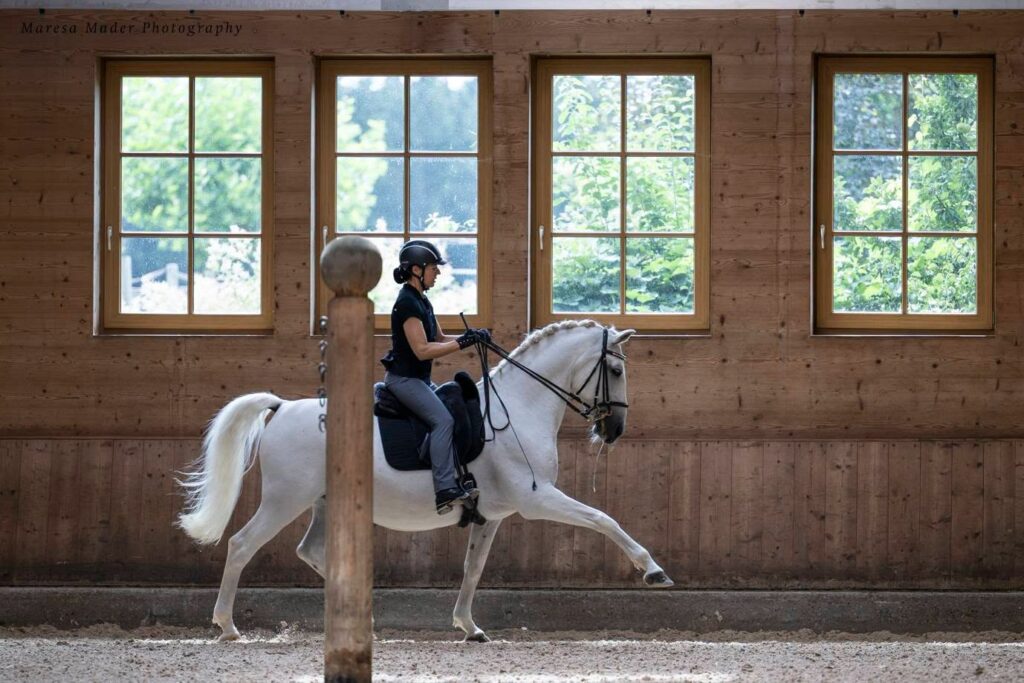
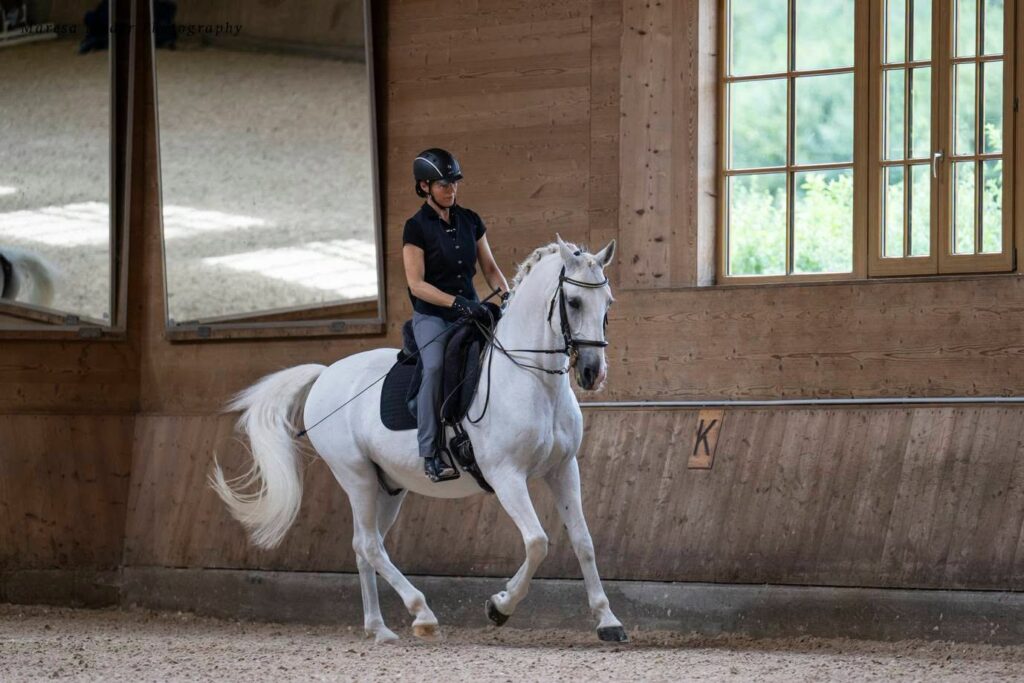
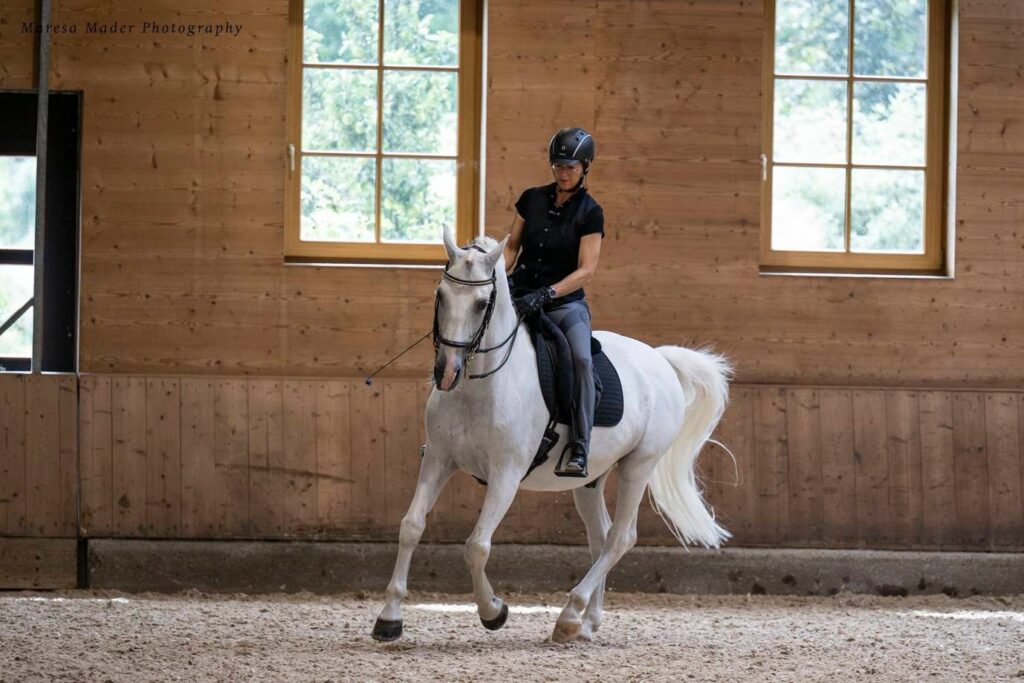
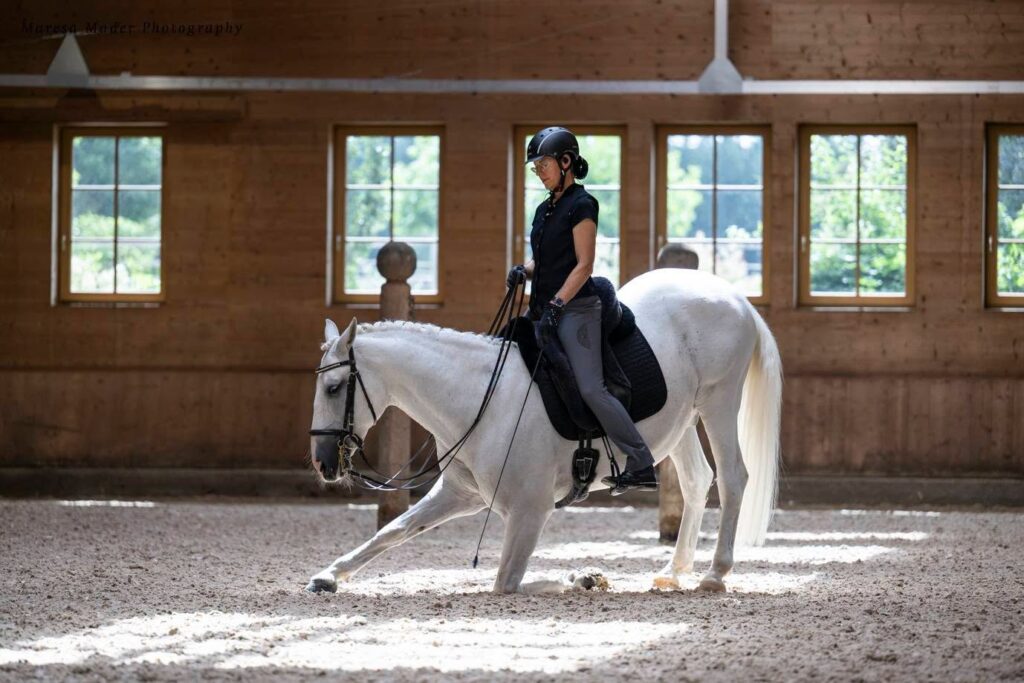
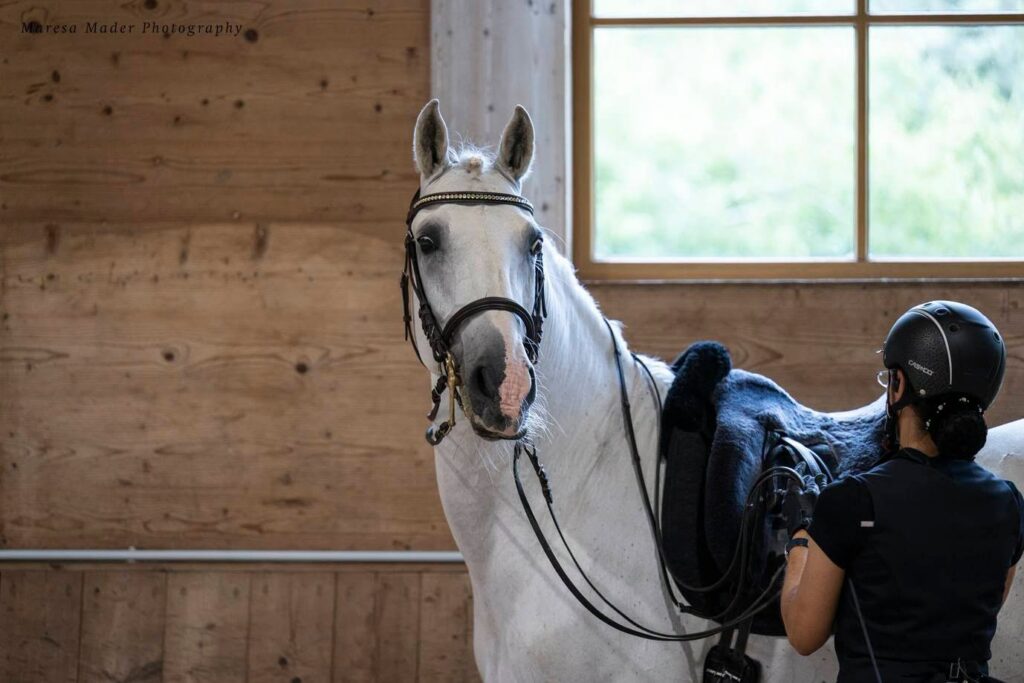
This 22-year-old Lipizzaner has been a wonderful addition to our events for many years. He arrived at the Rosenhof estate as an unbroken three-year-old fresh from the stallion rearing facility and received his entire training there. The fact that he remains so fit, agile, and expressive at the age of 22 is due in no small part to careful, classical gymnastic training. Favory continues to shine even in demanding movements—such as the Spanish Trot, formerly often referred to as the “extended passage.”
Anja often likens her deep bond with Favory to that of an elderly married couple: often, she need only think of a half-halt, and Favory has already executed it. After so many years together, the two communicate almost without visible aids—moments that are truly touching to witness.
Day 4
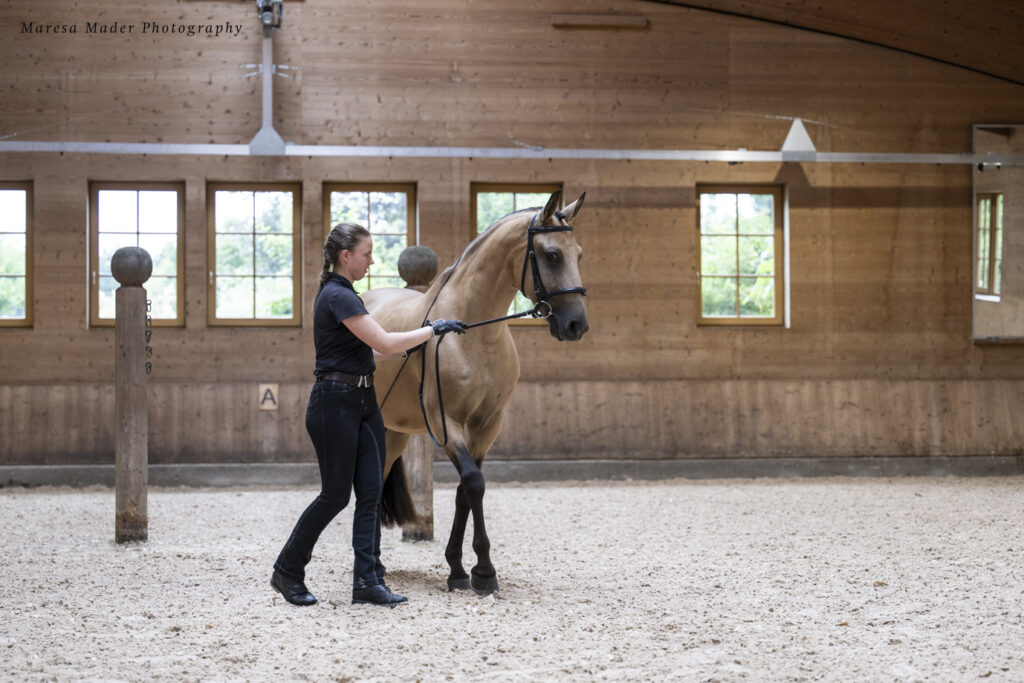
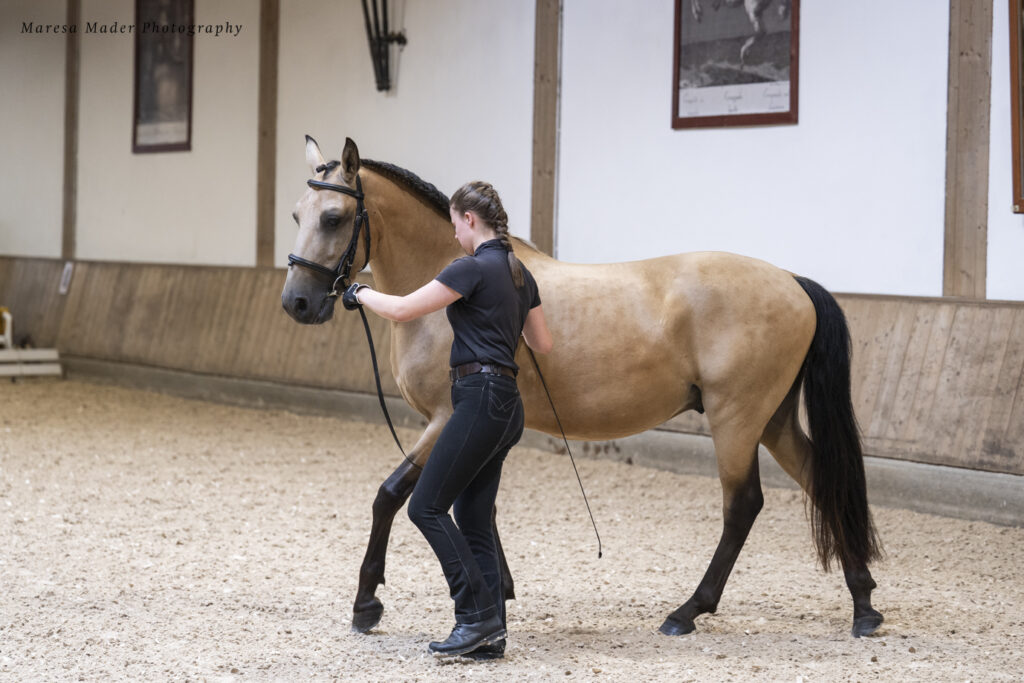
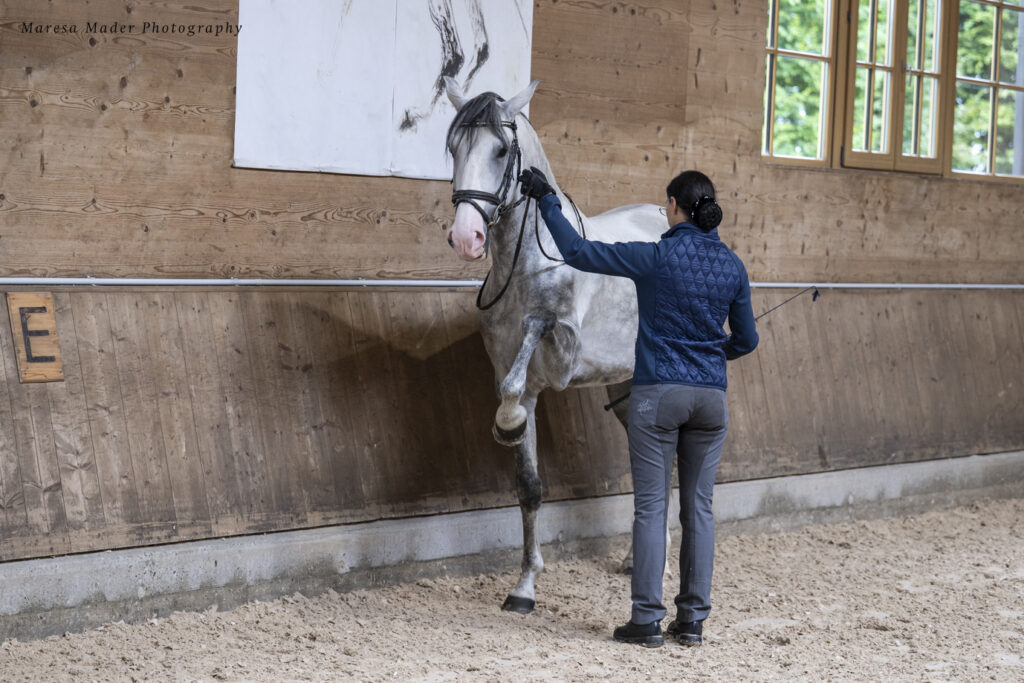
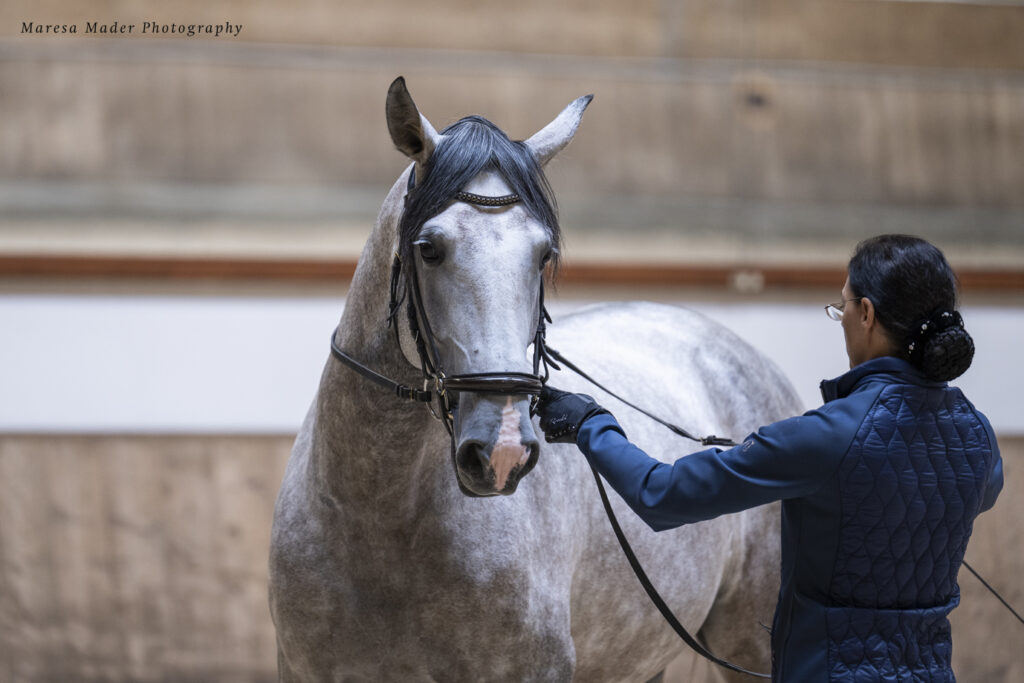
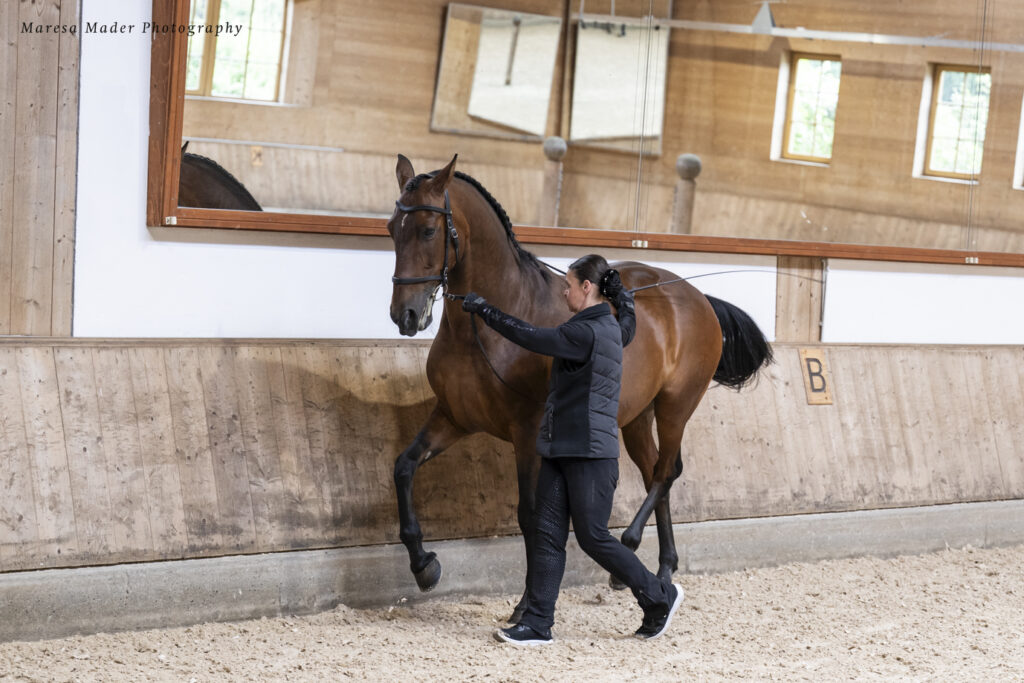
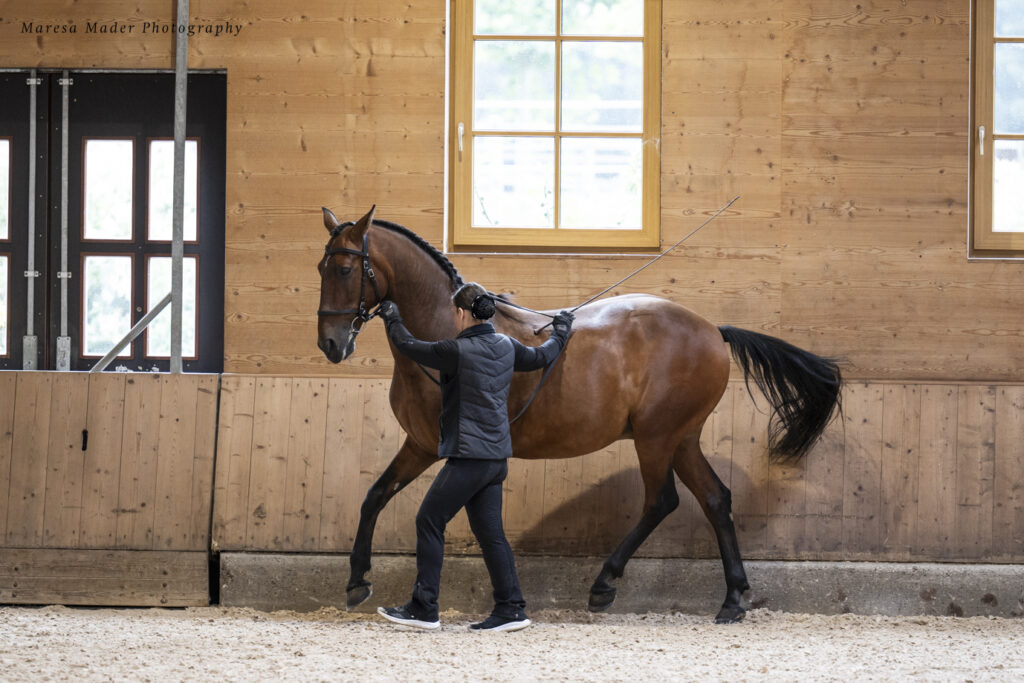
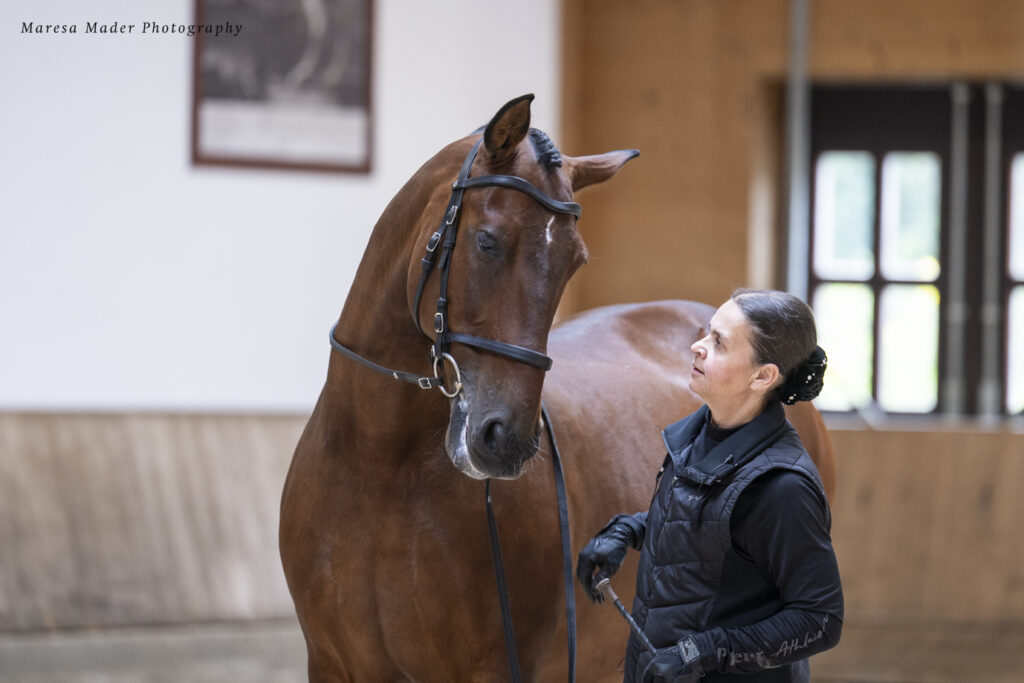
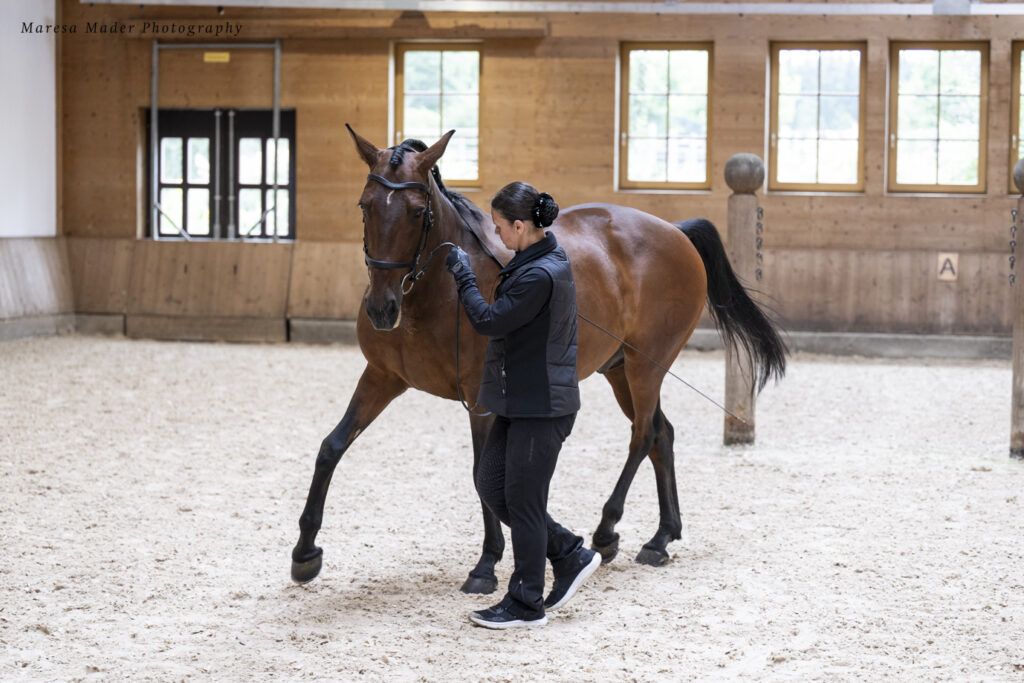
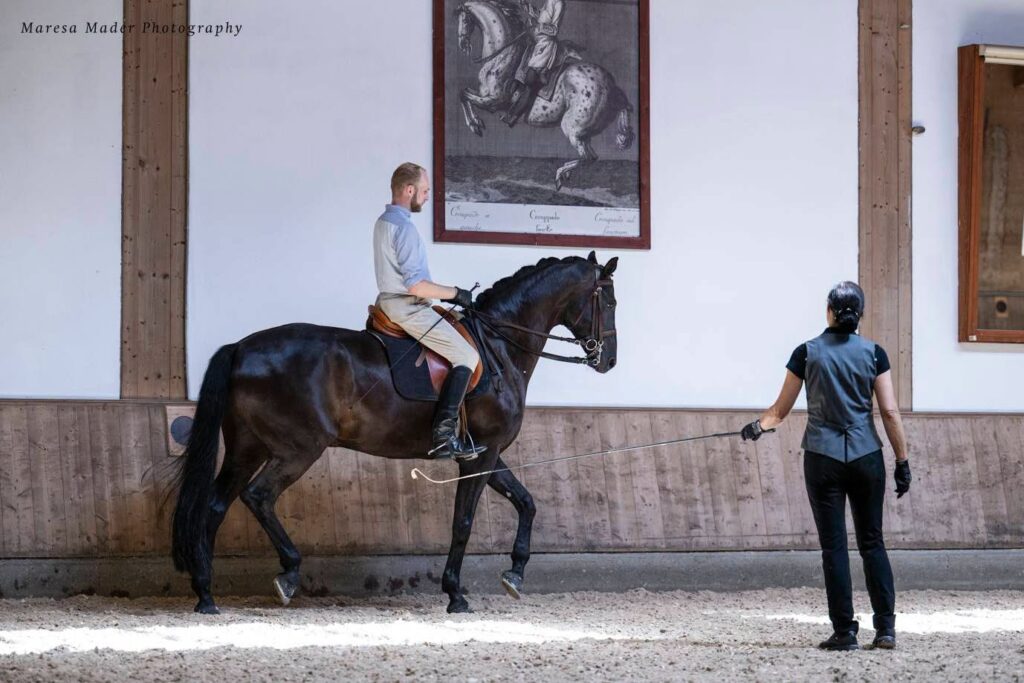
Naturally, in-hand work was an essential part of our international workshop! Annika Seguin, Claudia Michaljuk, and Anja Beran impressively demonstrated the diverse possibilities offered by this valuable form of gymnastic training—ranging from leg-yielding to piaffe, and from half-pass to passage. This clearly illustrated the versatility and nuance with which a horse can be gymnasticized and developed from the ground.
The day’s topics included:
- What role do circus (trick) exercises play?
- Is in-hand work a must?
- When is it useful?
- Variety in the daily training routine.
Maresa Mader accompanied us during this workshop day and captured many wonderful moments.
Circus tricks
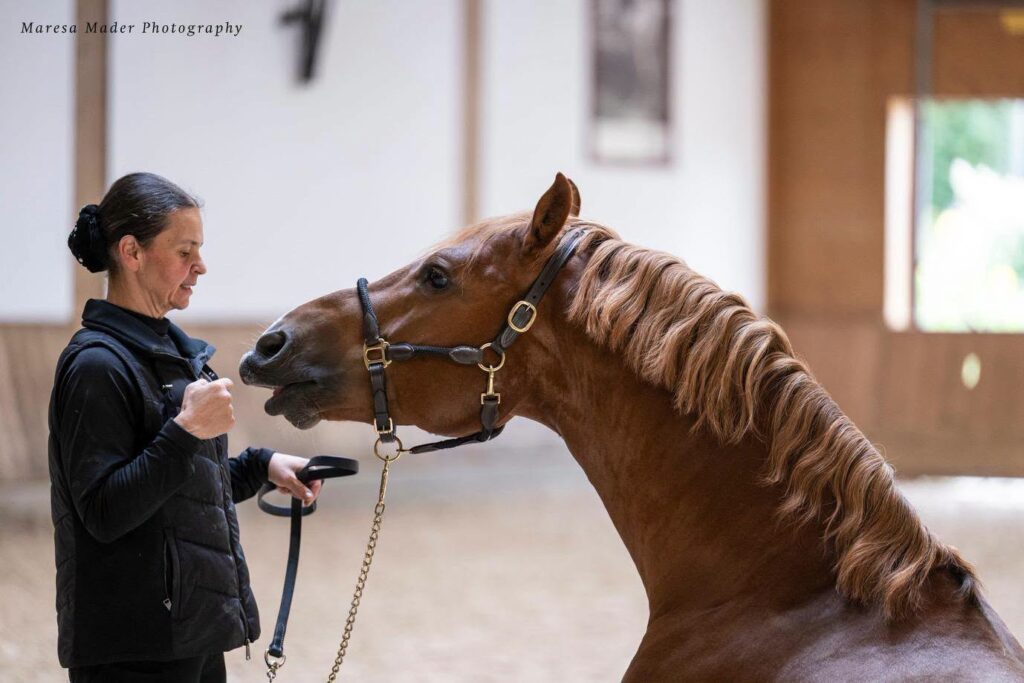
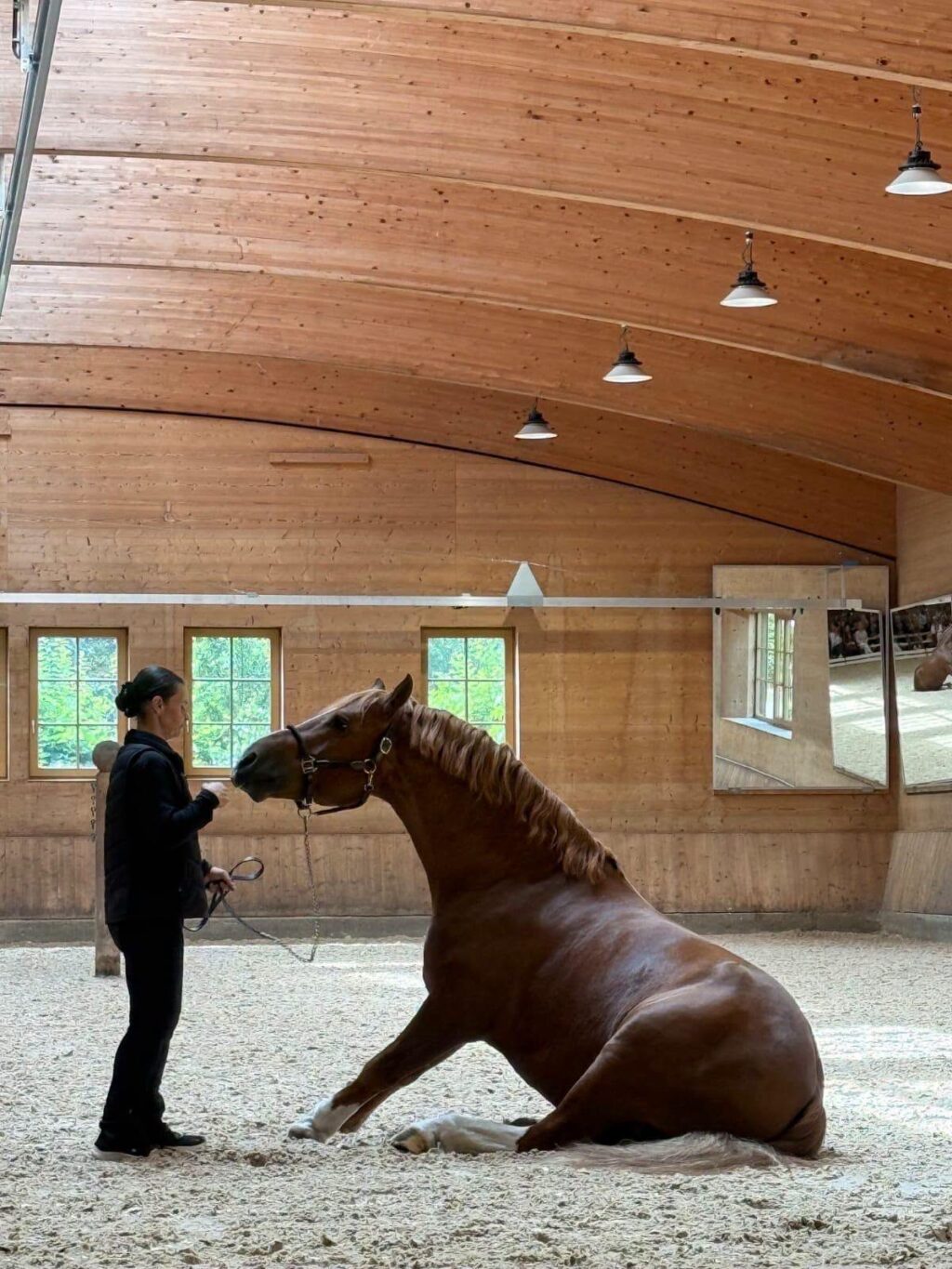
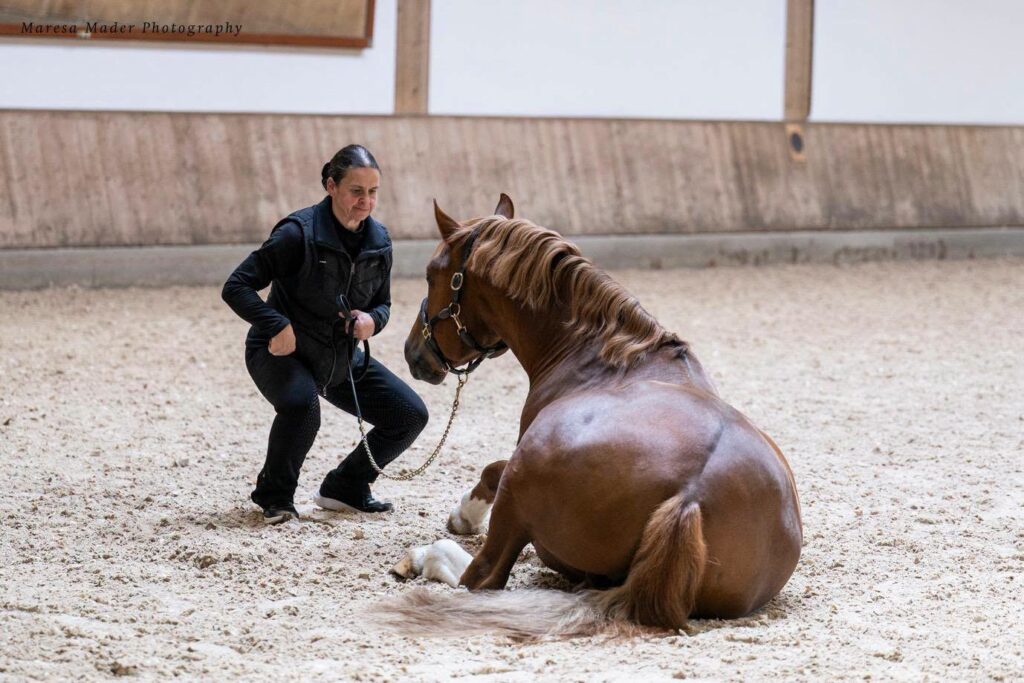
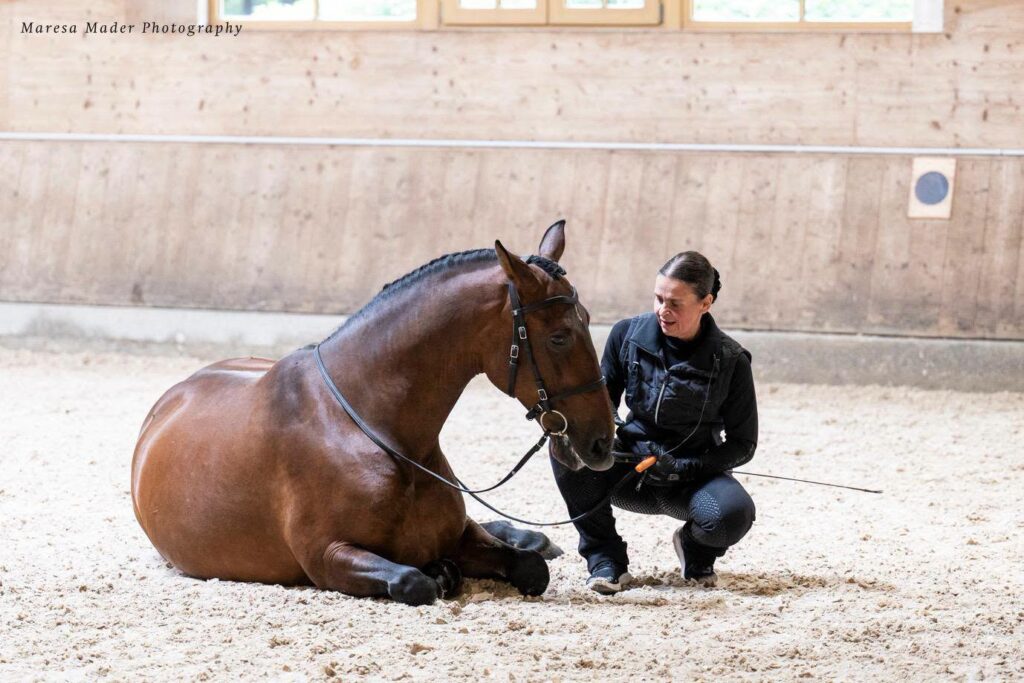
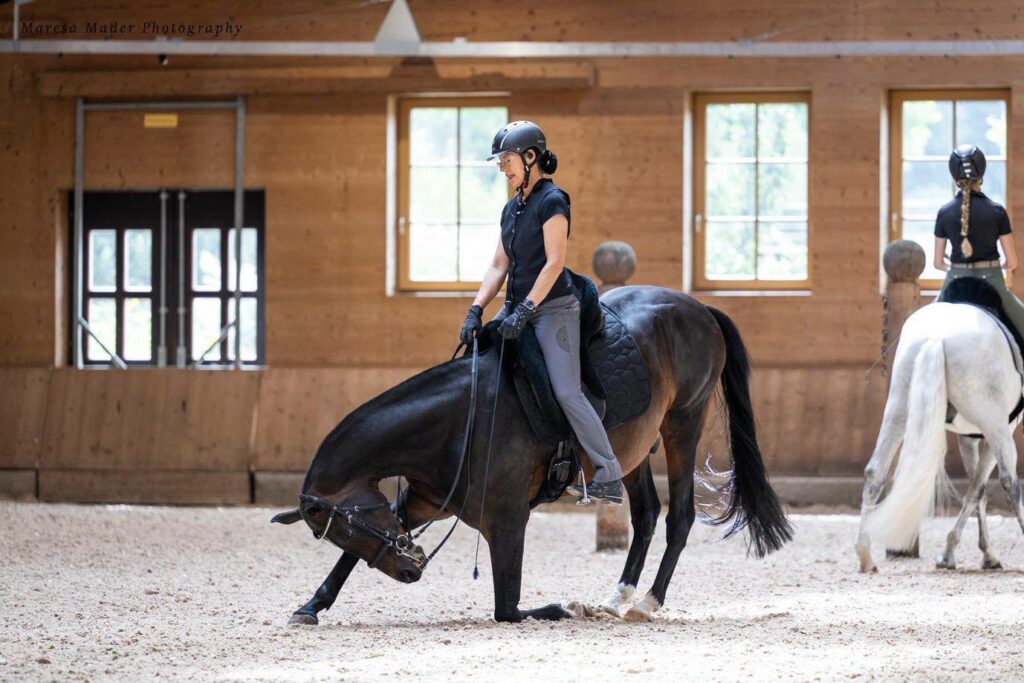
Many of our horses learn to kneel, lie down, or sit on command—depending on what they enjoy and their natural aptitude. These exercises are modeled on natural movements and play a major role in building trust between horse and human.
Volvik, a Freiberger stallion, has discovered a love for sitting; it often takes a bit of persuasion to get him back on his feet once he has settled in comfortably—especially when he is receiving praise and applause for it.
Guest Rider 2026
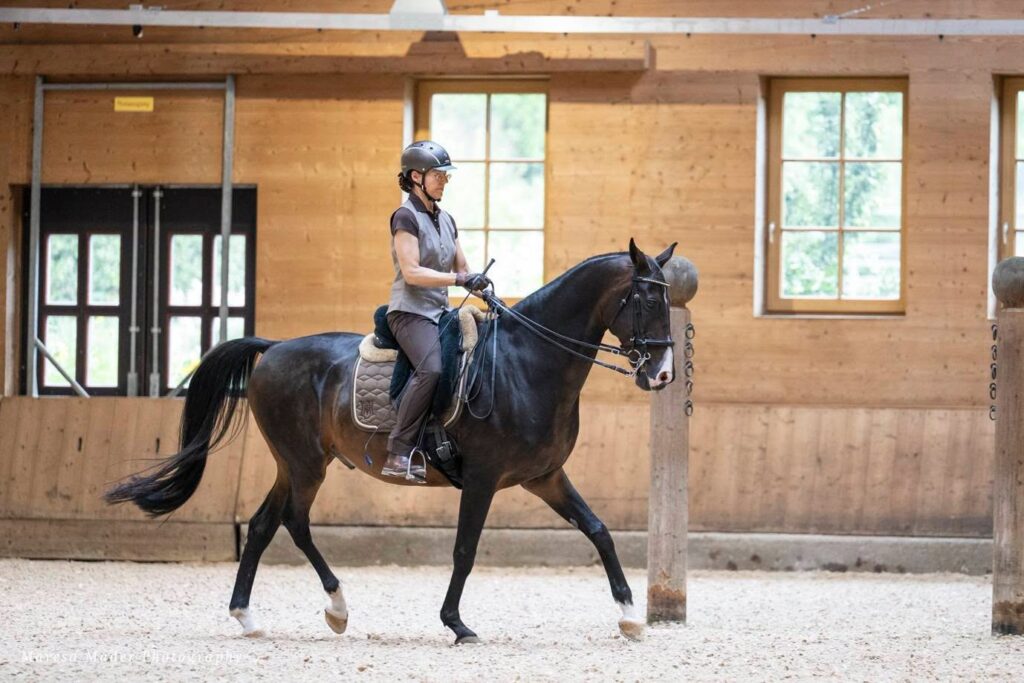
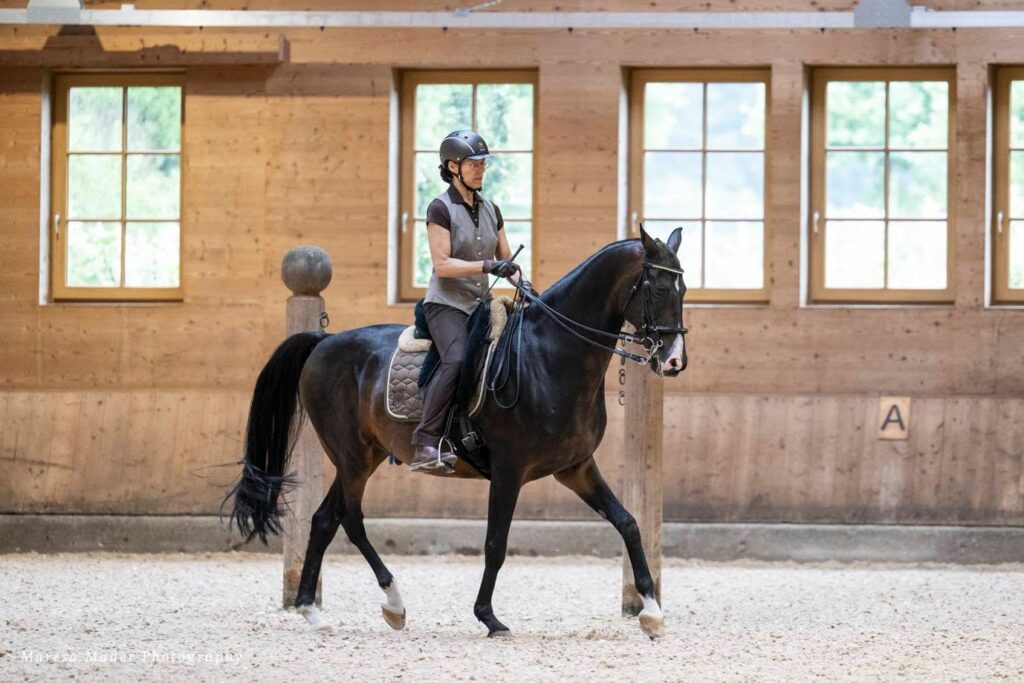
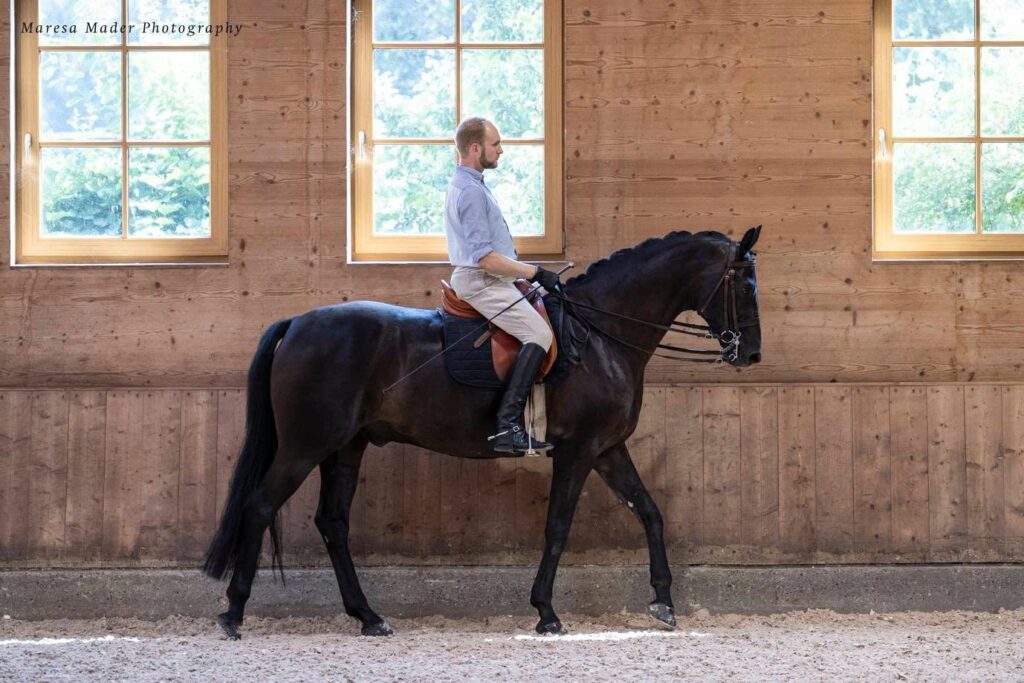
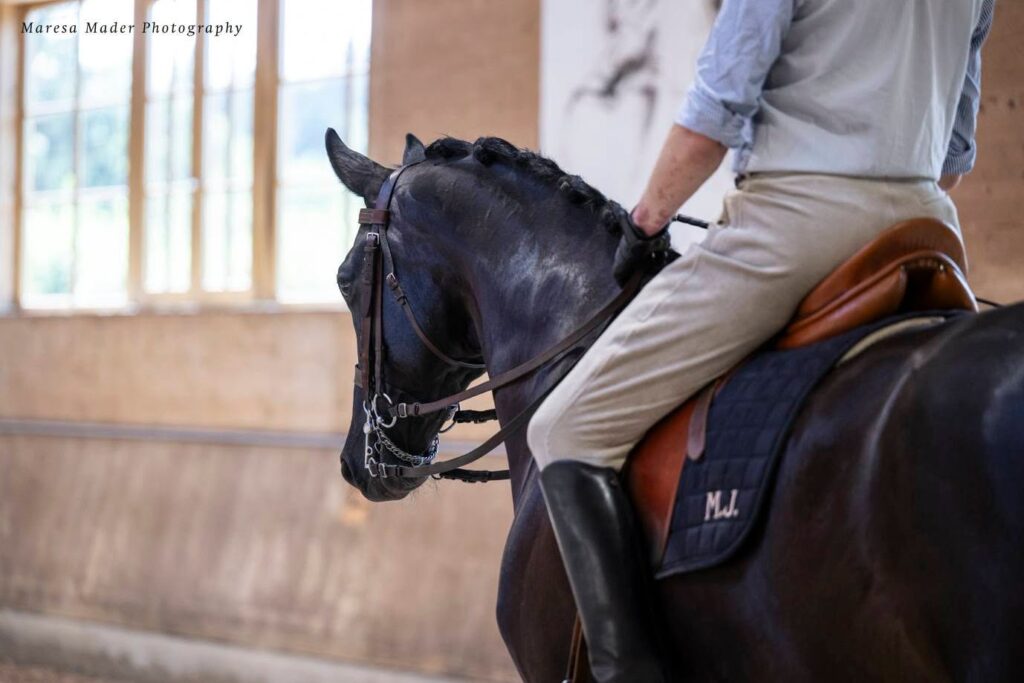
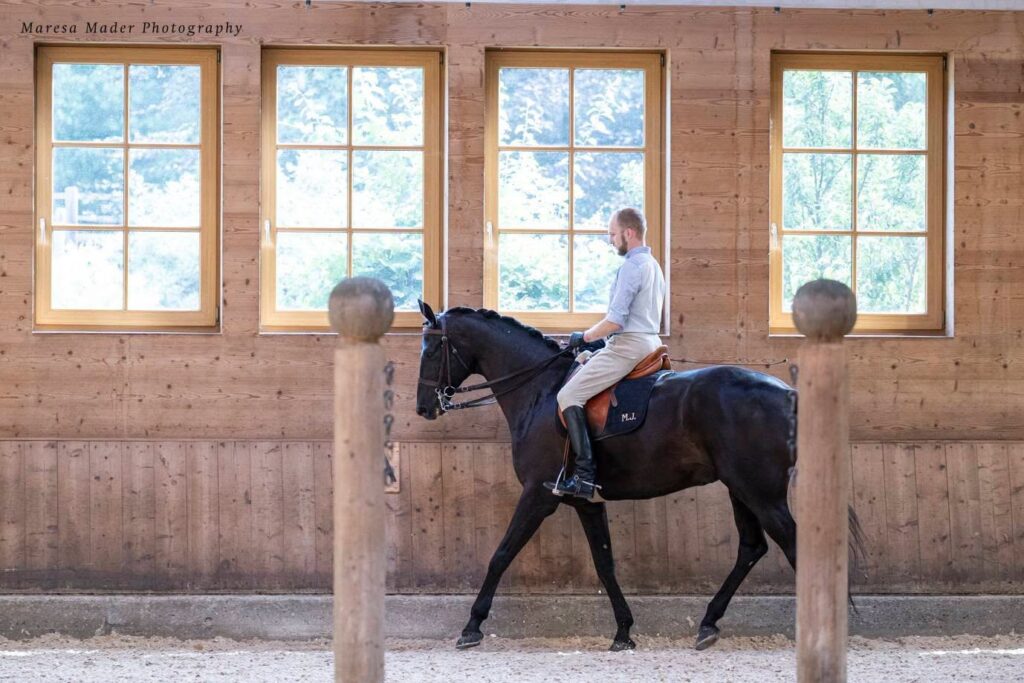
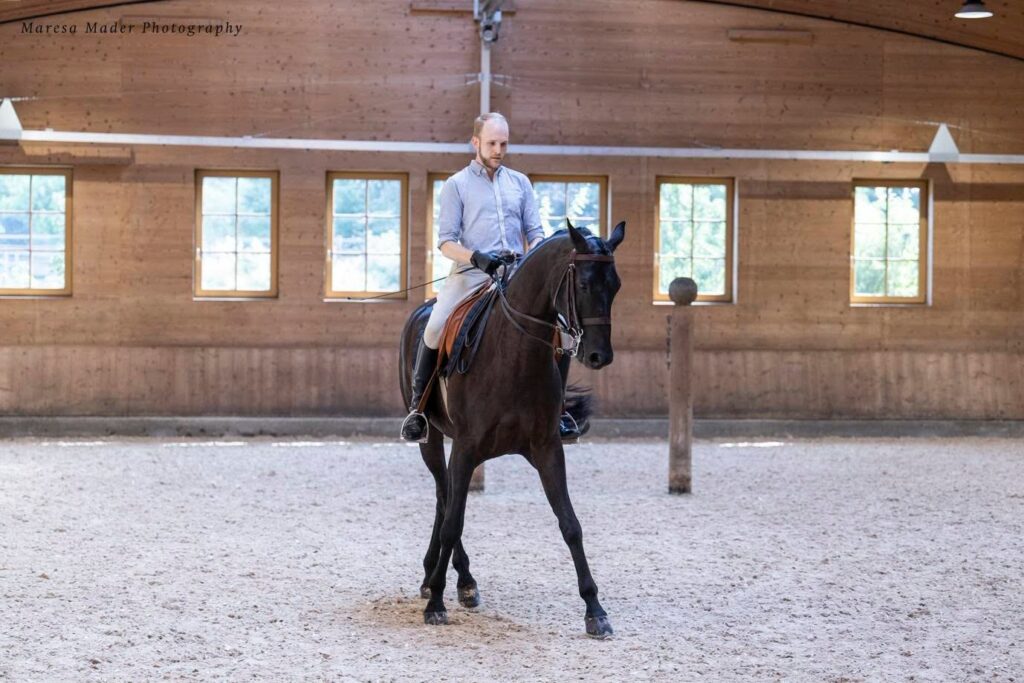
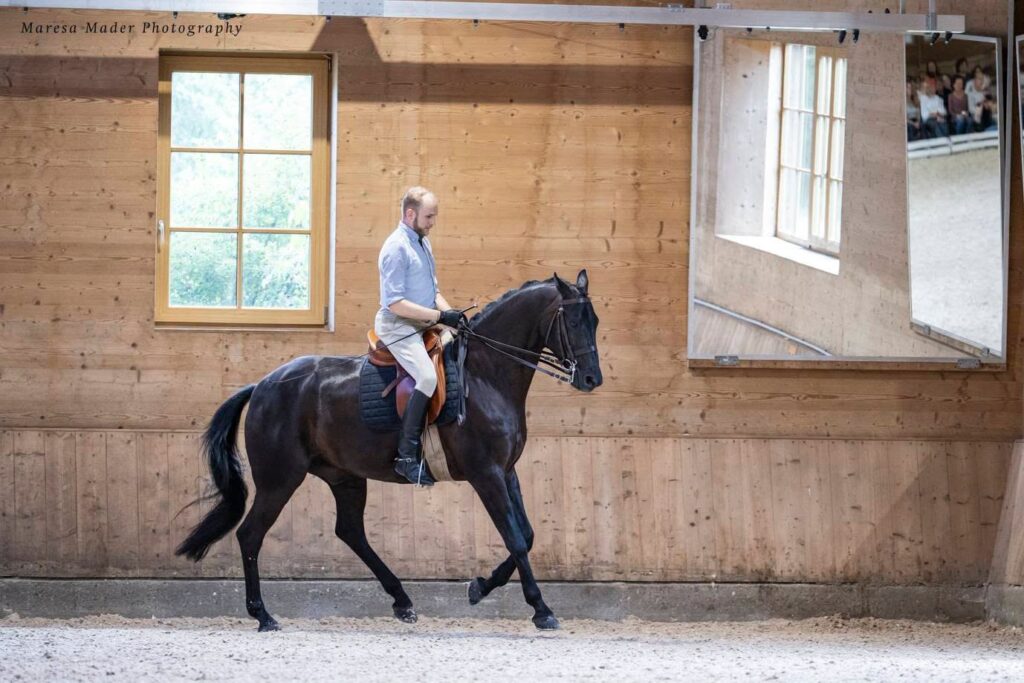
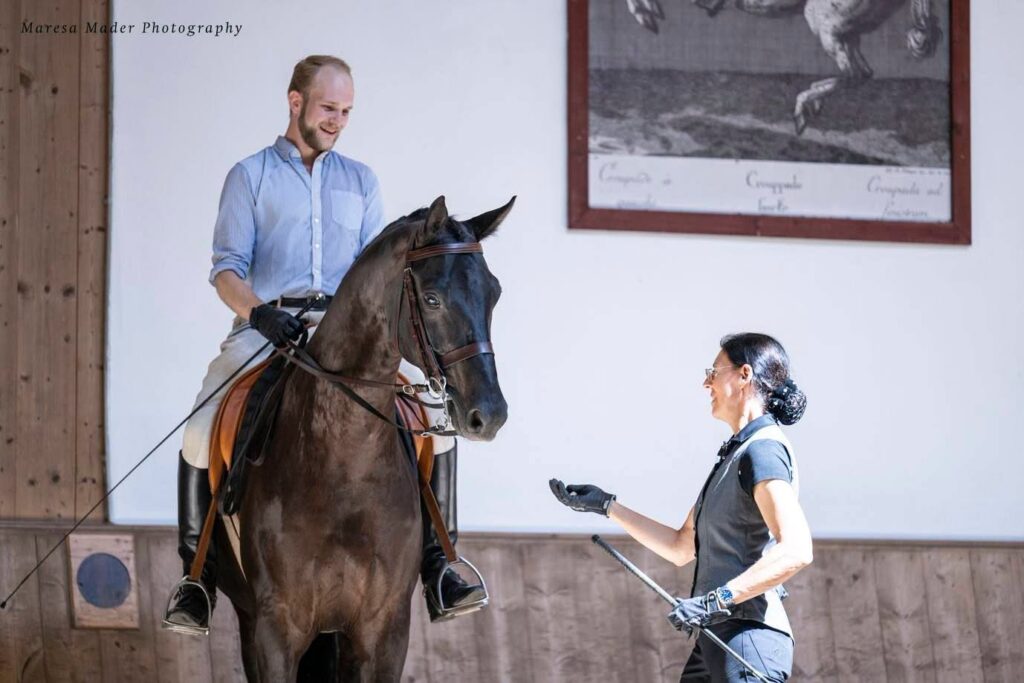
From time to time, we invite a guest rider to our events. These are always individuals who train regularly with Anja and convincingly embody the values and principles of classical dressage. This year, we had the pleasure of welcoming Dr. Max Jaquerod to our international workshop and the subsequent morning training session. Dr. Jaquerod hails from Bern and is the grandson of Pierre Eric Jaquerod, the last head of the Swiss Military Riding School. Although he is “only” a recreational rider himself, he learned horsemanship from the ground up under his grandfather’s tutelage. Together, they trained Fantastico, a gelding he was able to acquire from the Swiss Army. Eventually, he connected with Anja Beran and came to Rosenhof for further training. It quickly became apparent that the principles his grandfather had instilled in him aligned perfectly with those guiding the daily work here: expansion of the frame, the poll as the highest point, meticulous work at the walk, and the nose at or in front of the vertical—classical dressage, pure and simple! Since then, we have shared a fruitful and enriching exchange—fully aware that such opportunities are becoming increasingly rare. This makes it all the more important to preserve, pass on, and bring to life this inherited knowledge. For classical horsemanship is a valuable cultural asset that must not be lost.
A Tribute to Nuno Oliveira!
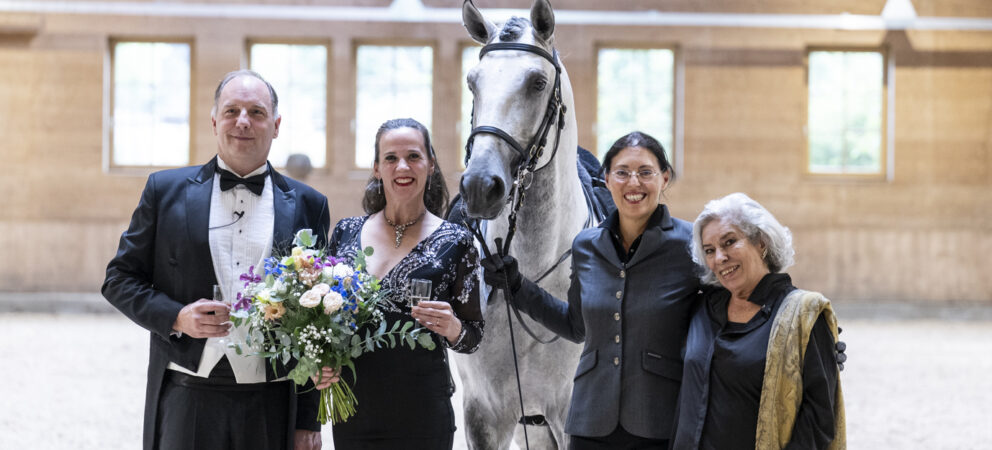
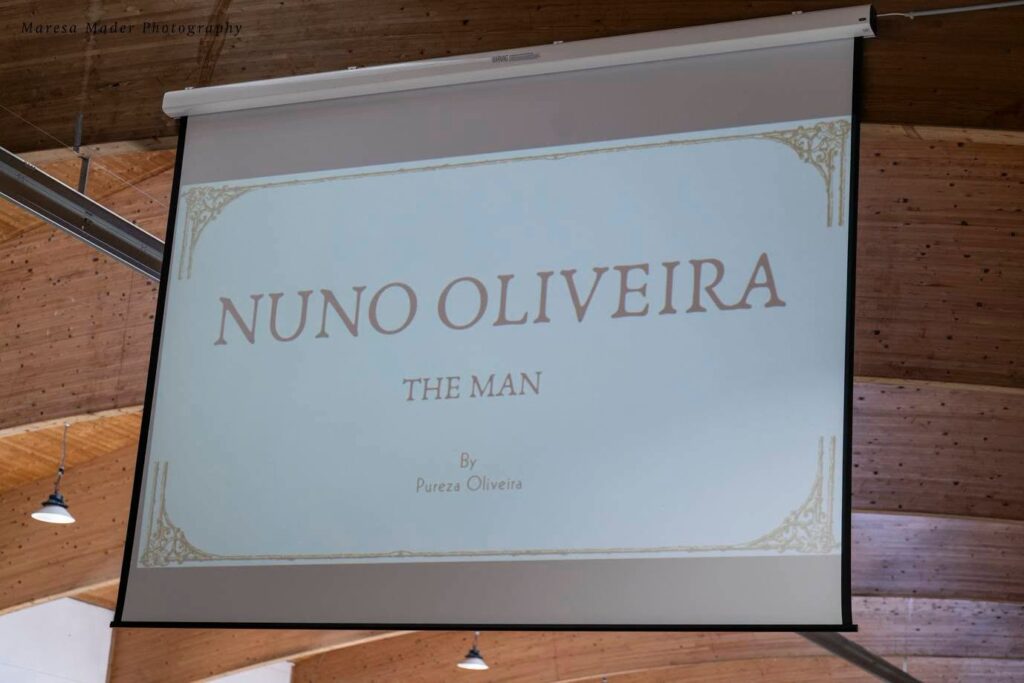
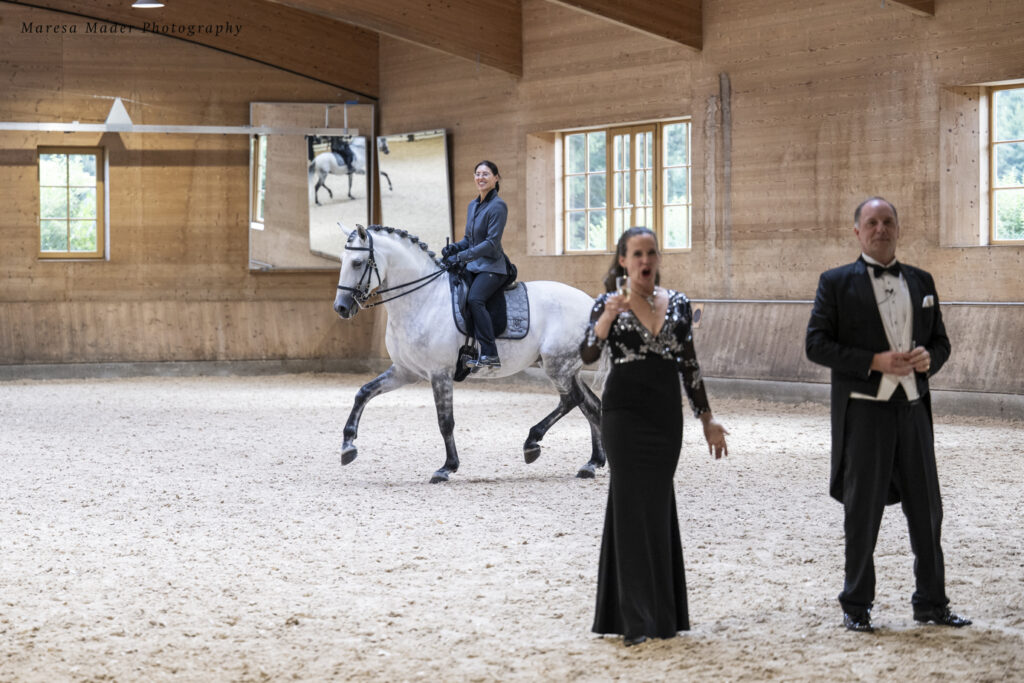
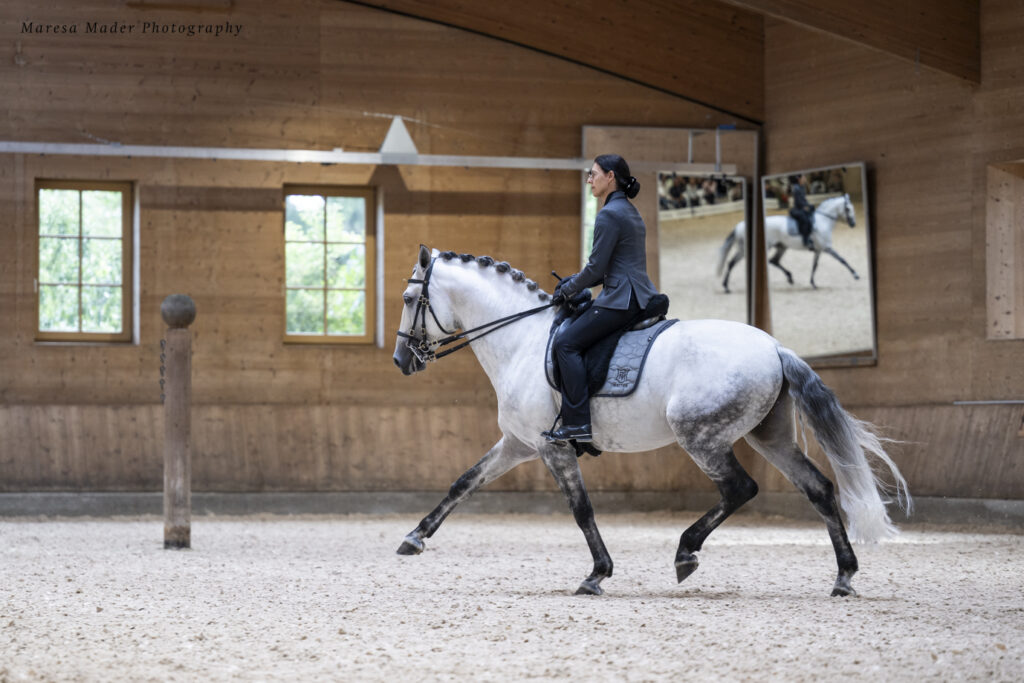
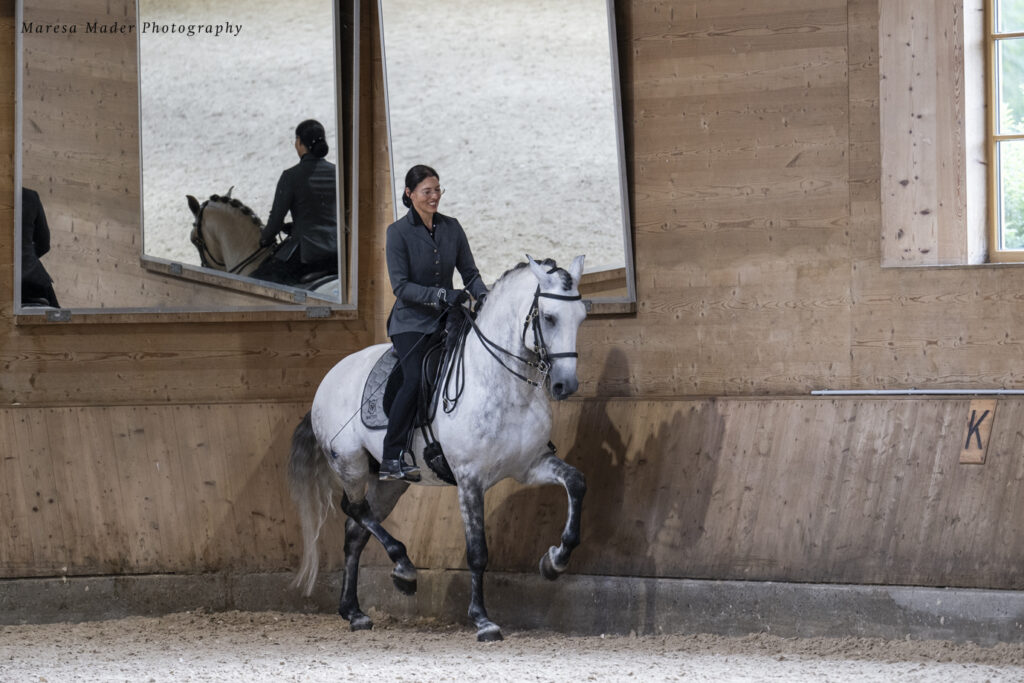
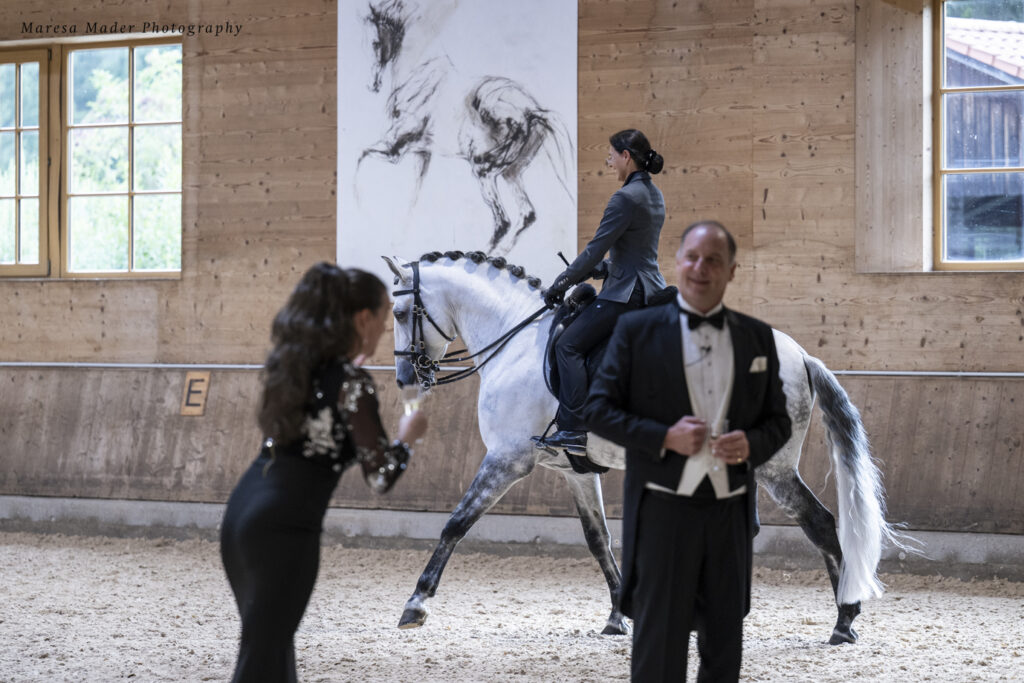
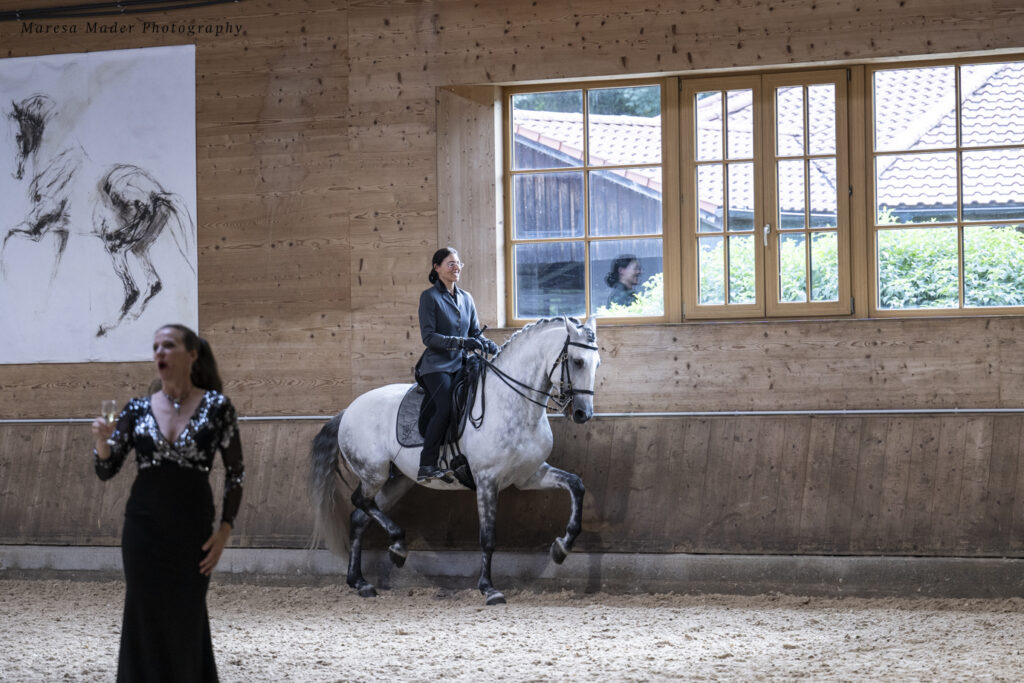
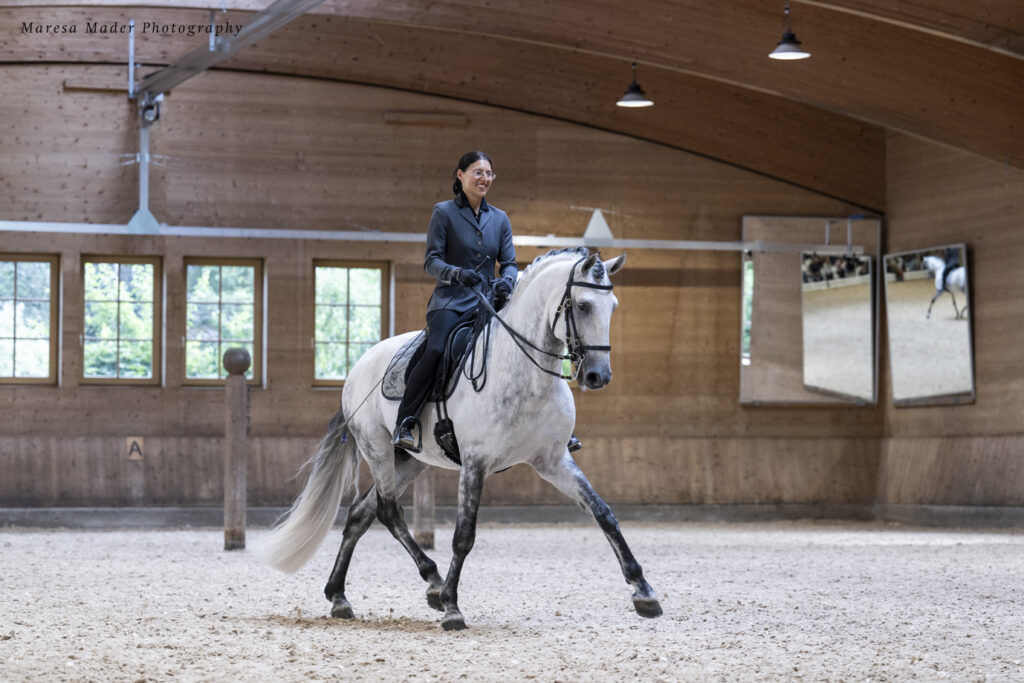
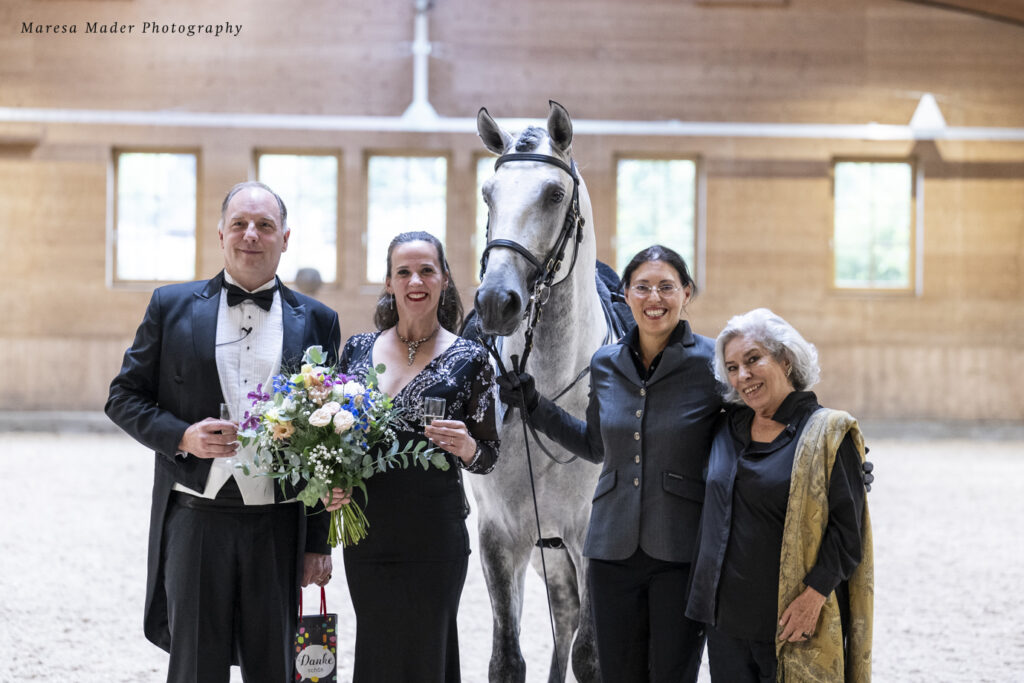
A truly special evening took place at Gut Rosenhof as part of the international workshop! Anja Beran had the honor of welcoming Pureza Oliveira, daughter of the Portuguese riding master Nuno Oliveira—what an honor it was! Pureza began by giving a presentation about her father, highlighting key milestones in his life. Nuno Oliveira loved the music of Verdi, so the indoor arena was subsequently transformed into an opera hall; a female vocalist and a tenor gave a magnificent performance while Anja Beran presented the Lusitano stallion Osama. It was an unforgettable moment that gave everyone goosebumps and even moved most of the guests to tears—pure emotion! Thank you to Pureza Oliveira, Nicole Ciroth, and Timo Pfeffer!




Day 5
Coming soon…
The day’s topics included:
- The horse ridden forward and upward – collection achieved in a natural way as the result of good gymnastics!
- Our horse’s personality has now fully matured and is coming to the surface. Hopefully, it is proud, beautiful, and full of self-confidence.
Maresa Mader accompanied us during this workshop day and captured many wonderful moments.